
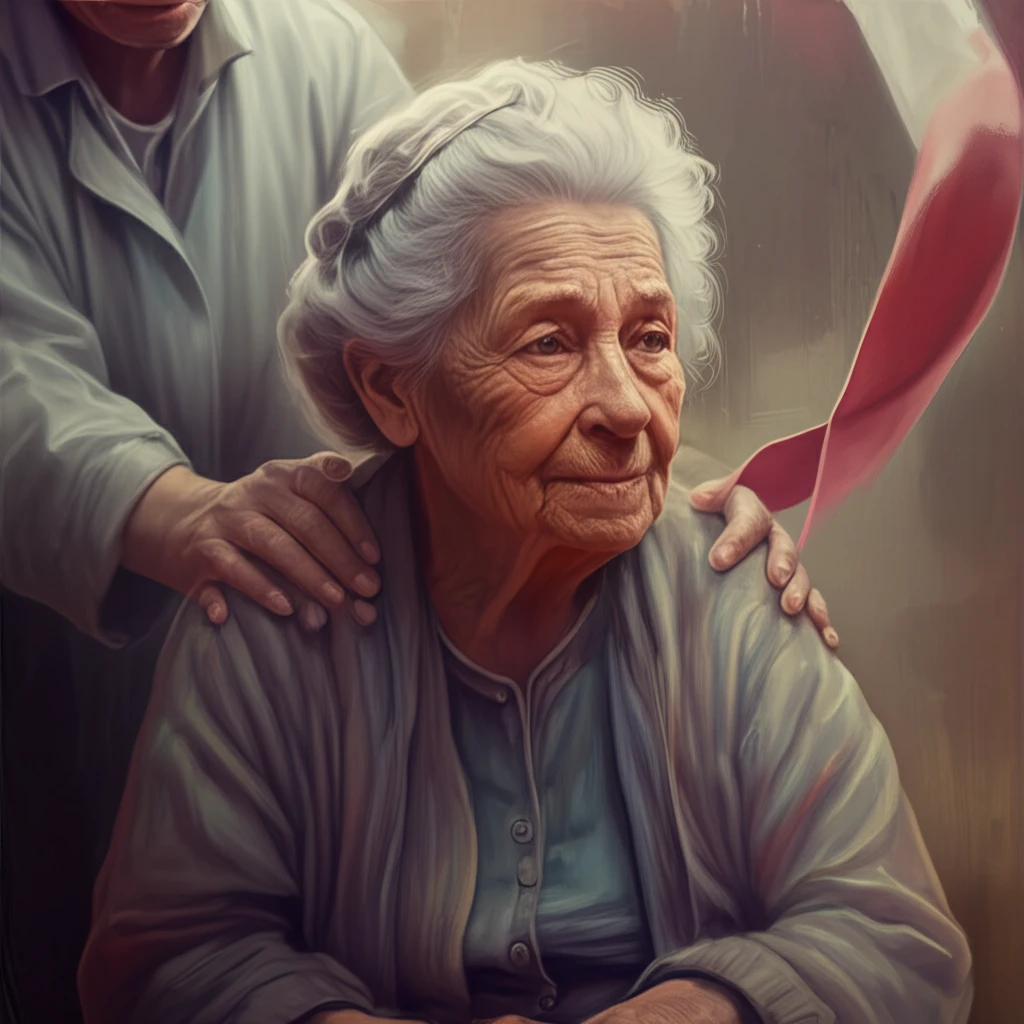
Aging and AIDS: Understanding the Rising HIV Rates in Older Women

"Explore the unique challenges and epidemiological trends of HIV/AIDS among women over 60, and what can be done to address this growing concern."
The global population is aging, and with increased longevity comes new challenges in healthcare. One such challenge is the rising incidence of HIV/AIDS among older adults, particularly women. Once largely overlooked, this demographic is now facing unique vulnerabilities that demand attention and tailored interventions.
In Brazil, as in many parts of the world, the aging population is growing rapidly. This demographic shift presents both opportunities and challenges for public health. While increased longevity is a testament to advancements in healthcare and living conditions, it also brings forth new complexities in managing chronic diseases and infectious conditions like HIV/AIDS.
This article explores the epidemiological profile of HIV/AIDS in women aged 60 and over, drawing on a study conducted at a university hospital in Rio de Janeiro. By examining the factors contributing to the spread of HIV among older women, we can better understand how to address this growing concern and provide effective support to those affected.
Why Are HIV Rates Rising Among Older Women?
Several factors contribute to the increasing rates of HIV/AIDS among older women. These include:
- Lack of Awareness: Many older adults are not well-informed about HIV/AIDS, its transmission, and prevention methods.
- Changing Relationship Dynamics: As women age, they may experience changes in their relationship status, such as divorce or widowhood, leading to new sexual partnerships.
- Physiological Changes: Age-related physiological changes can increase vulnerability to HIV infection. For example, vaginal dryness can lead to tears during intercourse, increasing the risk of transmission.
- Social Stigma: The stigma associated with HIV/AIDS can prevent older adults from seeking testing and treatment.
Taking Action: Addressing the Needs of Aging Women with HIV
Addressing the rising rates of HIV/AIDS among older women requires a multi-faceted approach that includes increased awareness, targeted prevention efforts, and improved access to care and support. By recognizing the unique vulnerabilities of this population and tailoring interventions to meet their specific needs, we can work towards reducing the impact of HIV/AIDS on older women and promoting healthy aging for all.