
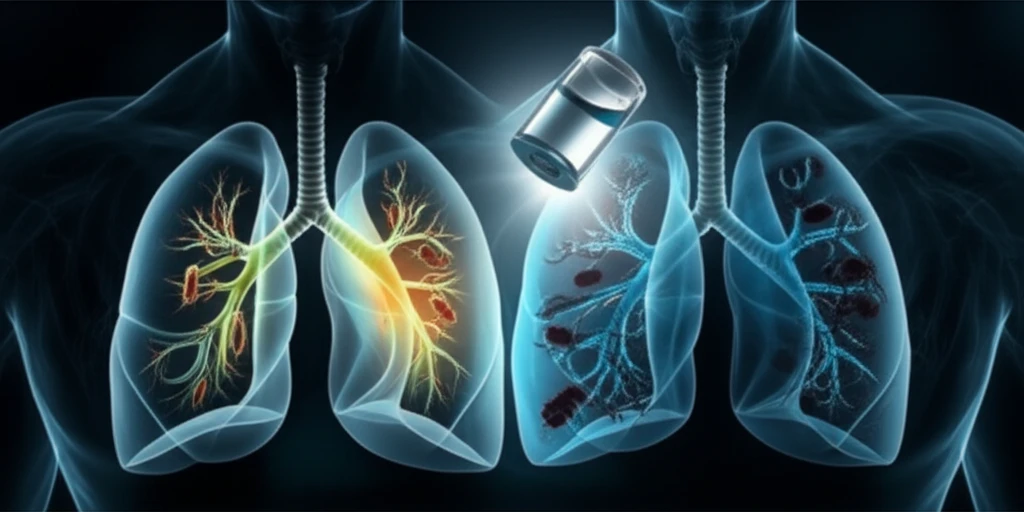
Adults and Pneumonia: What You Need to Know About the Changing Risks

"New research from Japan reveals how childhood vaccinations are impacting adult pneumonia risks, highlighting emerging threats and the importance of adult vaccinations."
Pneumonia poses a significant health threat to adults, especially those over 65 or with underlying health conditions. While effective treatments exist, the bacteria Streptococcus pneumoniae, a major cause of invasive pneumococcal diseases (IPDs), is constantly evolving. This evolution, spurred by factors like antibiotic use and widespread vaccination programs, necessitates continuous monitoring and adaptation of preventative strategies.
In Japan, the introduction of the 7-valent pneumococcal conjugate vaccine (PCV7) for children in 2010 marked a turning point in the fight against pneumonia. Subsequent changes in vaccination schedules, including the shift to PCV13, have had a cascading effect on the types of pneumococcal bacteria circulating and their resistance to drugs. Understanding these shifts is critical for protecting adult populations.
Recent research closely examined these changes, analyzing data collected from adult IPD cases in Japan between 2010 and 2013. The findings reveal a complex picture of how childhood vaccination programs are indirectly influencing adult health, with some positive outcomes alongside the emergence of new challenges.
The Impact of Childhood Vaccinations on Adult Pneumonia: A Shifting Landscape
The study revealed a notable decrease in the prevalence of PCV7 serotypes among adults with IPDs, dropping from 43.3% to 23.8%. This decline was most significant for serotype 6B, a strain targeted by the vaccine. Similarly, there was a reduction in serotypes covered by the 23-valent pneumococcal polysaccharide vaccine (PPSV23), which is commonly recommended for older adults.
- Decreased PCV7 serotypes: Good news, showing the vaccines are working.
- Rise of non-PPSV23 serotypes: A concerning trend, demanding attention.
- Emergence of drug-resistant strains: Making treatment more difficult.
Protecting Yourself: What These Findings Mean for Adults
The Japanese study underscores the dynamic nature of pneumonia-causing bacteria and the indirect yet significant impact of childhood vaccination programs on adult health. While PCV7 and PCV13 vaccines have proven effective in reducing the overall burden of IPDs, the emergence of non-vaccine serotypes and drug-resistant strains requires a proactive approach to adult health.
Adults, especially those 65 and older or with underlying health conditions, should discuss vaccination options with their healthcare providers. While PPSV23 offers broad coverage against many pneumococcal serotypes, it may not be effective against the emerging non-vaccine types. The potential benefits of PCV13 for adults should also be considered, particularly for those at higher risk of IPDs.
Continued surveillance and research are crucial for monitoring serotype changes and resistance patterns in S. pneumoniae. This information will inform future vaccine development and public health strategies aimed at minimizing the impact of pneumonia on adult populations worldwide.