
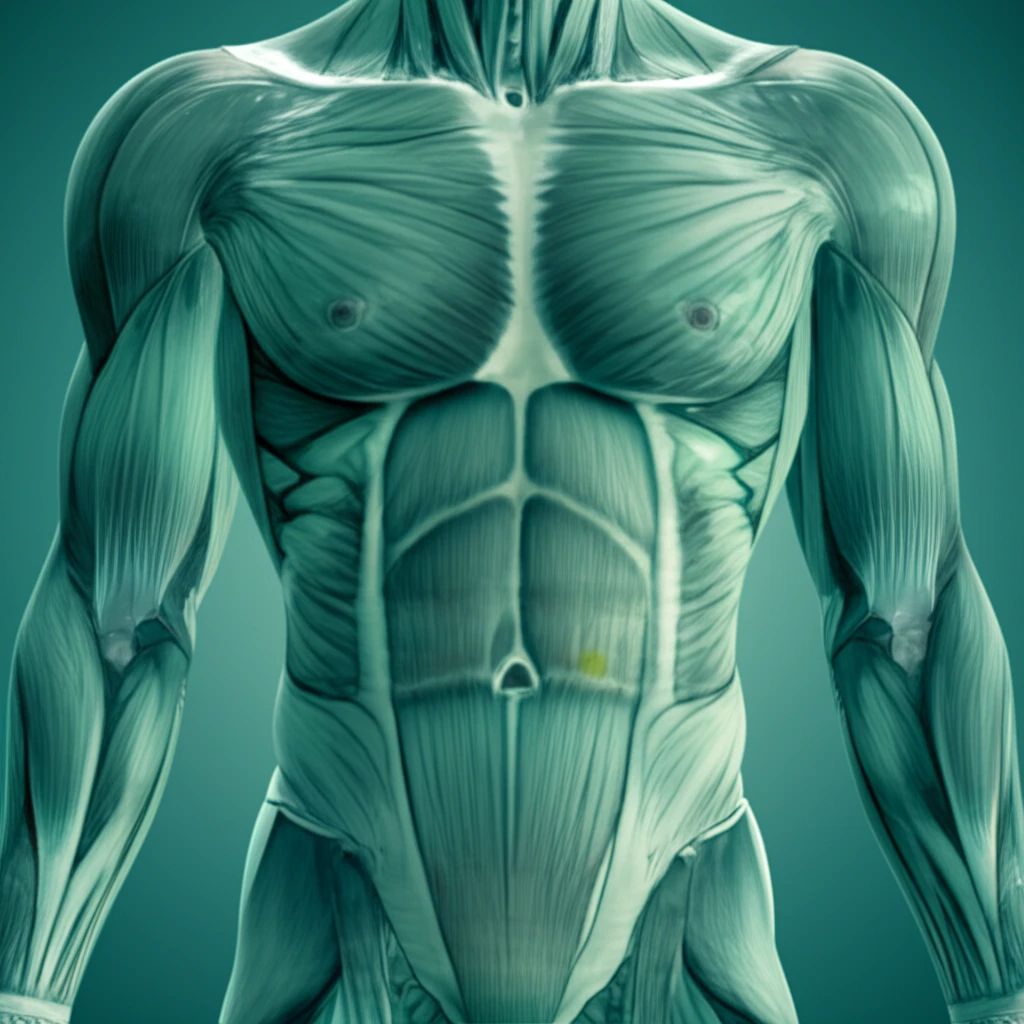
Adrenalectomy's Ripple Effect: Body Composition Changes Unveiled

"A deep dive into how removing adrenal glands can reshape body fat and muscle, offering new paths in treating hypercortisolism."
When the adrenal glands go into overdrive, the result can be a condition known as hypercortisolism – an excess of cortisol that throws the body's systems out of balance. Often marked by weight gain, muscle weakness, and a host of other health issues, managing hypercortisolism is a complex challenge that often leads medical professionals to consider adrenalectomy.
Adrenalectomy, the surgical removal of one or both adrenal glands, aims to address the root of the problem by eliminating the source of excess cortisol. But what happens after the surgery? How does the body's composition—muscle and fat—shift and change? Recent research sheds light on these fascinating transformations, offering insights into how we understand and treat hypercortisolism.
A groundbreaking study has leveraged computed tomography (CT) scans to map the before-and-after landscape of body composition in patients undergoing adrenalectomy. This approach goes beyond simple weight measurements, diving deep into the distribution of visceral fat, muscle mass, and muscle quality, providing a detailed picture of the body's response to this significant surgical intervention.
Decoding CT Scans: What Changes in Muscle and Fat Really Mean?
The study meticulously tracked changes in visceral fat area (VFA), skeletal muscle area (SMA), and skeletal muscle radiodensity (SMD) using CT scans. These measurements offer a comprehensive view, moving beyond just size and delving into the quality of muscle tissue. Analyzing these factors can reveal a lot about a person's overall health and how their body is responding to treatment.
- Visceral Fat (VFA): This is the fat that lurks deep within the abdomen, surrounding vital organs. High levels of visceral fat are linked to increased health risks.
- Skeletal Muscle Area (SMA): Reflects the quantity of muscle tissue. Maintaining adequate muscle mass is crucial for strength, mobility, and metabolic health.
- Skeletal Muscle Radiodensity (SMD): A measure of muscle quality. Higher SMD indicates less fat within the muscle tissue, reflecting better muscle health and function.
A New Horizon for Personalized Treatment Strategies
This research underscores the potential of CT-based body composition analysis as a valuable tool in managing hypercortisolism. By providing a detailed view of how individual patients respond to adrenalectomy, these scans can help doctors tailor treatment plans, predict outcomes, and optimize care for those undergoing this transformative surgery. As research continues, these insights pave the way for more precise and effective interventions, empowering patients on their journey to restored health and well-being.