
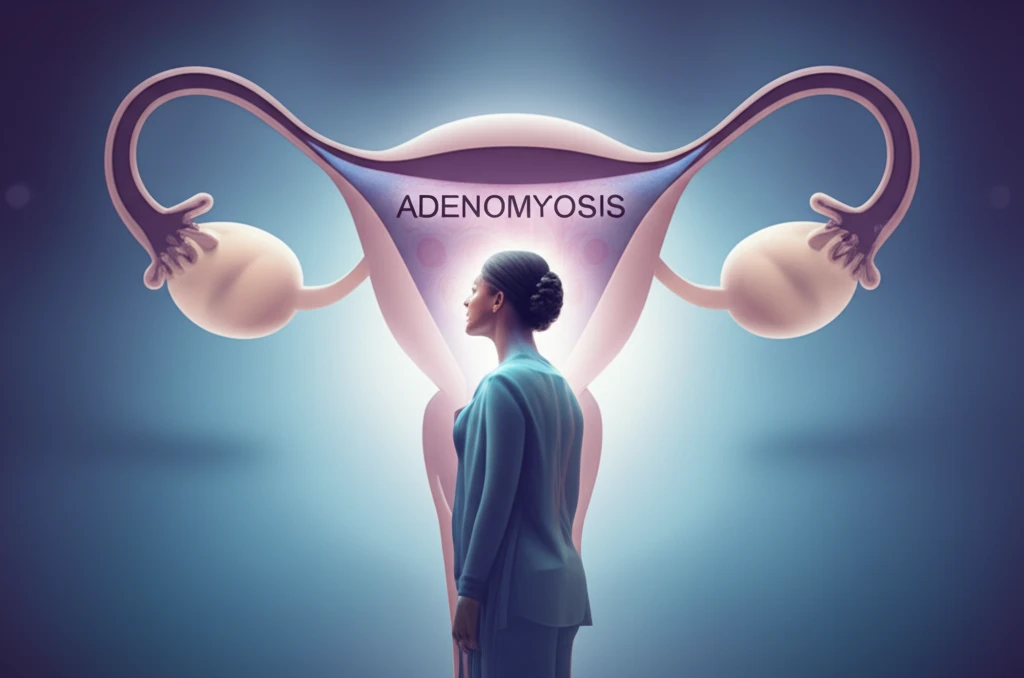
Adenomyosis: Unveiling the Silent Suffering and Promising New Paths to Relief

"Understanding the Hidden Enemy Within: A Comprehensive Guide to Diagnosis, Symptoms, and Cutting-Edge Treatments for Adenomyosis"
Imagine a world where a common yet often misdiagnosed condition inflicts relentless pain and disrupts the lives of millions. This is the reality for many women grappling with adenomyosis, a condition where the uterine lining's tissue grows into the muscular wall of the uterus. Unlike endometriosis, which often receives more public attention, adenomyosis can be a silent adversary, causing immense suffering without clear explanations or readily available solutions.
Adenomyosis is characterized by the presence of endometrial glands and stroma within the myometrium, leading to inflammation, pain, and heavy bleeding. While the exact cause remains elusive, its impact is undeniable. This article aims to shed light on this often-overlooked condition, providing a comprehensive overview of its causes, symptoms, diagnostic methods, and available treatment options.
We will explore the latest research, cutting-edge diagnostic techniques, and emerging therapies, offering a beacon of hope for those affected. Our goal is to empower you with knowledge, allowing for proactive steps toward diagnosis and effective management strategies. Together, we will navigate the complexities of adenomyosis, paving the way for better understanding, timely intervention, and improved quality of life.
Decoding Adenomyosis: Symptoms, Diagnosis, and the Path to Relief
The journey to understanding adenomyosis begins with recognizing its multifaceted nature. Symptoms can vary widely, from mild discomfort to severe, debilitating pain that significantly impacts daily activities. Common indicators include prolonged, heavy menstrual bleeding (menorrhagia), painful periods (dysmenorrhea), and chronic pelvic pain. Many women also experience painful intercourse (dyspareunia), and some may experience symptoms like bloating, constipation, and other gastrointestinal issues during their periods.
- Transvaginal Ultrasound (TVUS): This is a common first-line imaging tool, providing detailed images of the uterus.
- Magnetic Resonance Imaging (MRI): MRI offers a more detailed view, particularly useful in confirming adenomyosis and assessing its severity.
- Hormonal Treatments: Oral contraceptives, hormonal IUDs, and other hormonal medications can help manage symptoms.
- Pain Management: Over-the-counter and prescription pain relievers can provide relief from pain.
- Uterine Artery Embolization (UAE): A minimally invasive procedure that blocks blood flow to the adenomyosis tissue, shrinking the lesions and alleviating symptoms.
- Hysterectomy: This is a surgical option, a definitive treatment. It's reserved for severe cases when other treatments have been ineffective or when the patient has completed childbearing.
- Emerging Therapies: Research is ongoing for innovative treatments, including new medications and minimally invasive surgical techniques.
Empowerment Through Knowledge: Your Journey Forward
Adenomyosis is a challenging condition, but it doesn't have to define your life. By increasing awareness, early diagnosis, and effective management strategies, women with adenomyosis can regain control of their health and well-being. Embrace the knowledge shared in this article and take proactive steps to discuss your concerns with your healthcare provider. By staying informed and seeking appropriate care, you can move toward a future free from the burden of adenomyosis, reclaiming your life and embracing a brighter tomorrow.