
Acupuncture for Headache Relief: Does It Really Work?

"Exploring the Evidence Behind Acupuncture as a Treatment for Migraines and Tension Headaches"
Headaches, especially migraines and tension-type headaches (TTH), are a widespread problem, impacting countless lives and placing a significant burden on society. If you're among those who experience these debilitating headaches, you know how much they can affect your daily life and overall well-being. While medications are available, many seek alternative, non-pharmacological approaches to manage their pain.
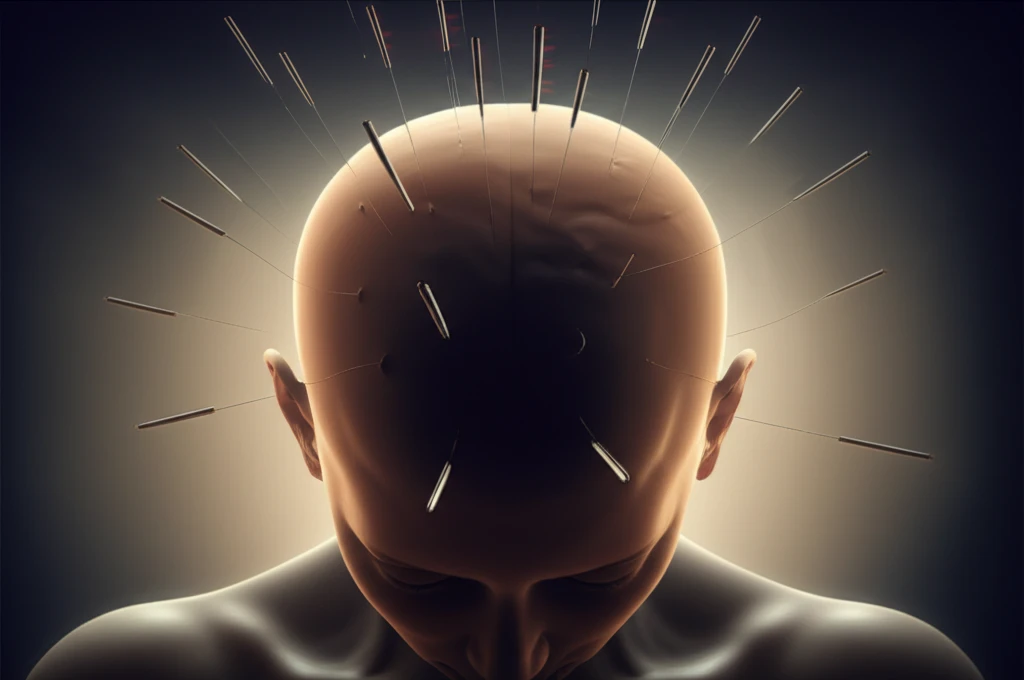
Acupuncture, a traditional Chinese medicine technique, has gained popularity as a potential treatment for headaches. It involves stimulating specific points on the body with thin needles to alleviate pain and promote healing. But does acupuncture truly deliver on its promise of headache relief? The research on its effectiveness is conflicting, leaving many wondering if it's a viable option.
This article aims to clarify the confusion by examining the existing evidence on acupuncture for primary headache disorders, specifically migraines and TTH. We'll explore what the science says about its effectiveness, potential mechanisms, and whether it's a cost-effective solution for long-term headache management. Whether you're curious about trying acupuncture or simply seeking to understand the research, this article will provide a comprehensive overview.
Acupuncture: Unraveling the Science Behind Headache Relief
Acupuncture's origins lie in traditional Chinese medicine, where it's been used for centuries to treat various ailments. Today, it's practiced worldwide, with many seeking it for pain management, including headache relief. Proponents believe acupuncture works by stimulating nerves and muscles, triggering the release of endorphins and other neurohumoral factors that influence pain pathways. It's also thought to have anti-inflammatory effects and may increase levels of neuropeptide Y or endorphins.
- Migraine Studies: While some early studies showed promise, many faced challenges with quality, such as blinding issues and small sample sizes. Larger, more rigorous trials have yielded mixed results, with some finding no significant difference compared to sham acupuncture or only short-term benefits.
- Tension-Type Headache (TTH) Studies: Research on acupuncture for TTH has also been varied. Some studies suggest short-term benefits, but overall, the results remain controversial. A key issue is the difficulty in standardizing acupuncture techniques across trials, making it hard to draw definitive conclusions.
- The Sham Acupuncture Factor: A significant challenge in acupuncture research is the placebo effect. Many trials compare acupuncture to "sham" acupuncture, where needles are inserted at incorrect points or don't penetrate the skin. The fact that patients often experience relief even with sham acupuncture highlights the powerful influence of the mind-body connection in pain management.
The Bottom Line: Is Acupuncture Right for Your Headaches?
Based on the existing evidence, acupuncture may offer some short-term relief for migraines and tension headaches, but the long-term benefits are less clear. The quality of studies varies, and there are challenges in standardizing acupuncture techniques and accounting for the placebo effect. Cost is also a factor, as long-term acupuncture treatment can be expensive.
If you're considering acupuncture for headache relief, it's crucial to discuss it with your doctor or a qualified healthcare professional. They can help you weigh the potential benefits and risks, taking into account your individual circumstances and medical history. You can also consult a licensed and experienced acupuncturist who can assess your condition and develop a personalized treatment plan.
Ultimately, the decision to try acupuncture is a personal one. While the evidence is not definitive, some individuals find it helpful as part of a comprehensive headache management strategy. It's important to have realistic expectations and to combine acupuncture with other approaches, such as lifestyle modifications, stress management techniques, and, if necessary, medication, as advised by your doctor.