
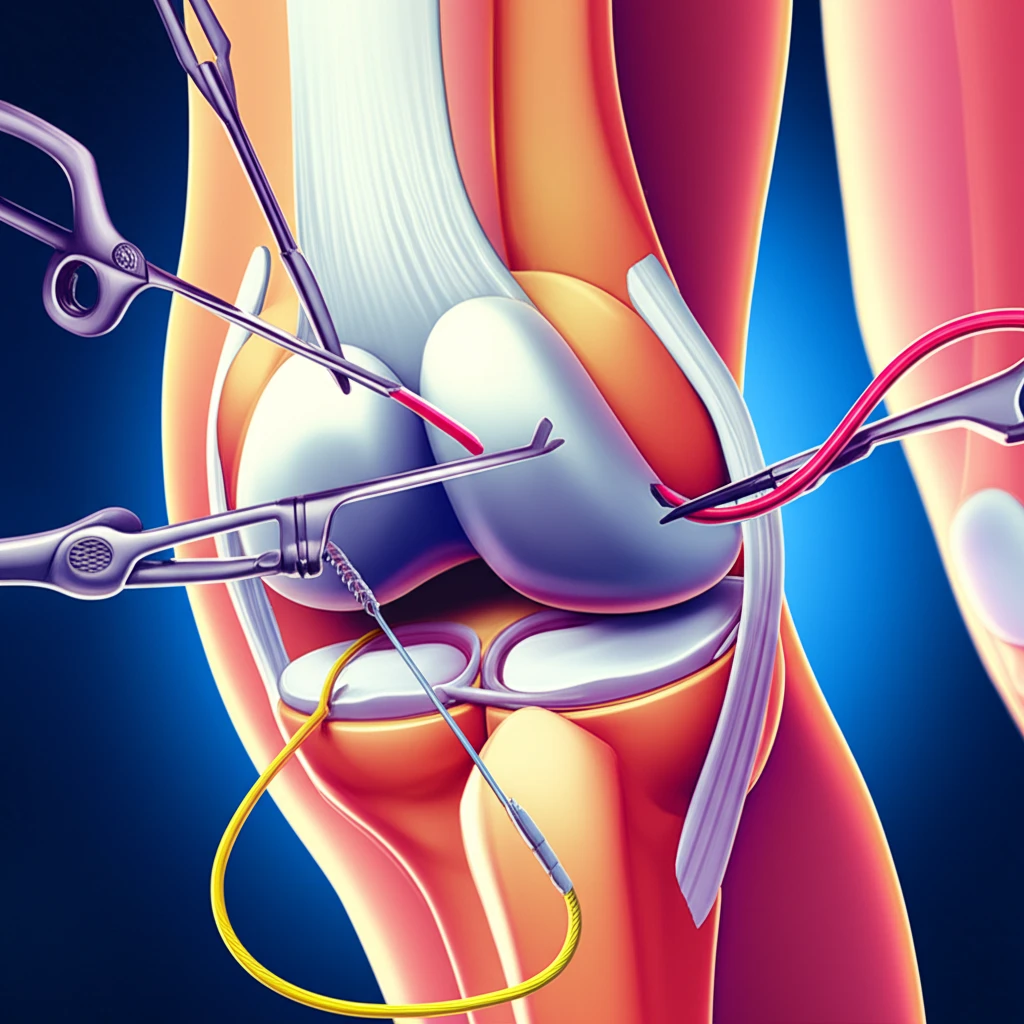
ACL Reconstruction: Is Revision Surgery the Right Choice for You?

"Understanding the Complexities of ACL Injuries and Revision Surgery"
Anterior Cruciate Ligament (ACL) injuries are among the most common and debilitating orthopedic issues, particularly for those involved in sports and high-impact activities. ACL reconstruction surgery is often the go-to solution, but what happens when the initial surgery fails? Revision ACL surgery becomes the next consideration, and understanding this complex topic is crucial for patients, athletes, and anyone seeking to regain knee function.
This article delves into the world of revision ACL surgery, examining the reasons behind failed reconstructions, the advancements in surgical techniques, and the factors influencing outcomes. We aim to provide a comprehensive guide, offering clarity and insight into this critical area of orthopedic care.
Revision ACL surgery is more complex than the initial procedure, with a higher risk of complications and less predictable outcomes. However, with advancements in surgical techniques and a better understanding of the underlying causes of failure, the chances of successful revision surgery have improved significantly. This article examines the current state of revision ACL surgery, providing practical advice and information to help you navigate this challenging journey.
Why Revision ACL Surgery? Unraveling the Causes of Failure
The primary goal of ACL reconstruction is to restore knee stability and function, allowing individuals to return to their desired activities. However, several factors can lead to the failure of the initial surgery, necessitating revision ACL surgery. Understanding these factors is essential to addressing the root cause of the problem and improving outcomes.
- Graft Failure: The ACL graft, whether autograft (tissue from the patient) or allograft (tissue from a donor), can fail due to various reasons, including inadequate healing, graft rupture, or chronic instability.
- Re-injury: A new injury or trauma to the knee after the initial surgery can damage the graft, leading to failure.
- Biomechanical Issues: Factors like malalignment of the lower extremity, excessive tibial slope, or other biomechanical abnormalities can put excessive stress on the ACL graft, increasing the risk of failure.
- Patient-Related Factors: Patient compliance with rehabilitation, return to activity too early, and underlying health conditions, such as obesity or smoking, can affect healing and increase the risk of failure.
- Incomplete Rehabilitation: Insufficient or inadequate rehabilitation following the initial surgery can result in muscle weakness, decreased joint stability, and increased risk of re-injury or graft failure.
Making Informed Decisions About Your Knee Health
Revision ACL surgery can be a challenging journey, but it also offers the potential to regain knee stability and function. By understanding the causes of failure, the advancements in surgical techniques, and the importance of comprehensive rehabilitation, patients can make informed decisions about their knee health. Consulting with an experienced orthopedic surgeon who specializes in revision ACL surgery is crucial to assess the individual situation, develop a personalized treatment plan, and optimize the chances of a successful outcome. With the right approach, individuals can overcome the challenges of ACL reconstruction failure and return to the activities they enjoy.