
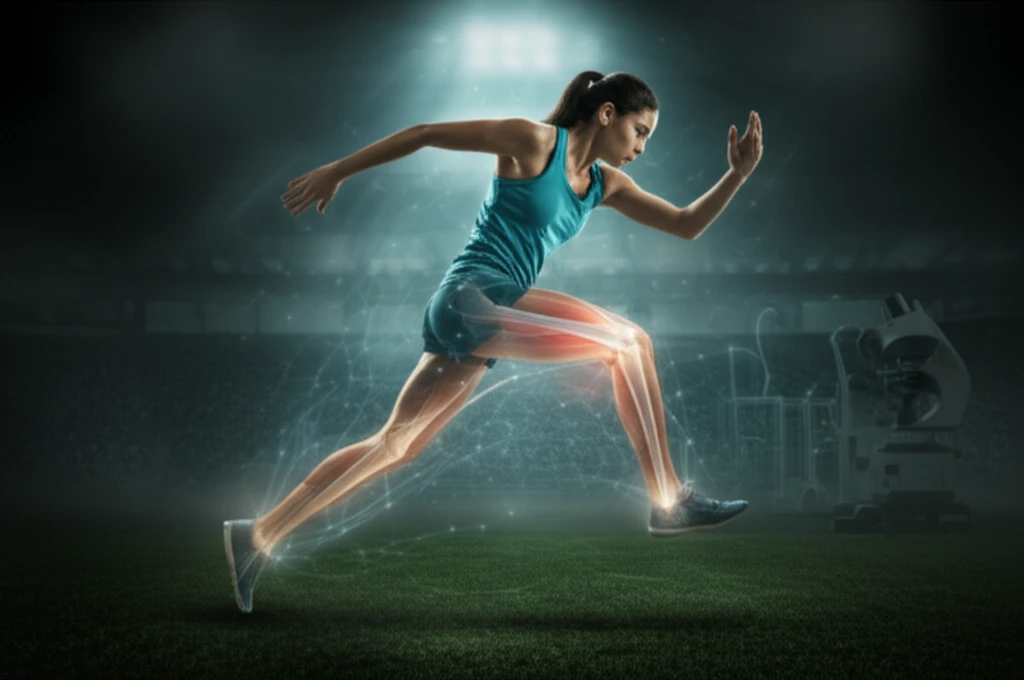
Surreal illustration of a female athlete with a visible ACL and neuromuscular connections.

ACL Injuries in Female Athletes: Prevention and Care

"Understanding the rise, causes, and solutions for anterior cruciate ligament ruptures in female athletes."


Anterior cruciate ligament (ACL) injuries are a growing concern, particularly among female athletes aged 14 to 19. Despite significant advances in surgical treatments over the past three decades, preventing initial ACL injuries remains a challenge. With female athletic participation increasing dramatically since the introduction of Title IX, ACL tear rates in women continue to be significantly higher than in their male counterparts.

Studies estimate that female athletes are 2 to 8 times more likely to experience ACL ruptures, especially in sports involving cutting and rapid deceleration, such as soccer and basketball. This disparity underscores the urgent need for comprehensive prevention and care strategies tailored to the specific needs of female athletes.

This article delves into the multifaceted issues surrounding ACL injuries in female athletes. We will explore the factors contributing to these higher injury rates, including anatomical, hormonal, and neuromuscular differences. Additionally, we will discuss current prevention programs, treatment options, and return-to-sport (RTS) considerations, providing a comprehensive guide for athletes, coaches, and healthcare professionals.

Why Are ACL Injuries More Common in Female Athletes?

Surreal illustration of a female athlete with a visible ACL and neuromuscular connections.

Several factors contribute to the increased incidence of ACL injuries in female athletes. These include anatomical differences, hormonal influences, and neuromuscular imbalances. Let's break these down:

Female athletes often have anatomical characteristics that increase their susceptibility to ACL tears. These include a narrower intercondylar notch, which can cause the ACL to impinge against the femur during certain movements. Additionally, women tend to have greater knee valgus angles (knock-knees) and increased tibial slope, which can increase stress on the ACL.

  • Anatomical Factors: Narrower intercondylar notch, greater knee valgus angles, increased tibial slope.
  • Hormonal Influences: Fluctuations in estrogen levels can affect ligament laxity and neuromuscular control.
  • Neuromuscular Imbalances: Quad dominance, decreased hamstring strength, and poor core stability.
Fluctuations in hormone levels, particularly estrogen, can affect ligament laxity and neuromuscular control. Studies suggest that ACL injuries are more likely to occur during the preovulatory phase of the menstrual cycle when estrogen levels are highest. This hormonal influence can compromise joint stability and increase the risk of injury.

The Path Forward: Collaborative Care and Continued Research

Addressing the high rates of ACL injuries in female athletes requires a collaborative effort. Athletes, coaches, therapists, and healthcare providers must work together to implement effective prevention strategies, provide optimal treatment, and support successful return-to-sport outcomes. Further research is essential to refine our understanding of the complex factors contributing to ACL injuries and to develop more targeted and effective interventions. By prioritizing education, prevention, and individualized care, we can empower female athletes to pursue their athletic goals with confidence and minimize their risk of ACL injuries.

About this Article -

This article was crafted using a human-AI hybrid and collaborative approach. AI assisted our team with initial drafting, research insights, identifying key questions, and image generation. Our human editors guided topic selection, defined the angle, structured the content, ensured factual accuracy and relevance, refined the tone, and conducted thorough editing to deliver helpful, high-quality information.See our About page for more information.

Everything You Need To Know

1

What anatomical differences make female athletes more prone to ACL injuries?

Female athletes face a higher risk of Anterior Cruciate Ligament (ACL) injuries due to several anatomical differences. Specifically, they often have a narrower intercondylar notch, which can lead to the ACL impinging on the femur during movement. Additionally, women tend to exhibit greater knee valgus angles, commonly known as knock-knees, and an increased tibial slope. These structural variations can collectively place increased stress on the ACL, making it more susceptible to tears.

2

How do hormonal influences increase the risk of Anterior Cruciate Ligament (ACL) injuries in female athletes?

Hormonal fluctuations, particularly those related to estrogen levels, significantly impact ligament laxity and neuromuscular control in female athletes, increasing the likelihood of ACL injuries. The risk is notably elevated during the preovulatory phase of the menstrual cycle, when estrogen levels are at their peak. This hormonal influence compromises joint stability, making the ACL more vulnerable to injury during activities involving cutting and rapid deceleration, common in sports like soccer and basketball.

3

What are the key neuromuscular imbalances that contribute to ACL injuries in female athletes, and why are they significant?

Neuromuscular imbalances in female athletes, such as quad dominance, decreased hamstring strength, and poor core stability, are significant contributors to ACL injuries. Quad dominance refers to the quadriceps muscles being more active than the hamstrings during movement, which can place excessive strain on the ACL. Weak hamstrings and poor core stability further reduce the ability of the athlete to control knee joint motion, increasing the risk of injury, especially during pivoting and sudden stops.

4

Why is it crucial for healthcare professionals, coaches, and athletes to collaborate in preventing ACL injuries in female athletes?

A collaborative approach is essential for addressing the high incidence of Anterior Cruciate Ligament (ACL) injuries in female athletes. Athletes, coaches, therapists, and healthcare providers must work together to implement effective prevention strategies. This includes education on proper techniques, tailored training programs to address anatomical and neuromuscular imbalances, and early intervention for any potential risk factors. Moreover, a coordinated approach supports optimal treatment and successful return-to-sport outcomes, ensuring the athlete's long-term health and athletic performance.

5

What role does ongoing research play in reducing Anterior Cruciate Ligament (ACL) injuries in female athletes?

Ongoing research is crucial for refining our understanding of the complex factors contributing to ACL injuries and developing more targeted and effective interventions. Current studies aim to investigate the specific impact of anatomical differences, hormonal influences, and neuromuscular imbalances on injury risk. Further research helps to develop more effective prevention programs, refine treatment strategies, and improve rehabilitation protocols, ultimately empowering female athletes to pursue their athletic goals with confidence and minimizing their risk of ACL injuries.

Newsletter Subscribe

Subscribe to get the latest articles and insights directly in your inbox.