Mystum Science & Nature Category Page List All Articles

Science & Nature

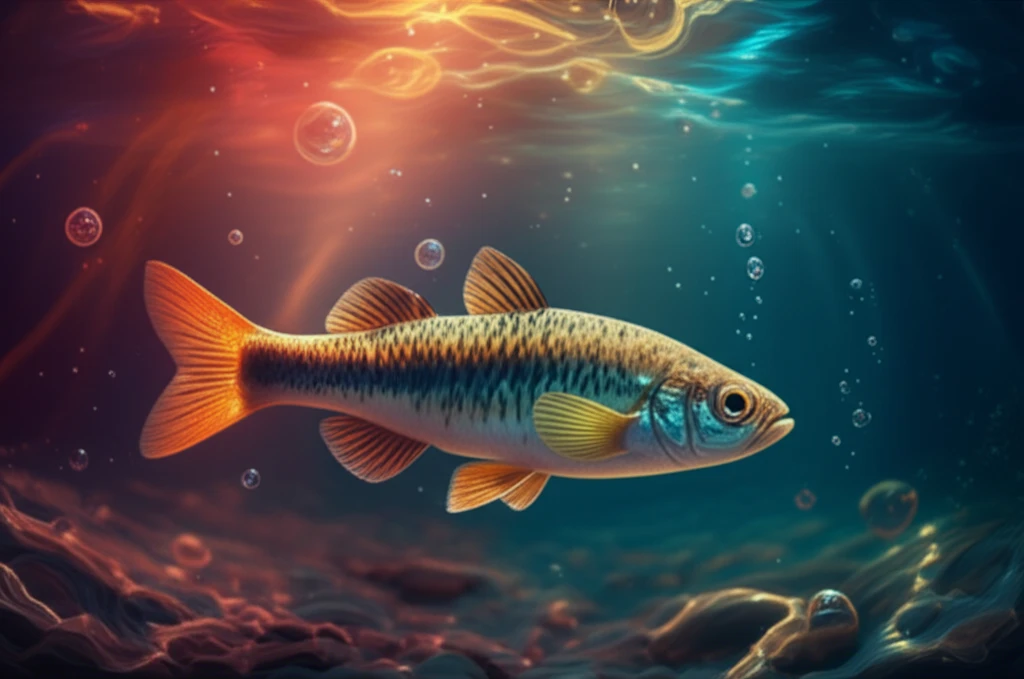
Sheepshead minnow adapting to fluctuating temperatures in an estuary.

Can Fish Adapt? How Temperature Changes Affect Aquatic Life

Discover how rising temperatures and fluctuating oxygen levels affect fish. Learn about the survival strategies of sheepshead minnows, revealing clues about the future of aquatic life in a changing climate.

Termite gut bacteria illustration

Decoding the Gut: How Diet Shapes Termite Digestion and What It Means for Eco-Friendly Solutions

Termites, often seen as pests, hold secrets to efficient biomass breakdown. This article delves into how their gut bacteria adapt to different diets, offering insights for sustainable technologies.

Surreal image of mushrooms growing in a lab, symbolizing the future of biopolymer production.

Unlock the Power of Mushrooms: How Fungi Could Revolutionize Biopolymer Production

Discover how researchers are optimizing the cultivation of Ganoderma lucidum mushrooms to produce chitin and chitosan, versatile biopolymers with applications ranging from medicine to environmental science. Could this be the key to a more sustainable future?

Microscopic view of marine fungus with Curvulaide A molecular structure.

Unlocking Nature's Pharmacy: Marine Fungus Yields Promising Antibiotic Compound

A recent study unveils Curvulaide A, a novel bicyclic polyketide extracted from a marine-derived fungus, demonstrating potent anti-anaerobic bacteria activity and potential in fighting drug-resistant infections and tumors. Is this a breakthrough moment in antibiotic discovery?

Digital illustration of Volvox carteri with CRISPR-Cas9 editing tools

Revolutionizing Volvox Research: How CRISPR is Unlocking Genetic Secrets

Explore how CRISPR-Cas9 is transforming genetic studies in Volvox carteri, offering new insights into multicellularity and development. Learn about the methods, results, and potential applications of this cutting-edge research.

Molecular structure forming from smaller compounds

The Chemistry of Connection: New Method Simplifies Alcohol Synthesis

Researchers have discovered a new method for creating important chemical compounds called allylic alcohols. This innovative technique uses readily available materials and reduces waste, offering a more sustainable approach to chemical synthesis.

Honeycombs with glucose crystals forming within, symbolizing honey crystallization.

Honey, I Crystallized the Facts: Decoding Honey Crystallization for Sweet Success

Is your honey turning grainy? Dive into the science of honey crystallization! Discover the factors influencing this natural phenomenon and learn how to manage it for a consistently delicious product.

Illustration of magnetic lipase nanoparticles in a reverse micelle.

Magnetic Lipase Nanoparticles: The Future of Eco-Friendly Catalysis?

Discover how scientists are using reverse micelle technology to create magnetic lipase nanoparticles, offering a sustainable and highly efficient solution for various catalytic applications.

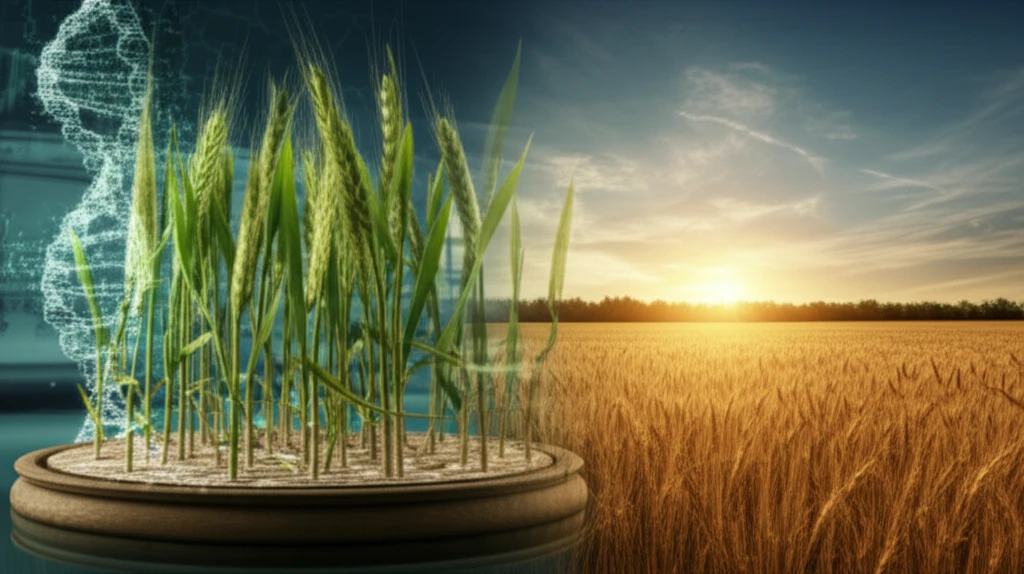
Wheat field with DNA strands, representing CRES-T technology and plant genetic modification.

Unlocking Plant Potential: How CRES-T Technology is Revolutionizing Genetic Modification

Discover how CRES-T technology is transforming plant science, offering a simpler, more effective way to modify plant traits and overcome the challenges of genetic redundancy.

Durum Wheat Seedlings with DNA Strands

Unlocking Durum Wheat's Potential: How Seedling Traits Can Revolutionize Crop Production

Discover how analyzing seedling traits in durum wheat can lead to significant advancements in crop production. Learn about the genetic variations, marker-assisted breeding, and the future of wheat varieties.

Page 162 of 200

Newsletter Subscribe

Subscribe to get the latest articles and insights directly in your inbox.