Mystum Science & Nature Category Page List All Articles

Science & Nature

Abstract illustration of a fuzzy set intersecting with an ordered semigroup.

The Great Retraction: Why Fuzzy Logic and Ordered Semigroups Collided in Mathematics

Dive into the intriguing story of a retracted mathematics article focusing on fuzzy sets and ordered Γ-semigroups. Explore the concepts, the reasons for retraction, and the broader implications for mathematical research and integrity.

Ajuga bracteosa plants flourishing under colored lights in a greenhouse

The Secret's Out: How Light Can Radically Boost Medicinal Plant Production

Explore the groundbreaking research uncovering how different wavelengths of light dramatically impact the growth and potency of medicinal plants. Learn how this innovative approach could transform the future of herbal medicine and conservation efforts.

Illustration of a manta ray swimming, representing its unique filtration system and potential industrial applications.

Innovative Filtration: How Manta Rays are Inspiring New Technologies

Manta rays possess a unique filtration system that prevents clogging while capturing microscopic plankton. New research explores this mechanism, highlighting its potential for revolutionizing industrial filtration processes.

Illustration of Rhea bird digestive system.

The Curious Case of the Rhea's Digestive System: Why Understanding Bird Anatomy Matters

Ever wondered how a rhea digests its food? Discover the unique features of the rhea's digestive system, from its tongue to its ceca, and learn why this knowledge is crucial for conservation, nutrition, and comparative anatomy.

DNA intertwined with viral symbols, representing retroviral influence on evolution.

Unlocking the Secrets of Retroviruses: How Ancient Viruses Shape Our Health and Evolution

Retroviruses, remnants of ancient infections, play a surprising role in our health and evolution. This article explores how these mobile genetic elements can cause disease, influence our immune systems, and even shape the development of new species.

Stylized fruit flies dancing near a DNA helix

Decoding the Secrets of Attraction: How Fruit Flies Illuminate Human Relationships

Dive into the fascinating world of fruit fly genetics and discover how Mariana Wolfner's pioneering work is revolutionizing our understanding of sexual conflict, reproductive processes, and the surprising similarities between fly and human biology. Explore how these tiny creatures are helping us decode the intricate dance of attraction and behavior.

Surreal image of cow digestive system galaxy influenced by DDGS feed.

Gut Check: How DDGS in Cattle Feed Affects Their Microbiome

Is your cattle's diet affecting their gut health? We delve into a study exploring how dried distillers grains plus solubles (DDGS) influences the bacterial diversity in cattle, potentially opening doors for pathogens and impacting their overall well-being.

Bacillus velezensis protects a plant from fungal attack

Unlock Nature's Pharmacy: How Bacillus velezensis Can Revolutionize Agriculture

Dive into the world of Bacillus velezensis GQJK49, a groundbreaking bacterium with antifungal properties that could transform the future of agriculture. Learn how this natural solution can protect crops, reduce reliance on chemical pesticides, and foster healthier ecosystems.

Neutron particle passing through tungsten slits, plasma fusion reactor.

Neutron Imaging: How Scientists Are Peering Inside Fusion Reactions

Explore how scientists are using the ODIN neutron imager at Sandia's Z facility to understand and optimize fusion reactions, paving the way for cleaner energy sources. Learn about the challenges, innovative solutions, and future possibilities in neutron imaging.

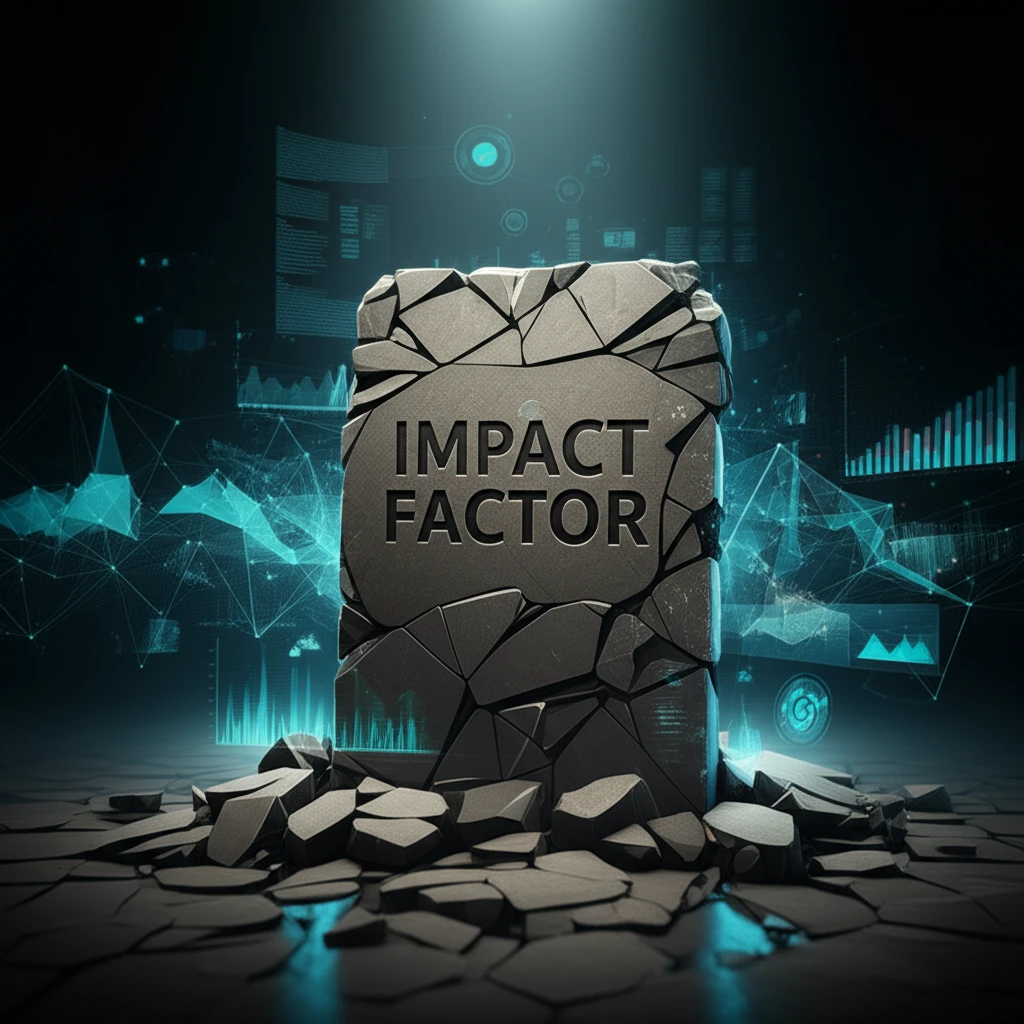
Crumbling Impact Factor tablet with modern metrics rising around it.

Is the Impact Factor Impacting You? Why Scientists Are Ditching This Metric

For years, the Impact Factor (IF) has been the gold standard for judging a journal's importance. But is it really a fair measure? Learn why many researchers and organizations are now questioning its value and exploring new ways to assess scientific impact.

Page 105 of 200

Newsletter Subscribe

Subscribe to get the latest articles and insights directly in your inbox.