Mystum Climate & Environment Category Page List All Articles

Climate & Environment

Sheep grazing in a desert with stylized cactus plants.

Desert-Friendly Hydration: How Cactus Can Boost Sheep Health

Discover how adding forage cactus to sheep diets can optimize water intake, support kidney function, and promote sustainable agriculture in dry regions. Learn the benefits and practical applications.


FGD ash particles reacting with phosphorus in wastewater

From Waste to Resource: How Flue Gas Desulfurization Ash Can Help Remove Phosphorus

Discover how semi-dry flue gas desulfurization (FGD) ash, a byproduct of cleaning emissions from power plants, can be effectively used to remove phosphorus from wastewater, offering a sustainable solution for waste management and environmental protection.

Frog sitting near nuclear power plant at twilight.

Radiation Risks to Amphibians: What You Need to Know

Are frogs and salamanders near nuclear sites at risk? This article breaks down a study assessing radiation hazards to amphibians, revealing how regional factors influence their vulnerability and what it means for environmental protection.

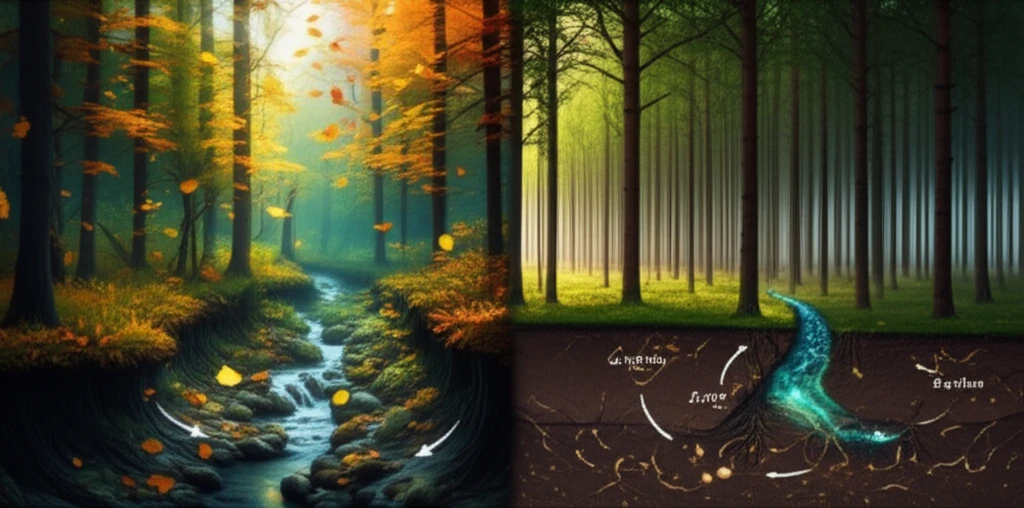
Contrasting forest landscapes showing carbon cycling and leaf litter decomposition.

Unlocking Soil Secrets: How Litter Affects Forest Health

Learn how different types of forests respond uniquely to leaf litter, influencing carbon cycling and soil health. This article decodes the complex interactions between leaf litter, soil microbes, and forest ecosystems.

Wind turbines and solar panels integrated into an agricultural landscape.

Powering the Future: Can Renewable Energy Goals Be Met on Converted Lands?

This article explores how renewable energy targets can be achieved by focusing development on converted lands, minimizing impact on natural ecosystems and promoting sustainable energy solutions for a greener future.

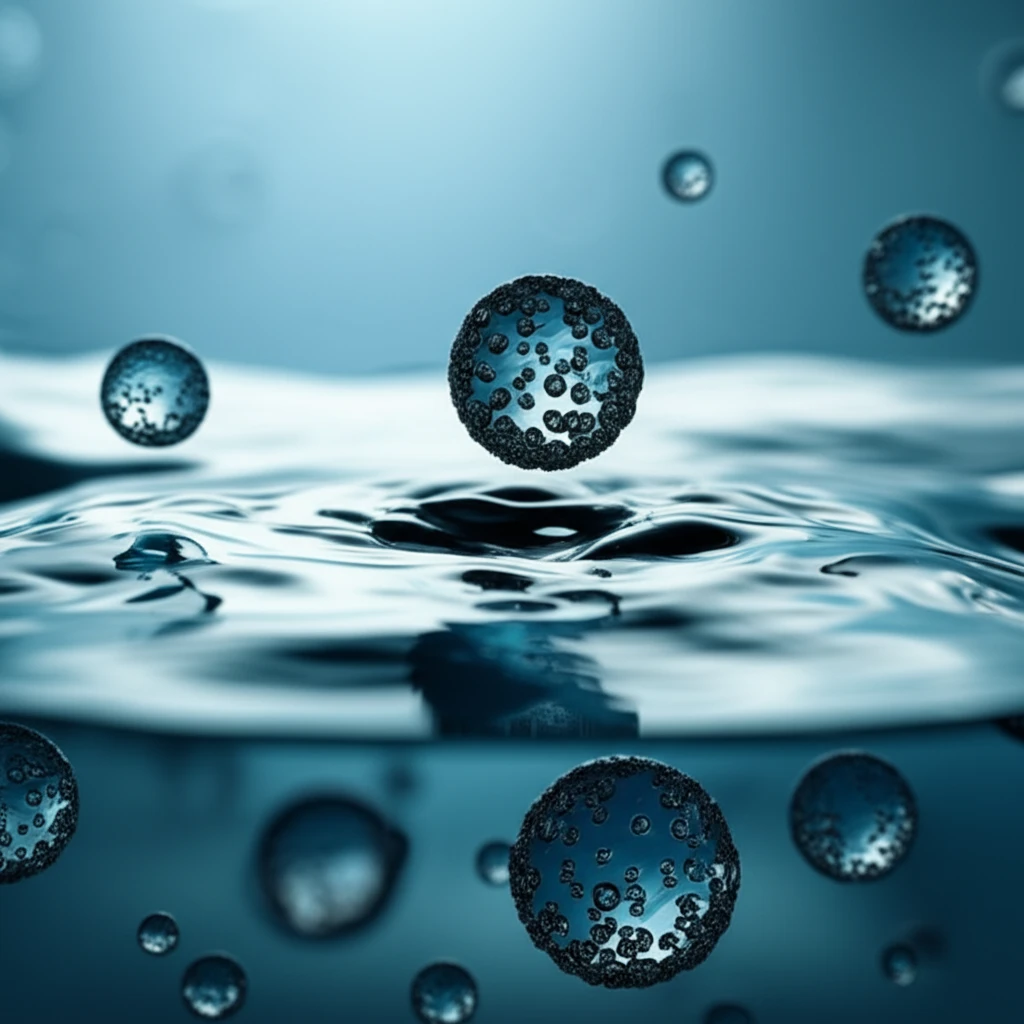
Nanoscale particles absorbing pollution in water.

Clean Water, Clear Future: How Nanotechnology is Tackling 17β-Estradiol (E2) Pollution

This article explores the innovative use of stabilized iron-manganese oxide nanoparticles (CMC-FMBON) in effectively removing 17β-estradiol (E2), a harmful endocrine disruptor, from water. Learn about the science behind this nanotechnology, its cost-effectiveness, and its potential to revolutionize wastewater treatment.

Vibrant coral reefs in Kei Besar, Indonesia, intertwined with ancient symbols of local wisdom.

Kei Besar's Coral Reefs: Can Local Wisdom Save Them?

Explore the coral reefs of Kei Besar, Indonesia, and learn how integrating local wisdom with modern science can protect these vital ecosystems and support the community's future.

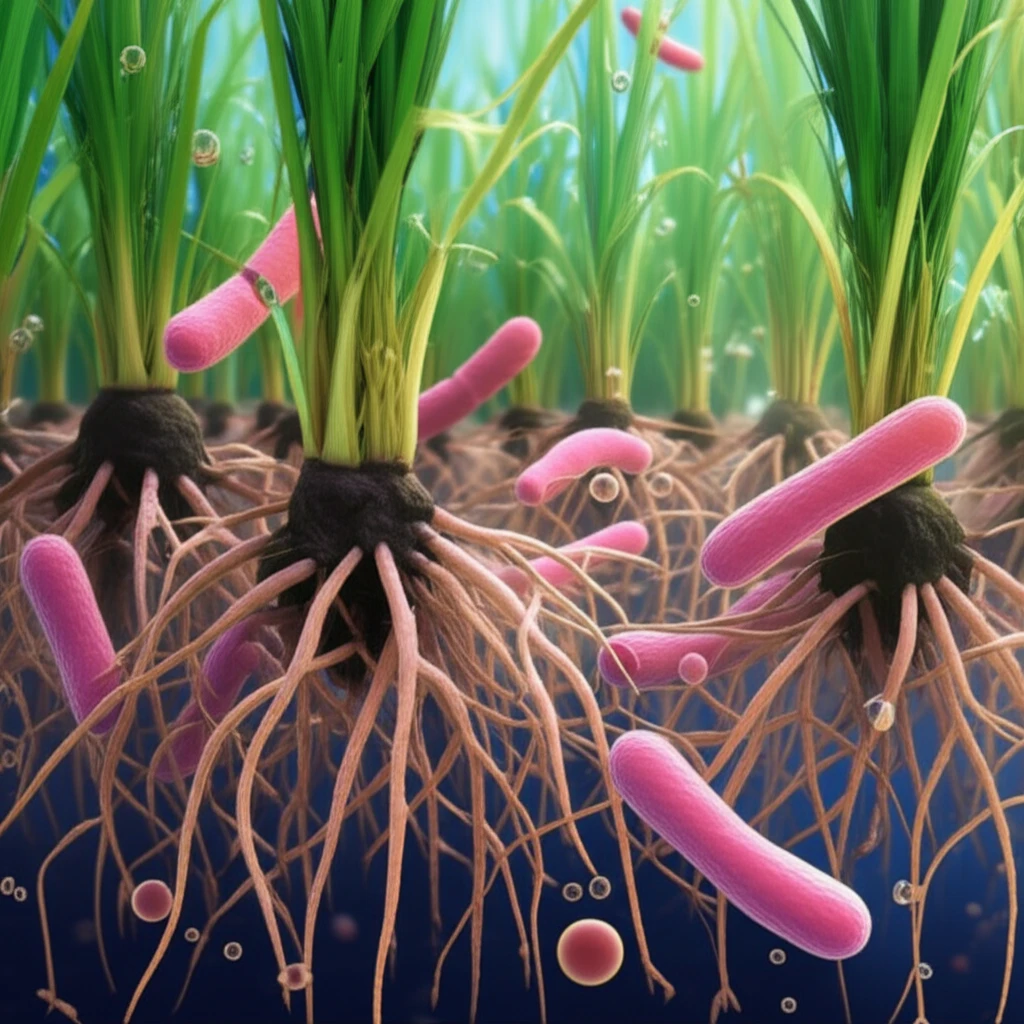
Microscopic view of Methylocucumis oryzae bacteria in a rice paddy.

Meet *Methylocucumis oryzae*: The Tiny Organism with a Big Impact on Rice Fields

Discover *Methylocucumis oryzae*, a newly classified bacterium thriving in rice fields. Learn how this tiny organism impacts methane levels and what its reclassification means for environmental research.

Honeybees flying from crop fields towards diverse floral landscape.

The Buzz About Bees: Rethinking How We Value Pollination

Discover how managed honeybees, often seen as agricultural inputs, depend on off-farm forage, blurring the lines between agriculture and ecosystem services. Understand the need to protect wild pollinators and forage resources to support crop production.

Microscopic organisms cleaning water

Can This Tiny Tech Clean Up Pharmaceutical Waste?

Pharmaceutical wastewater poses a significant environmental threat due to its complex composition and potential toxicity. This article explores a promising technology, the anaerobic membrane bioreactor (AnMBR), and its ability to efficiently remove harmful substances like tetrahydrofuran (THF) from pharmaceutical wastewater.

Newsletter Subscribe

Subscribe to get the latest articles and insights directly in your inbox.