Mystum Climate & Environment Category Page List All Articles

Climate & Environment

Wheat and paddy fields symbolize sustainable farming in saline soils.

Boosting Wheat and Paddy Yields: Smart Farming in Saline Soils

Learn how farmers in Haryana are overcoming saline soil challenges to maximize wheat and paddy yields. Explore strategies, from optimized input use to smart irrigation, for a more sustainable and productive agriculture.
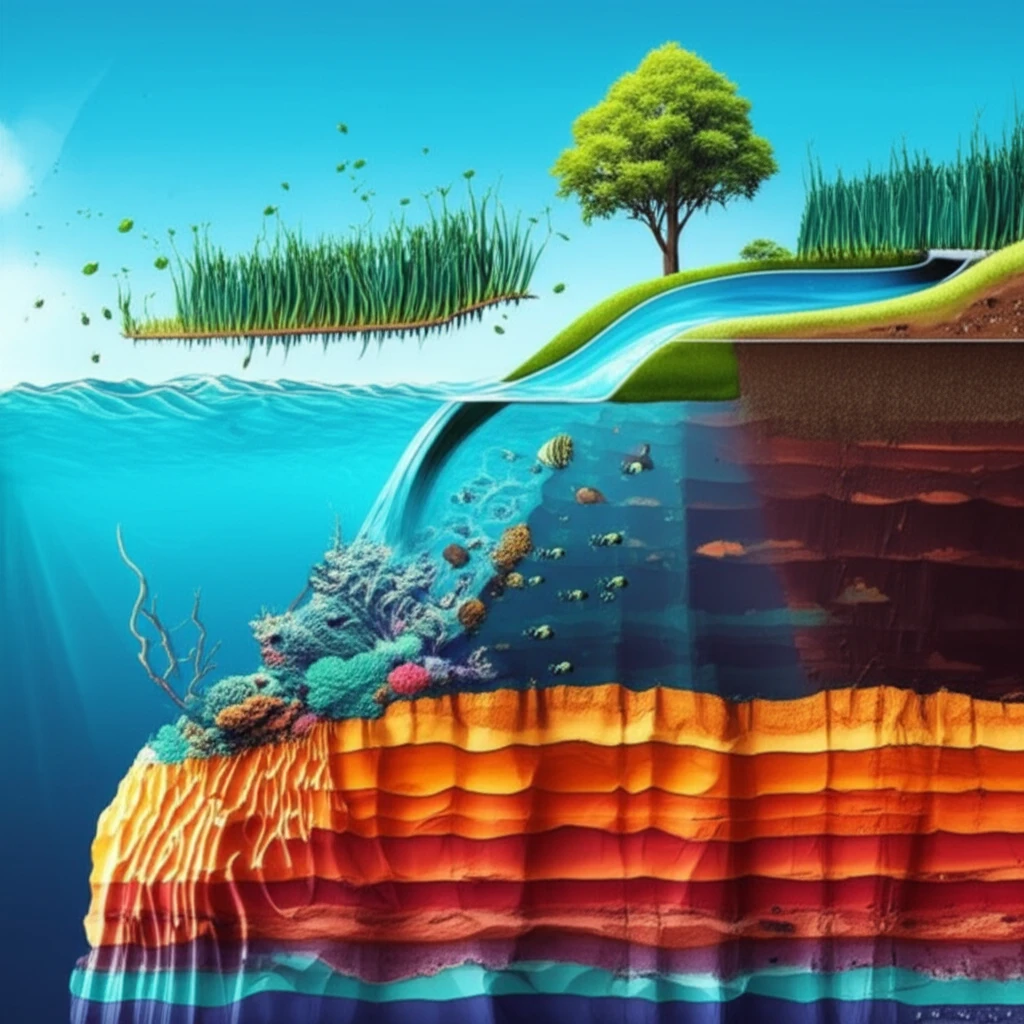

Illustration of sedimentation in a reservoir, showing sediment accumulation and its impact on water resources.

River Rescue: How to Stop Sediment From Silting Up Our Reservoirs

Sediment buildup in river estuaries is a growing concern, threatening water supply and ecosystem health. Learn how to mitigate this issue with effective management techniques.

Sustainable oil recovery with lignin.

Black Gold to Green Solutions: How Lignin is Revolutionizing Oil Recovery

Explore the groundbreaking use of lignin in enhanced oil recovery (EOR), transforming a paper industry waste product into a key player in sustainable oil extraction. Learn about its benefits, applications, and the future of green chemistry in the oil sector.

Ugandan farmer with Serenut 5R groundnuts

Unlock Higher Yields: How Serenut 5R Groundnuts Are Revolutionizing Ugandan Farms

Serenut 5R groundnuts are transforming agriculture in Uganda, offering higher yields, disease resistance, and improved market value. Learn how this innovative crop is empowering farmers and enhancing food security.

A vibrant field margin teeming with wildflowers and bees.

Buzzing Back: How Field Margins Can Save Our Pollinators

Pollinator populations are declining, but there's a simple solution. This article explores how strategically designed field margins can provide crucial habitat and food sources, boosting pollinator success and supporting biodiversity.

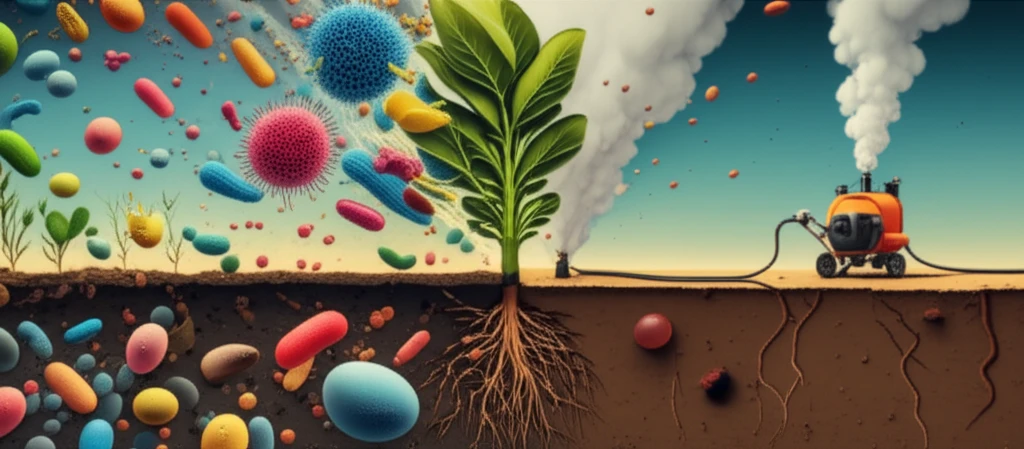
Stylized soil profile juxtaposing microbial life and fumigation.

Is Soil Fumigation Safe? Unveiling the Impact of 1,3-Dichloropropene on Soil Health

Discover how 1,3-dichloropropene, a common soil fumigant, affects soil health. We delve into a recent study that examines its impact on soil enzyme activities and microbial communities, offering key insights for environmental safety and sustainable farming practices.

Microscopic nanoparticles disrupting the delicate balance of a wastewater treatment biofilm.

Nano No-Nos: How Cerium Dioxide Can Disrupt Wastewater Treatment

Dive into the unsettling effects of cerium dioxide nanoparticles (CeO2 NPs) on wastewater treatment. Learn how these tiny particles impact nitrogen removal, microbial communities, and the overall efficiency of biofilm reactors.

Futuristic city skyline built with sulfur concrete, blending urban development with nature.

Sulfur Concrete: The Eco-Friendly Alternative Revolutionizing Construction?

Discover the groundbreaking potential of sulfur concrete, a sustainable alternative that not only enhances durability but also addresses environmental concerns by utilizing industrial waste.

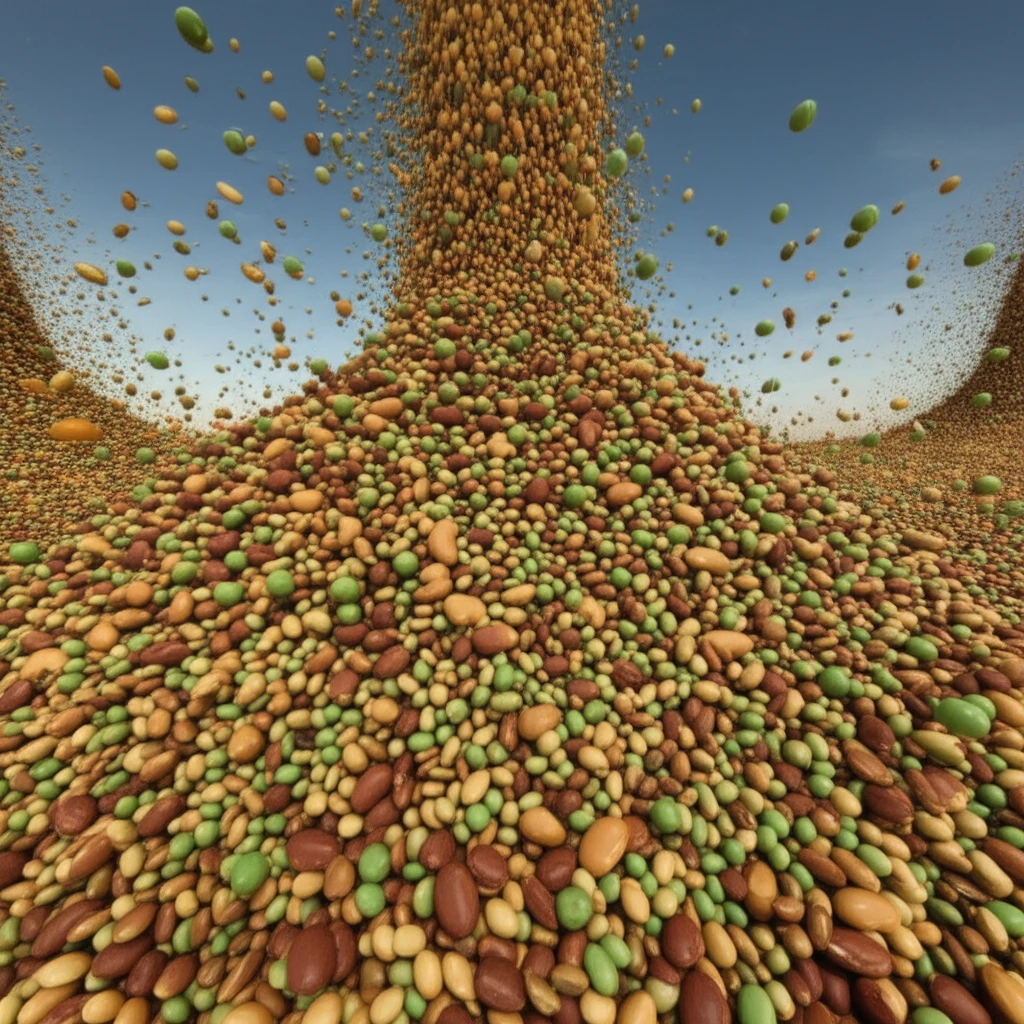
Legume seeds protecting grains

Natural Pest Control: Can Legume Flours Protect Your Grains?

Worried about pests ruining your stored grains? This article explores how flours made from legumes like peas and beans can be a safe, natural alternative to traditional insecticides, protecting your food and the environment.

A visual representation of the contrasting impact of hydropeaking on river ecosystems, showing lush plant life versus barren riverbanks.

River Blues: How Hydropeaking Hurts Plant Life and What We Can Do About It

Hydropower, while a renewable energy source, has a dark side. Discover how hydropeaking—rapid water fluctuations from hydropower stations—devastates river plants and what we can do to mitigate the damage.

Page 118 of 147

Newsletter Subscribe

Subscribe to get the latest articles and insights directly in your inbox.