
Y-90 Radioembolization: Balancing Liver Cancer Treatment and Toxicity

"A Closer Look at the Benefits and Risks of Y-90 Microsphere Therapy for Unresectable Liver Metastases"
Liver metastases, the spread of cancer to the liver, present a significant challenge in oncology. When these metastases are unresectable—meaning they cannot be surgically removed—treatment options become limited, and the focus shifts to managing the disease and improving quality of life. One such treatment is intra-arterial radioembolization with yttrium-90 (Y-90) microspheres, a targeted therapy designed to deliver radiation directly to liver tumors while sparing healthy tissue.
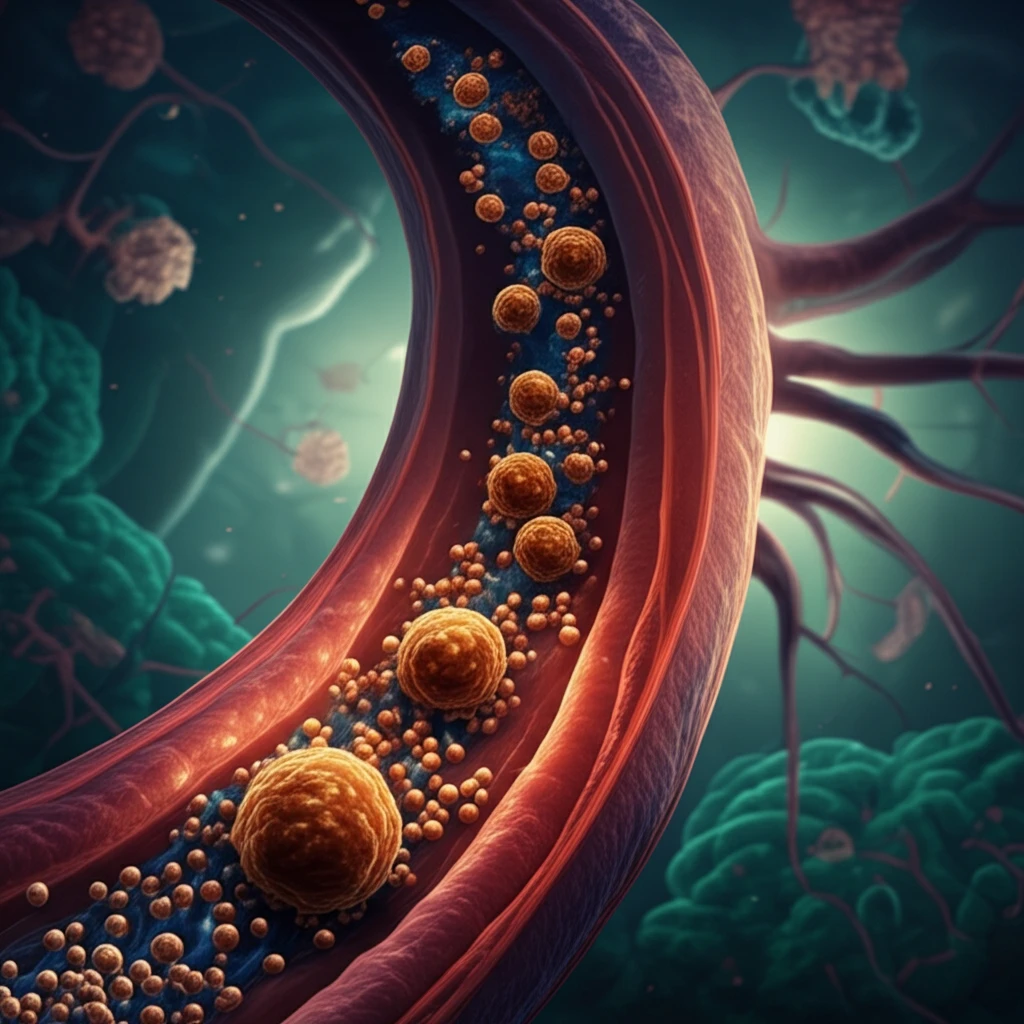
Y-90 radioembolization (also known as selective internal radiation therapy or SIRT) has emerged as a valuable option for patients with both primary liver cancers (like hepatocellular carcinoma) and secondary liver metastases, particularly those originating from colorectal cancer, neuroendocrine tumors, and other primary sites. The treatment involves injecting tiny radioactive beads (microspheres) containing Y-90 into the hepatic artery, the main blood supply to the liver. Cancer cells, with their high metabolic demands, readily absorb the radiation, leading to tumor shrinkage and slowed growth.
This article delves into a study that examines the clinical and laboratory toxicity associated with Y-90 radioembolization in patients with unresectable liver metastases. By understanding the balance between treatment benefits and potential side effects, we can better appreciate the role of Y-90 radioembolization in modern cancer care and how it affects patient outcomes.
Growing Utilization of Y-90 Radioembolization
Y-90 radioembolization has become a key therapeutic option for liver malignancies and is expanding into extrahepatic applications. A meta-analysis compiled data from 28 studies involving 1,662 patients to assess efficacy and safety for unresectable liver metastases. Research has tracked Y-90 utilization trends for stage IV colorectal cancer with liver metastases from 2010 to 2020, though randomized trials have not demonstrated improvement in overall survival. The field continues to evolve with growing bibliometric research linking global trends to practice-defining contexts.
Standard Methods and Their Limitations
Y-90 radioembolization involves delivering radioactive microspheres directly to liver tumors through the blood supply. Two main microsphere types exist—glass and resin—each with distinct dosimetry and distribution characteristics. While the treatment has gained acceptance for inoperable liver cancers, challenges remain in patient selection and optimal dosing protocols. The absence of standardized approaches continues to limit widespread adoption and comparative effectiveness research.
Six Decades of Development
Researchers have been investigating Yttrium-90 radioembolization for locoregional tumor control since the 1960s. Glass and resin Y-90 microspheres were developed in the early 1990s, marking a significant milestone in treatment capability. The RAPY90D trial, published in summer 2023, demonstrated success using Y-90-glass radioembolization in hepatocellular carcinoma patients, advancing efforts to bring this treatment to more patients. Ongoing research continues to improve patient selection, dosimetry, and explore new therapeutic combinations.
What are the Key Findings on Toxicity and Efficacy?
A study published in PLOS One, titled "Clinical and Laboratory Toxicity after Intra-Arterial Radioembolization with 90Y-Microspheres for Unresectable Liver Metastases," investigated the safety and efficacy of Y-90 radioembolization. The researchers retrospectively analyzed data from 59 patients with liver metastases who underwent Y-90 radioembolization between February 2009 and March 2012. The primary goal was to evaluate the clinical and laboratory toxicity associated with the treatment.
- Low Clinical Toxicity: The study found that clinical toxicity was generally mild, with most patients experiencing only grade 1–2 symptoms, such as post-embolization syndrome (fatigue, nausea, abdominal pain). No grade 3–4 clinical toxicity or severe complications like radiation-induced liver disease (RILD) were observed.
- Significant Laboratory Toxicity: In contrast, laboratory toxicity was more pronounced, with grade 3–4 abnormalities observed in 38% of patients. These abnormalities primarily affected liver function tests, such as elevated GGT, ALP, and bilirubin levels.
- Treatment Strategy Impact: The researchers stratified laboratory toxicity by treatment strategy (whole liver treatment in one session vs. sequential sessions) but found no significant association between the approach and increased toxicity.
- Modest Tumor Response: At three months post-treatment, the disease control rates (complete response + partial response + stable disease) were 35% for target lesions, 21% for the whole liver, and 19% overall. The median time to progression (TTP) was 6.2 months for target lesions, 3.3 months for the whole liver, and 3.0 months overall.
- Limited Overall Survival: The median overall survival was 8.9 months, indicating that while Y-90 radioembolization can provide disease control, it may not significantly extend overall survival in this patient population.
Current Evidence and Research Directions
Recent studies have evaluated Y-90 transarterial radioembolization for neuroendocrine liver metastases, assessing both safety and efficacy outcomes. Research continues to contrast glass versus resin microspheres and primary versus metastatic liver disease applications. A meta-analysis demonstrated Y-90 radioembolization's efficacy for liver metastases despite the absence of Level I evidence. Tumor absorbed dose analyses are being conducted to optimize treatment outcomes after Y-90 glass microsphere delivery.
Challenges and Adverse Events
Radioembolization carries potential complications and adverse events that require comprehensive management. The treatment remains an alternative locoregional therapy with established but limited roles in managing primary and secondary liver malignancies. Liver malignancies have become one of the most common causes of cancer-related death worldwide due to high malignant degrees and limited systematic treatment strategies. Key challenges persist, including the need for standardized dosimetry and comparative local control analyses in liver tumors.
Treatment Comparisons
Y-90 radioembolization is one of several locoregional therapies available for liver malignancies. The treatment competes with surgical resection, systemic therapies, and other interventional approaches. Direct comparative studies remain limited, making it difficult to establish clear superiority of one approach over another. Treatment selection typically depends on tumor characteristics, liver function, and patient-specific factors.
Is Y-90 Radioembolization Right for You?
While Y-90 radioembolization offers a valuable treatment option for managing unresectable liver metastases, it’s essential to weigh the benefits and risks carefully. The decision to undergo this therapy should be made in consultation with a multidisciplinary team of specialists, including oncologists, radiologists, and hepatologists. Monitoring liver function and managing potential side effects are critical components of care. Further research and ongoing clinical trials may help refine patient selection criteria and improve the outcomes of Y-90 radioembolization, offering new hope for those battling liver metastases.
Clinical Effectiveness and Evidence Gaps
High-dose radioembolization with Y-90 resin microspheres is increasingly used for primary liver cancer, though its role in hepatic metastases treatment requires further definition. A retrospective study of 15 patients with hepatic metastases showed high-dose treatment was well tolerated with disease control achieved. Systematic reviews have evaluated Y-90 SIRT efficacy for neuroendocrine liver metastases, integrating institutional data with published literature. Despite demonstrated effectiveness, the absence of Level I evidence remains a significant limitation in establishing Y-90 as a standard-of-care treatment.
Emerging Directions
Research continues to expand Y-90 radioembolization into extrahepatic applications beyond traditional liver cancer treatment. Improvements in dosimetry planning and patient selection criteria are expected to enhance treatment outcomes. Combination therapies pairing Y-90 with systemic treatments or other locoregional approaches are under investigation. Future clinical trials addressing the Level I evidence gap will be critical for broader adoption.
Healthcare System Considerations
Y-90 radioembolization requires specialized infrastructure and trained interventional radiologists, limiting availability at some centers. The cost of treatment and required imaging follow-up presents challenges for healthcare systems. Access disparities may exist between academic medical centers and community hospitals. Developing standardized treatment protocols could help address variability in clinical practice.
Patient Experience and Outcomes
For patients with inoperable liver cancers, Y-90 radioembolization offers a minimally invasive treatment option that can be performed on an outpatient basis. The procedure typically involves a single treatment session with targeted radiation delivery to tumors. Patient quality of life and symptom management remain important considerations alongside survival outcomes. Real-world clinical data continues to accumulate as more centers adopt this technology.