
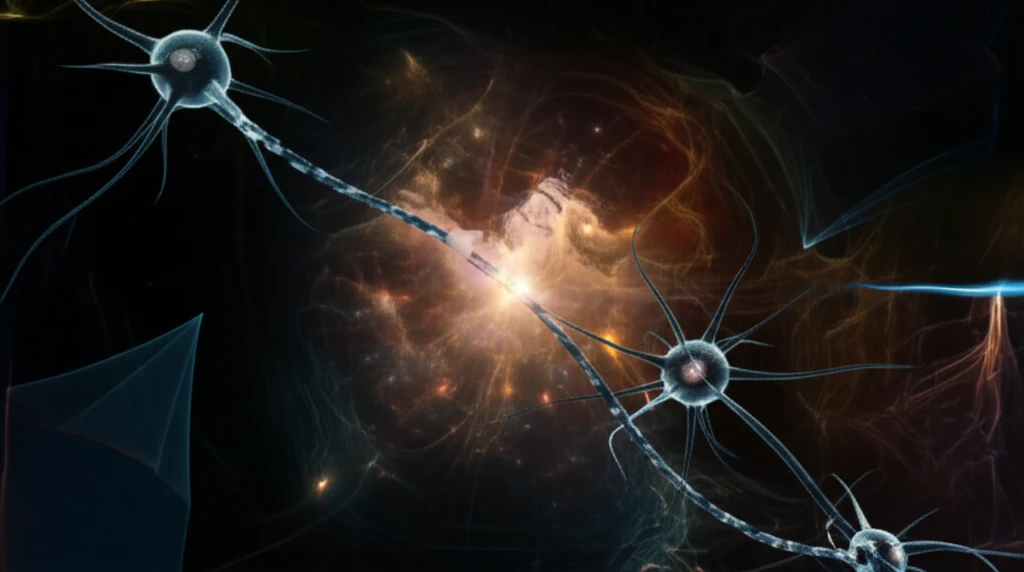
Unlocking the Brain's Potential: How Neuroscience Research is Revolutionizing Our Understanding

"Delving into the latest discoveries and breakthroughs in neuroscience research that are shaping our understanding of the brain and its functions."
Neuroscience, the study of the nervous system, is a rapidly evolving field that seeks to unravel the complexities of the brain and its impact on behavior, cognition, and overall health. Recent advances in neuroscience research have provided unprecedented insights into the intricate workings of the brain, leading to potential new avenues for treating neurological and psychiatric disorders.
From understanding the fundamental mechanisms of neuronal communication to exploring the neural basis of consciousness, neuroscience research encompasses a wide range of disciplines and methodologies. These include molecular biology, genetics, electrophysiology, neuroimaging, and computational modeling, all of which contribute to a more comprehensive understanding of the brain's structure and function.
This article delves into some of the most exciting and promising areas of neuroscience research, highlighting recent discoveries and their potential implications for human health and well-being. We will explore how these advances are shaping our understanding of the brain and paving the way for innovative treatments and therapies.
Neuroscience Today
Neuroscience is rapidly expanding our understanding of how the brain supports learning, behavior, perception, and adaptation. Its impact reaches across education, medicine, psychology, and technology, although the field's findings should be interpreted carefully because many questions about the brain remain unresolved. The significance of this research lies not only in individual discoveries but also in its potential to connect biological mechanisms with real-world human outcomes.
Methods and Limits
Modern neuroscience combines laboratory experiments, clinical observation, brain imaging, and computational analysis to study relationships between neural activity and behavior. These methods can provide complementary evidence, but each captures only part of the brain's complexity and may simplify behavior that is highly contextual. As a result, findings often require replication, careful interpretation, and validation across different populations and settings.
From Ancient Ideas to Modern Neuroscience
Evidence of early attempts to understand the brain stretches from ancient Egyptian mummifications to eighteenth-century investigations of globules and neurons, although early civilizations lacked adequate means to study the human brain systematically. The field developed through surprising experiments, intellectual debates, and clinical breakthroughs rather than through a straight line of progress. Major recent milestones include President Barack Obama's 2013 announcement of the BRAIN Initiative and the 2014 Nobel Prize awarded to John O'Keefe, Edvard Moser, and May-Britt Moser for discoveries about cells that form a positioning system in the brain.
Breakthroughs in Understanding Brain Function
One of the most significant areas of neuroscience research is focused on elucidating the intricate mechanisms underlying brain function. Scientists are making strides in understanding how neurons communicate with each other, how neural circuits are organized, and how different brain regions interact to produce complex behaviors.
- Optogenetics: This revolutionary technique allows researchers to control the activity of specific neurons using light, providing unprecedented precision in manipulating brain circuits and studying their functions.
- Connectomics: This field aims to map the complete wiring diagram of the brain, revealing the intricate connections between neurons and brain regions. This comprehensive map will provide invaluable insights into how information flows through the brain and how different brain areas collaborate to produce complex behaviors.
- CRISPR gene editing: Powerful tool has emerged to target and edit specific genes within cells and organisms with unprecedented precision.
Research at the Frontier
Current neuroscience research spans new discoveries, methods, and reviews across brain science. A recent Nature Reviews Neuroscience review examines cell-type-specific epigenetic and transcriptional mechanisms involved in long-term stress susceptibility. Recent Nature Neuroscience research also reports that the brain arises from two distinct progenitors: one generating the forebrain and midbrain, and another generating the hindbrain.
Where Neuroscience Falls Short
Neuroscience does not produce equally definitive answers in every area of inquiry. Complex findings can be difficult to reproduce, translate across populations, or connect directly to everyday behavior. These limitations suggest that promising results should be treated as part of an evolving evidence base rather than as final explanations of the mind.
Comparing Brains and Contexts
Animal models can help researchers investigate homologous nervous-system mechanisms when human cognitive neuroscience has methodological limitations, but comparisons must distinguish shared traits from uniquely adapted characteristics. Research conducted in controlled laboratories also differs from the environments in which brains evolved and operate, including uncertain landscapes, unpredictable stimuli, and real-time social decisions. These contrasts support a complementary strategy that combines animal studies, human research, and more naturalistic settings rather than treating any single approach as complete.
The Future of Neuroscience Research
Neuroscience research is poised to continue its rapid pace of discovery in the coming years. With the development of new technologies and methodologies, scientists are gaining an increasingly detailed understanding of the brain and its functions.
Evidence and Interpretation
Neuroscience evidence can influence how expert reports are judged, with one study finding effects on perceptions of quality, credibility, scientificity, and persuasiveness. A 2023 systematic review likewise reports that extraneous neuroscience information improved ratings of scientific explanations and affected mock-juror decisions in many studies, although other studies found little or no effect. Together, these findings suggest that neuroscience can add persuasive force beyond its direct evidentiary value, making careful expert interpretation especially important.
A Shared Research Roadmap
Neuroscience is entering a phase defined not only by discovery but also by integration across methods, fields, and research priorities. The NIH Neuroscience Research Roadmap presents this transition as a call to recognize scientific progress while identifying new trends for the coming decade. A related NeuroView proposes a forward-looking, field-wide strategy for organizing those goals, while the State of Neuroscience 2025 maps changes in research topics across nearly 350,000 abstracts.
The Integrative Challenge
Understanding how the human brain generates perception, thought, emotion, and behavior remains a central grand challenge for systems neuroscience. The NIH BRAIN Initiative describes deep, mechanistic understanding of the brain's complexity and broad function as one of the greatest challenges of the generation. Researchers also warn that institutional mechanisms and technology-driven empirical practices may hinder the development of a sound, integrative theoretical neuroscience.
From Clinical Cases to Care
Individual neurological experiences have helped make brain science more tangible and have shaped modern neuropsychiatry. Jill Bolte Taylor's account describes a rupture of an arteriovenous malformation, severe bleeding in the brain's left hemisphere, and subsequent rehabilitation. In clinical and research settings, neuroimaging is used for applications ranging from diagnosing brain tumors to tracking neurological disease progression, providing information that can guide treatment decisions and improve patient outcomes.
One of the most promising areas of future research is the development of personalized treatments for neurological and psychiatric disorders. By taking into account the unique genetic and environmental factors that contribute to each individual's condition, researchers can develop therapies that are tailored to their specific needs.
Neuroscience research holds immense potential to improve human health and well-being. As we continue to unravel the mysteries of the brain, we can look forward to innovative treatments and therapies that will alleviate suffering and enhance the quality of life for millions of people.