
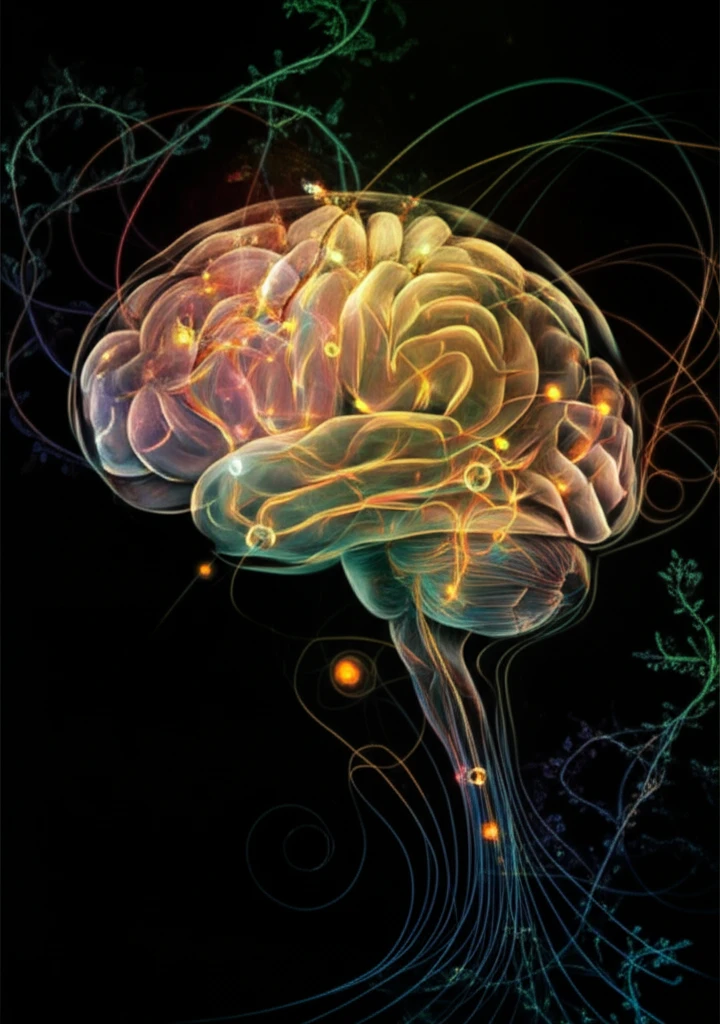
Unlocking Mental Wellness: A Guide to Current Psychiatry Reviews

"Exploring the Latest Insights in Mental Health and How They Impact You"
In the ever-evolving landscape of healthcare, mental health stands out as a critical area of focus. The quest to understand and improve mental well-being has led to continuous research and breakthroughs. This article serves as a guide, drawing inspiration from the valuable insights presented in 'Current Psychiatry Reviews,' to help you navigate and understand the latest developments in mental health.
Mental health is no longer a taboo topic but a central aspect of overall wellness. Understanding the nuances of mental health, from the science behind it to the practical ways to improve it, is essential for everyone. This article aims to break down complex information into an accessible format, empowering you with knowledge and actionable advice.
This guide is tailored for a broad audience, ensuring that the content is relatable, informative, and supportive. Whether you're looking to understand mental health better for yourself, a loved one, or simply to stay informed, this article offers a comprehensive overview of the most relevant aspects of current psychiatric research.
Mental Wellness Today
Mental wellness is a broad public-health concern affecting individuals, families, workplaces, and communities. Its impact can vary across populations and may be shaped by access to care, social conditions, stigma, and the availability of effective support. Current psychiatry reviews can help readers distinguish established findings from emerging or uncertain evidence.
Established Psychiatric Care
Psychiatric care commonly combines clinical assessment with individualized treatment planning and ongoing review. Depending on a person's needs, care may involve medication, psychotherapy, behavioral support, or coordination with other health professionals. These approaches can be helpful, but outcomes may vary, and limitations can include access barriers, side effects, incomplete response, and uncertainty about which intervention best fits a particular person.
From Natural Healing to Modern Psychiatry
Early accounts of psychiatry show a blending of “mental” and “physical” theories of causation, before psychiatry separated definitively from general medicine and natural healing. The history of psychiatry traces changes in a medical specialty concerned with diagnosing, preventing, and treating mental disorders. Its modern development is often presented through timelines of major changes in psychiatry, alongside broader cultural, scientific, and medical developments. This history reflects both significant advances and profound changes in how mental illness has been understood and treated.
Understanding Key Themes in Modern Psychiatry
Modern psychiatry is characterized by several key themes, including the integration of biological, psychological, and social factors in understanding mental health conditions. This holistic approach recognizes that mental health is influenced by a combination of genetics, environment, lifestyle, and personal experiences. Furthermore, the emphasis on personalized treatment, which tailors interventions to the individual's specific needs, is gaining prominence.
- Neuroscience Advances: Exploring the brain's role in mental health.
- Therapeutic Innovations: Discovering new treatments and therapies.
- Psychological Well-being: Focusing on the promotion of positive mental health.
- Societal Impact: Understanding the influence of society on mental health.
Reading Current Evidence
Current psychiatry reviews should be read as assessments of an evolving evidence base rather than as final answers to every clinical question. They may clarify which findings appear consistent, which remain preliminary, and where further research is needed. Readers should consider the study design, population, limitations, and relevance to individual care when interpreting new findings.
Limits of Psychiatric Evidence
Psychiatric approaches can produce uneven results, and no single method is likely to work equally well for everyone. Reviews may identify limitations involving incomplete evidence, differing responses, access problems, or challenges in applying research findings to real-world care. Recognizing these weaknesses supports more cautious interpretation and encourages individualized clinical decision-making.
Psychiatry and Related Fields
Comparative discussions commonly distinguish psychiatry from psychology while also examining their overlap in mental health care. Other comparisons place behavioral health alongside psychiatry, emphasizing both shared concerns and differences in treatment and diagnosis. Understanding these distinctions can help people identify the type of professional support they are seeking. Comparison resources also emphasize weighing options, tradeoffs, evidence, and practical next steps.
Embracing Mental Wellness in Everyday Life
This guide provides a foundation for understanding mental health. By staying informed, seeking support when needed, and practicing self-care, individuals can positively influence their mental well-being. Remember, mental health is a journey, and every step towards understanding and improving it is a step towards a healthier, happier life.
Expert Psychiatric Analysis
Mental health expert witnesses may provide independent analysis, expert reports, and testimony concerning behavioral health treatment, diagnosis, therapy records, risk assessment, and standards of care. Psychiatry experts may review mental health records, examine a litigant when appropriate, and offer opinions on diagnosis, causation, standard of care, competency, capacity, and damages. Their work can include preparing reports, consulting, and providing testimony at depositions or trials. These roles apply psychiatric expertise to legal disputes rather than replacing ordinary clinical care.
Psychiatry’s Emerging Directions
The American Psychiatric Association's 2023 report on the future of psychiatry considers how the field should position itself in relation to developments over the following 10 years. Expert discussions identify psychedelics, transcranial magnetic stimulation, artificial intelligence, precision medicine, and real-world evidence as areas shaping psychiatry's future. Other outlooks describe a potential movement toward more personalized, accessible, and integrated mental health care through technology, innovation, and reduced stigma. These possibilities require forward-thinking leadership and continued attention to the challenges facing mental health professionals.
Mental Health Beyond the Clinic
Mental health challenges are shaped by both clinical needs and wider social systems. The National Institute of Mental Health describes research opportunities intended to address major challenges in mental health and mental health research. Recent discussion has also identified youth mental health as a growing concern, linking adolescent difficulties in part to social media, academic pressures, and the broader impact of the COVID-19 pandemic. Advocacy frameworks argue that mental health professionals can treat systemic change as part of their professional responsibility.
People at the Center
Psychiatric care ultimately concerns people's experiences, relationships, functioning, and goals. Real-world impact depends not only on the treatment selected but also on whether support is accessible, acceptable, continuous, and responsive to individual circumstances. A humane approach should recognize uncertainty, respect personal preferences, and connect clinical decisions with the person's everyday life.