
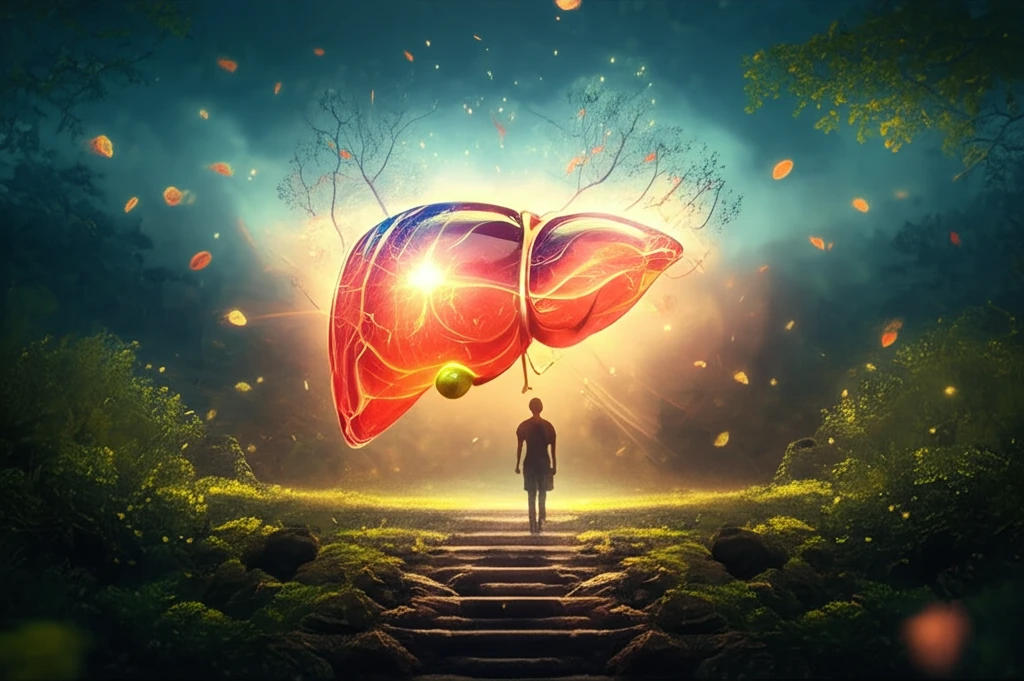
Unlocking Liver Health: How Lifestyle Changes Can Transform Transaminase Levels

"Discover the profound impact of intensive lifestyle interventions on improving liver function and overall well-being, offering new hope for individuals with elevated transaminase levels."
In today's fast-paced world, chronic liver problems, particularly fatty liver disease, are increasingly prevalent. These conditions often manifest as elevated levels of liver enzymes, known as transaminases, signaling that the liver is under stress or damaged. While medical treatments are available, emerging research highlights the remarkable potential of lifestyle interventions to restore liver health and improve overall well-being.
A compelling study presented in the ePoster Abstracts at a medical conference sheds light on the effectiveness of intensive lifestyle interventions in reducing transaminase levels. This retrospective analysis, conducted at Weimar Institute, USA, demonstrates how a comprehensive 18-day residential program can lead to significant improvements in liver function. This article will explore the key findings of this study and translate them into actionable steps that you can incorporate into your daily life.
The approach isn't just about fleeting changes; it's about fostering sustainable habits that support liver health in the long term. By understanding the science behind these interventions, you can take control of your well-being and embark on a path toward a healthier, happier liver.
Lifestyle as a Broad Concept
Lifestyle refers to the interests, opinions, behaviours, and behavioural orientations of an individual, group, or culture. It also describes the habits, norms, rules, rituals, and behaviours that shape daily activities. The listed sources do not provide statistics about transaminase levels or liver health, so they cannot establish a liver-specific measure of impact.
A Cautious Approach
Lifestyle-related changes should be considered in the context of an individual's overall habits and daily routines. Because no sources were provided for this subsection, specific methods for evaluating or changing transaminase levels cannot be identified here. Any discussion of testing, treatment, or limitations would require evidence from appropriately focused medical sources.
The Evolution of Lifestyle Coverage
The term "style of life" was introduced by Austrian psychologist Alfred Adler in his 1929 book, The Case of Miss R. Modern lifestyle coverage extends across style, beauty, wellness, health, inspiring stories, and fashion trends. The supplied source does not describe historical discoveries concerning transaminases or liver health.
How Lifestyle Interventions Lower Liver Enzymes
The study focused on patients participating in an 18-day medical residential lifestyle program at Weimar Institute. This program integrated several key lifestyle interventions, each playing a vital role in supporting liver health:
- Increased Exercise: Regular physical activity is crucial for liver health. Exercise helps reduce fat accumulation in the liver, improves insulin sensitivity, and promotes overall metabolic function.
- Adequate Hydration: Staying well-hydrated is essential for liver detoxification and overall bodily functions. Water helps flush out toxins and ensures that the liver can process nutrients efficiently.
- Abstinence from Alcohol, Caffeine, and Tobacco: These substances can place a significant burden on the liver. Alcohol, in particular, is a known toxin that can lead to liver damage over time. Caffeine and tobacco can also contribute to liver stress and inflammation.
- Proper Sleep: Getting enough quality sleep is vital for liver repair and regeneration. During sleep, the liver can focus on detoxifying the body and repairing any damage.
- Whole Foods Plant-Based Diet: A diet rich in fruits, vegetables, whole grains, and legumes provides the liver with essential nutrients and antioxidants. These foods support liver function and help protect against damage.
- Emotional, Relational, and Spiritual Well-being: Addressing emotional and spiritual issues can have a profound impact on overall health, including liver function. Chronic stress and unresolved emotional issues can contribute to inflammation and liver damage.
Evidence Still Needed
No sources were provided for this subsection. As a result, current research or reviews about lifestyle changes and transaminase levels cannot be summarized responsibly. Specific conclusions would require recent clinical or scientific evidence.
Limits of Available Evidence
No sources were provided for this subsection. It is therefore not possible to identify documented counterarguments, unsuccessful approaches, or study limitations concerning lifestyle changes and transaminase levels. Such claims should be based on evidence that directly examines liver health outcomes.
No Supported Comparison
No sources were provided for this subsection. The available material does not support a comparison of lifestyle interventions, patient groups, or transaminase outcomes. Any comparative conclusion would require directly relevant sources using comparable measures.
Take Control of Your Liver Health Today
The study's findings provide compelling evidence that lifestyle interventions can significantly impact liver health, particularly by reducing transaminase levels. Whether you're dealing with elevated liver enzymes or simply want to optimize your well-being, incorporating these strategies into your daily life can make a profound difference. Remember to consult with your healthcare provider before making significant changes to your diet or exercise routine, especially if you have underlying health conditions. Embrace these lifestyle changes, and you'll be well on your way to a healthier, happier liver.
Evidence-Based Synthesis
No sources were provided for this subsection. A reliable synthesis of lifestyle changes and transaminase levels would need to connect specific behaviours with measured liver outcomes. Expert commentary should likewise be attributed to relevant clinical or scientific sources.
Future Evidence Needs
No sources were provided for this subsection. Future directions for lifestyle-based liver health cannot be identified from the supplied material. Responsible forecasts would require evidence about emerging research, monitoring methods, or interventions.
Context Requires More Evidence
No sources were provided for this subsection. The supplied material does not address systemic barriers, healthcare access, social conditions, or broader challenges affecting transaminase levels. These issues should be discussed only with sources that examine them directly.
Individual Experience
No sources were provided for this subsection. The available material cannot establish how lifestyle changes affect people's lived experiences or liver-related outcomes. A grounded account of real-world impact would require patient-focused or population-based evidence.