
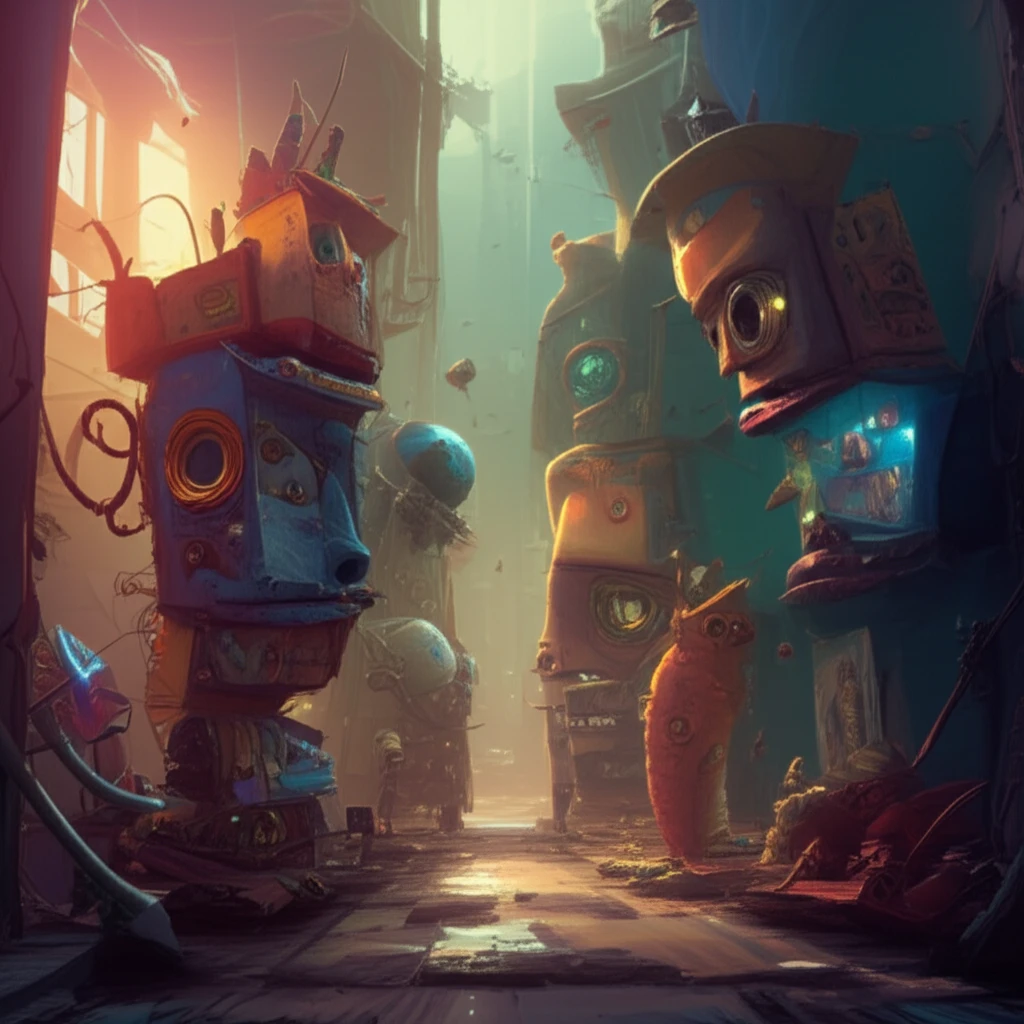
Unlocking Creativity: Exploring the World of Outsider Art and Mental Health
"Discover how artists with unique perspectives challenge conventional art boundaries and redefine creativity."
In the vast and ever-evolving world of art, a unique genre known as "outsider art" has emerged, capturing the attention of critics, collectors, and enthusiasts alike. This art form, often born from the minds of individuals living outside the mainstream, challenges conventional norms and invites us to reconsider the very definition of creativity.
Outsider art is frequently associated with individuals who have experienced mental health challenges, learning difficulties, or social isolation. Their creations offer a window into their unique perspectives, unfiltered emotions, and extraordinary imaginations. These artists, unbound by formal training or societal expectations, produce works that are raw, authentic, and deeply personal.
This article delves into the fascinating intersection of outsider art and mental health, exploring how creative expression can serve as a powerful tool for self-discovery, healing, and social inclusion. By examining the works and stories of outsider artists, we gain a deeper understanding of the human experience and the transformative potential of art.
Limits of Conventional Framing
Arts-based research addressing mental health in western Kenya is presented as needing a network approach and stronger positioning alongside disciplines concerned with wider economic and social contexts. Contemporary discussions also question idealized links between art and “madness,” while using art to challenge fixed definitions of art, sanity, and insanity. Scholarship further examines how “insider” and “outsider” positions are shaped by ambiguous social processes, including the risks of othering and exploitation associated with outsider art.
What is Outsider Art?
Outsider art, also known as art brut (raw art), encompasses works created by individuals who are self-taught, marginalized, or operating outside the established art world. These artists often have little or no contact with traditional art institutions, galleries, or critics, and their creations are driven by an innate desire for self-expression.
- Key Characteristics of Outsider Art:
- Authenticity: Outsider art is characterized by its raw, unfiltered expression of personal experiences and emotions.
- Spontaneity: These artists often work spontaneously, without preconceived ideas or plans.
- Originality: Outsider art is highly original, reflecting the unique perspectives and creative visions of its creators.
- Unconventional Materials: Outsider artists frequently use unconventional materials, such as found objects, discarded items, and everyday materials.
- Personal Mythology: Many outsider artists create their own personal mythologies and worlds, which are reflected in their artwork.
Current Research Directions
Recent scholarship includes an annotated bibliography and literature review of past and contemporary work on self-taught art, mental health, and disability. A June 2025 paper examines the relationship between schizophrenia and creativity, arguing that psychotic art can reveal visual languages that defy conventional aesthetic norms and open new perspectives on inner realities. Other recent work reviews the integration of arts into mental-health treatment settings while assessing the efficacy and challenges of expressive therapies.
Comparing Related Fields
The supplied sources do not provide a direct comparative study of outsider art and art therapy. One source concerns OpenCL-accelerated object classification in video streams and states that humans still significantly outperform machine-learning algorithms in object classification, rather than discussing art or mental health. The other source describes outsider art and art therapy as fields with shared histories and overlapping concerns, particularly the difficulty of defining art and mental health across cultural contexts.
The Enduring Appeal of Outsider Art
Outsider art continues to captivate audiences with its raw authenticity, unique perspectives, and powerful emotional impact. By challenging conventional notions of art and creativity, it invites us to reconsider our own assumptions and embrace the diversity of human expression. As we celebrate the works of outsider artists, we not only recognize their artistic contributions but also acknowledge the importance of mental health awareness and social inclusion.
Healing, Value, and Stigma
One source argues that art therapy should be taken more seriously as a form of healing for people experiencing mental-health issues, and that access to private and community programs can affect multiple facets of neurodivergent experience. Other commentary warns that outsider art can be forced into arts-and-health agendas and specialist funding streams that evaluate it primarily through “social impact” rather than aesthetic value. Research on meaning-making in outsider art also examines how public interpretations can reinforce stigma and marginalization, which is identified as a barrier to recovery.
Emerging Directions
Recent discussion of art therapy’s future highlights digital technology and innovations in trauma-informed care as developments that may shape treatment in a rapidly changing world. Another 2024 paper examines the historical roots, current applications, and future potential of art therapy as a mental-health treatment modality. The Wellcome-supported RSF: Outsider art programme funded 13 short, six-month projects connected to themes including Transforming Institutions, Transforming Engagement, Transforming Health across the life course, and Transforming Relations.