
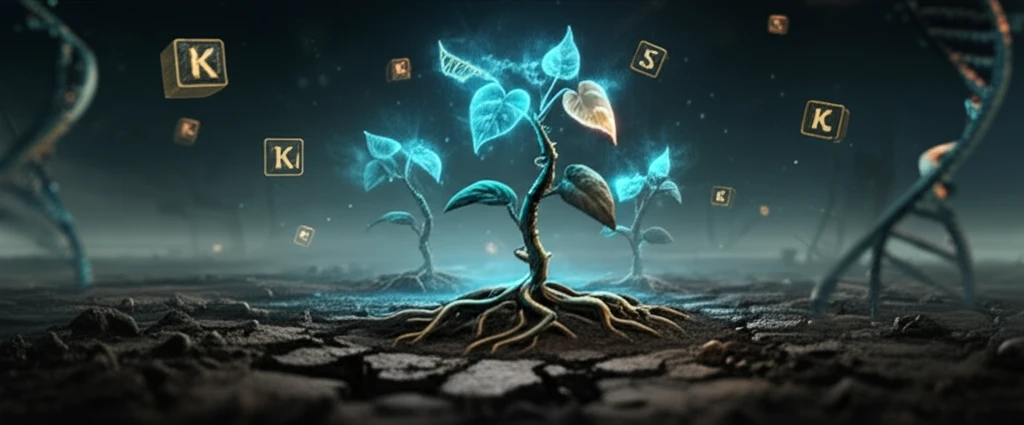
Unlocking Bean Potential: How Genetic Insights Can Boost Your Nutrition

"Dive into the science of common bean breeding and discover how understanding potassium content can lead to healthier and more nutritious meals."
Potassium, an essential mineral, plays a vital role in maintaining human health. From regulating nerve transmission and muscle function to supporting kidney health, adequate potassium intake is crucial. While potassium deficiency is relatively rare due to its presence in many foods, dietary restrictions or specific health conditions can lead to insufficient levels.
Common beans (Phaseolus vulgaris) are a nutritional powerhouse, offering a significant source of potassium and other essential minerals. In Latin America, beans contribute substantially to daily potassium intake, exceeding that of many other common foods. Recognizing the importance of potassium-rich foods, researchers are exploring innovative ways to enhance the nutritional profile of common beans.
One promising avenue involves understanding the genetic control of potassium content within bean seeds. By unraveling the genetic mechanisms that govern potassium accumulation, breeders can develop new varieties of beans with enhanced nutritional value, contributing to improved public health and dietary well-being.
Beans as a Nutritional Staple
Beans rank among the most nutritious and healthiest foods available, though their nutritional profiles vary from one type to the next. The pinto bean, called frijoles pintos in Spanish, is a variety of the common bean and, along with black, kidney, navy, and fava beans, is among the most commonly eaten types in the United States. As an example, a 1-cup (171-gram) serving of boiled pinto beans offers a substantial package of nutrients, and cooked pinto beans are routinely described in per-100-gram nutrition references. Together, these references show that beans deliver meaningful calories, protein, fiber, and other nutrients that make them a dietary staple.
Defining and Measuring the Dry Bean
The standard framing for bean nutrition begins with a definition: dry edible beans such as pinto, navy, kidney, pink, and black beans belong to the legume family, whose plants produce seeds in a pod. Dry beans are the mature seeds harvested when they are dry inside the seed pod, rather than fresh vegetables. Nutritionally, beans and legumes are consistently described as rich sources of dietary fiber, essential vitamins and minerals, and plant-based protein. Because these profiles vary from one variety to the next and depend on preparation, general guidance often treats beans as a category while noting that individual types differ.
Beans Through Culinary History
One enduring milestone in bean history is baked beans, a dish traditionally built from white common beans that are parboiled and then baked in a sauce at low temperature for a lengthy period. Notably, canned baked beans are not actually baked but are cooked through a steam process, a manufacturing shift that changed how most people consume the dish. Consumer references continue to catalog the range of common varieties, such as the 13 types of beans profiled by MyRecipes and Allrecipes, illustrating how beans have remained staples across cuisines. These long-running culinary traditions reflect beans' lasting place in everyday diets.
The Genetic Puzzle of Potassium in Beans
A recent study delved into the genetic factors influencing potassium content in common bean seeds. The primary goal was to investigate potential maternal effects – whether the mother plant's genetics directly impact potassium levels in the seeds – and to estimate heritability, or how much of the potassium content is passed down through generations. Researchers also aimed to determine if genetic selection could effectively boost potassium levels, thereby improving the overall nutritional quality of the beans.
Soaking, Cooking, and Bean Quality
Recent research has focused on how preparation affects bean nutrition, including a review examining the influence of soaking, termed maceration, on the nutritional quality of common beans (Phaseolus vulgaris L.) cooked with or without the soaking water. A stated aim of this review is to achieve agreement among scientists on the nutritional consequences of these cooking decisions. Alongside this, updated reference data from the USDA's FoodData Central now provide detailed nutrient profiles for individual varieties, such as a 182-gram cup of cooked navy beans. Together, such research and standardized data reflect a broader effort to place bean nutrition guidance on firmer, evidence-based footing.
Downsides, Risks, and Critical Coverage
Not every bean story is purely positive, and sources also flag limitations and possible downsides. White beans such as cannellini, also called white kidney beans, are praised for their tender, earthy, nutty character in soups, stews, and chilis, yet even favorable coverage concentrates on a handful of common varieties rather than the whole category. Green beans are rich in vitamins A, C, and K, as well as folic acid and fiber, with reported benefits for areas such as mood and bone health, but coverage also notes possible risks associated with them. Elsewhere, beans and their culture have even drawn public criticism, as seen in a non-commercial gripe website tracking commentary and criticism regarding LowTierGod with a countdown to August 30, 2026. Together, these sources show that bean coverage spans benefits as well as risks and critique.
Comparing Bean Varieties Side by Side
Comparative nutrition charts are a popular way to evaluate beans, with compilations contrasting white beans, lima beans, and navy beans alongside broader seed nutrition comparison guides. Nutrition reference sites also offer dedicated fact sheets for individual varieties, such as black beans, which have their own nutrition-facts and health-benefits profile. Because profiles differ by type, these head-to-head comparisons let consumers weigh protein, fiber, and other nutrients across bean varieties. Such side-by-side framing is a staple of both consumer guides and reference charts.
Implications for Bean Breeding and Nutrition
This research offers valuable insights for bean breeders seeking to enhance the nutritional profile of common beans. While genetic selection for increased potassium content may be challenging due to environmental influences and the observed partial dominance for low potassium content, understanding these genetic factors is a crucial step towards developing more nutritious bean varieties. Future research should focus on identifying specific genes that control potassium accumulation and exploring strategies to minimize the impact of environmental factors. By combining genetic insights with innovative breeding techniques, we can unlock the full nutritional potential of common beans and contribute to healthier diets worldwide.
What Experts Distill from the Data
Expert summaries for individual bean varieties pull from the USDA FoodData Central database to present clear nutritional values, as seen with dried cannellini beans reported per 100 grams. Similar fact sheets describe navy beans' nutrition facts and their associated health benefits. Taken together, these syntheses emphasize that each bean type has its own measurable profile while all belong to the broader, nutritious legume family. Expert guidance repeatedly points to per-serving or per-100-gram reference data as the foundation for comparing and recommending beans.
Improving Beans for the Future
A 2022 perspective published in Frontiers in Plant Science examines antinutritional factors, including phytic acid and lectins, and how nutritional improvement could expand the future food use of common beans. The authors frame the topic around concepts such as nutritional quality, bioactive compounds, and the use of mutants to reduce antinutrients. This line of research suggests that breeding and processing advances could make beans more digestible and nutritionally valuable. Because the work is a forward-looking perspective, these outcomes are presented as possibilities rather than settled findings.
Beans in the Food System
Beans sit at the intersection of nutrition guidance and practical food choice, with broad consumer coverage spanning health benefits, nutrients, preparation, and recipes. Systemic considerations also emerge from clinical evidence: a crossover study reported in the Nutrition Journal found that bean-and-rice meals reduce the postprandial glycemic response in adults with type 2 diabetes. At the same time, everyday products like baked beans, which are legumes cooked in a tomato sauce with herbs and spices, raise questions about added ingredients and how processing shapes the health profile. Together, these sources show that bean nutrition involves not just the seed itself but how it is prepared, marketed, and eaten.
Beans in Everyday Life
Across cultures and income levels, beans are among the most accessible sources of plant protein and fiber, but their real-world impact depends heavily on local habits, cooking traditions, and affordability. How beans actually reach the plate, whether soaked, boiled, baked, or canned, shapes both their nutritional contribution and whether people regularly include them in meals. Because large-scale, direct studies of beans' everyday nutritional effects remain limited, these impacts are best described in general terms rather than as precise figures. Still, beans' long history and widespread use suggest they will continue to play a meaningful role in human diets.