
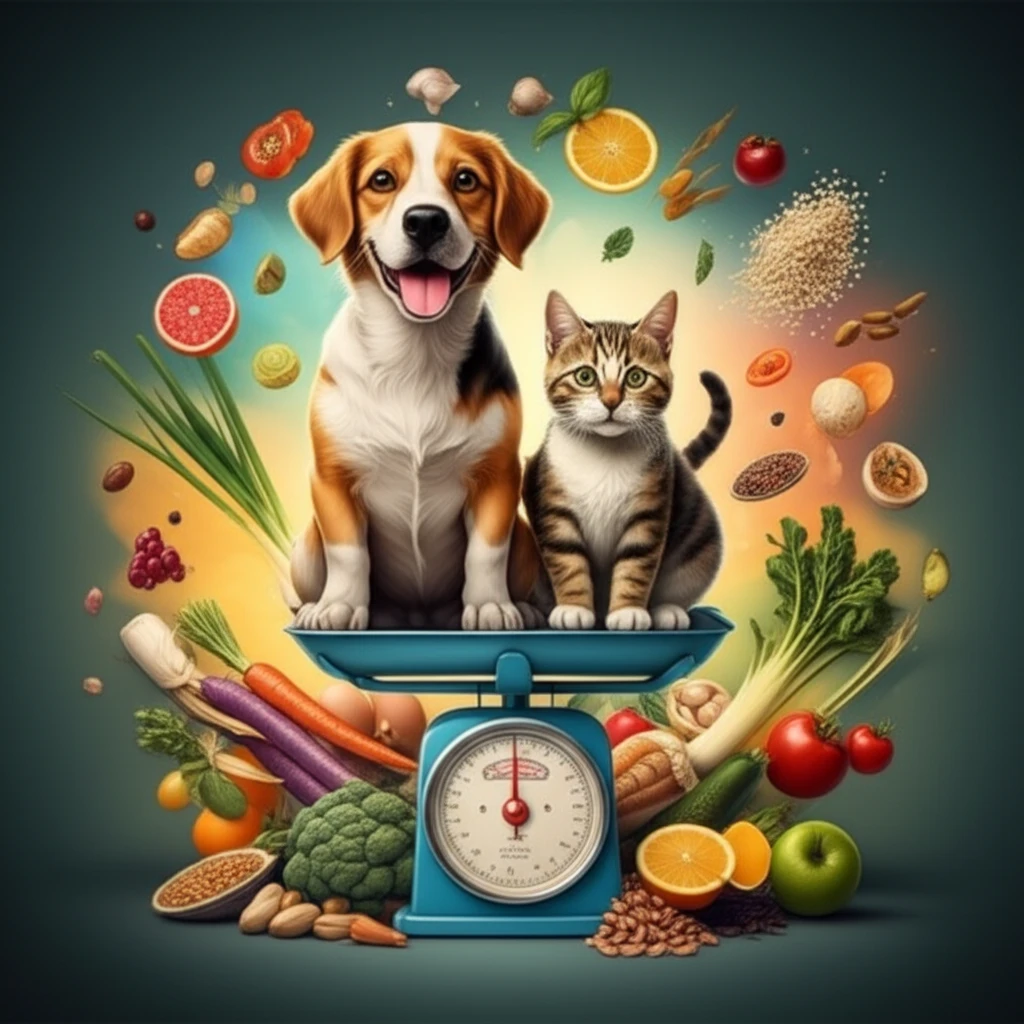
Unlock Your Pet's Weight Loss Potential: New Strategies for Canine and Feline Health

"Combatting obesity in dogs and cats requires a multi-faceted approach. Discover innovative techniques and nutritional insights for effective weight management."
Obesity represents a significant health challenge for both canine and feline populations, predisposing them to various health complications that negatively impact their quality of life and shorten their lifespan. The prevalence of companion animal obesity in Western countries continues to rise, with over 50% of pets already classified as overweight or obese. Addressing this issue is crucial for ensuring the health and longevity of our beloved companions.
Weight reduction is frequently advised for overweight dogs and cats; however, current weight loss programs often yield disappointing results and carry inherent risks. A primary obstacle in veterinary practice is accurately assessing and identifying overweight and obese animals. Many pet owners underestimate their pet's body condition and overestimate their activity levels, complicating effective communication and intervention.
This article examines different protocols and technologies employed to assist pets in losing weight, alongside nutritional strategies, and new insights into the role of fermented pea starch in pet diets. It provides a comprehensive overview for pet owners and veterinary professionals seeking to address obesity and improve the overall health of their patients.
Scope of the Problem
Pet obesity is widely recognized as a significant and growing health issue, though precise current statistics can vary by study and region. The condition is associated with a range of negative health outcomes for companion animals. Awareness and prevention are considered critical first steps in addressing this widespread nutritional disorder.
Guidelines and Owner Awareness Gaps
Veterinary guidelines, such as the 2014 AAHA Weight Management Guidelines, aim to raise awareness of excess weight's health consequences and provide tools for management. However, a significant gap exists between clinical recommendations and owner recognition, as one source notes that 59% of US dogs are overweight and most owners don't know it. This lack of owner awareness is cited as a key factor contributing to the complexity of obesity in pets.
Foundational Understanding
The understanding of pet obesity as a complex disease with multifactorial causes, including owner behavior and physiological factors, has developed over time. Foundational research established the links between excess weight and serious conditions like osteoarthritis and diabetes. These early insights formed the basis for modern veterinary nutrition and weight management protocols.
Effective Weight Management Strategies for Pets
Veterinary teams often struggle to communicate the risks of overweight and obesity to pet owners and may lack the necessary tools for assessing body weight, body condition score, muscle condition score, and morphometry accurately. Moreover, the existing tools are not always validated for growing pets. The rise in spay/neuter practices further increases the risk of fat deposition, making this population particularly vulnerable to weight gain early in life. Veterinary teams need better strategies for addressing these challenges in clinical practice.
- Assessment and Identification: Accurately evaluate body condition using validated scoring systems.
- Communication: Clearly convey the health risks of obesity to pet owners.
- Nutritional Strategies: Develop customized diet plans considering individual pet needs and activity levels.
- Exercise: Incorporate regular physical activity to promote calorie burning and muscle development.
- Monitoring: Track progress and adjust plans as needed based on individual responses.
Recent Data on Prevalence and Outcomes
Epidemiological data, including a 2025 study, continues to document the scale of overweight and obesity in pets, with a noted gap in information for growing and young animals. A major 2026 editorial reinforces that treating pet obesity requires a multifaceted approach, with advances providing evidence-based tools for veterinarians. Despite this, recent survey results from the Association for Pet Obesity Prevention (APOP) indicate that only 1 in 4 dog owners and fewer than 1 in 5 cat owners reported their pet reached and maintained a healthy weight.
Challenges in Weight Loss Outcomes
Evidence indicates that weight loss outcomes are often poor, with a 2023 study finding that approximately half of pets at a specialist clinic had class II obesity (>40% overweight), for which outcomes are worse. Research into factors for failure shows that managing canine weight loss programs encounters significant difficulties with current recommendation strategies. Furthermore, despite scientific interest, the prevalence of obesity continues to increase and shows no signs of abating.
Human-Pet Links and Alternative Interventions
A One Health perspective explores the correlation between dog and owner obesity, suggesting potential for integrated prevention strategies. While pharmaceutical options like GLP-1 medications receive attention, a broader landscape of weight management solutions beyond pharmaceuticals is discussed. Statistics show the scale of the issue, with more than 60% of American dogs and 56% of cats carrying dangerous excess weight.
The Future of Pet Weight Management
Current weight loss programs often yield disappointing results and are not without risks. Further research is needed to develop more effective and safer strategies for managing pet obesity. This includes investigating optimal macronutrient ratios, the role of specific ingredients like fermented pea starch, and the long-term effects of weight loss interventions on overall health.
Assessment and Owner Engagement
Comprehensive reviews synthesize knowledge on predisposing factors and assessment methods for canine obesity. Survey data shows pet owners are interested in treating obesity, with over 60% of dog owners attempting to help their pets lose weight. However, significant gaps remain in practical literacy, such as Body Condition Score (BCS) assessment, which affects clinical communication and outcomes.
Market Growth and Evolving Solutions
The pet obesity management market is projected to experience sustained growth, driven by technological innovation and increasing health awareness. Dogs are noted to contribute approximately 58% of animal-type demand within this market due to higher ownership rates. This growth encompasses specialized diets, supplements, and fitness tracking devices as solutions to the rising obesity issue.
Impact on Welfare and Quality of Life
Overweight and obesity are common conditions in veterinary practice that negatively impact animal welfare. Obesity is particularly associated with both reduced quality and quantity of life in dogs and cats. The condition fundamentally stems from a chronic positive energy balance and is typically viewed as a nutritional disorder requiring management.
Owner Influence and Daily Management
The daily management of a pet's weight is deeply influenced by owner behavior, understanding, and commitment. Success often hinges on consistent application of dietary and activity recommendations within the home environment. This human factor remains a central, if challenging, component of effective long-term weight management for companion animals.
An integrated approach that combines accurate assessment, effective communication, customized diet plans, and regular exercise is essential for successful weight management in pets. By addressing the coexisting challenges and staying informed about the latest research, veterinary professionals and pet owners can work together to combat obesity and improve the well-being of their canine and feline companions.
As awareness of pet obesity grows, ongoing research and collaboration within the veterinary and nutritional fields are crucial. Future studies should focus on refining weight loss protocols, identifying novel dietary components, and developing practical tools for pet owners to promote and maintain a healthy weight for their beloved animals, leading to longer, happier lives.