
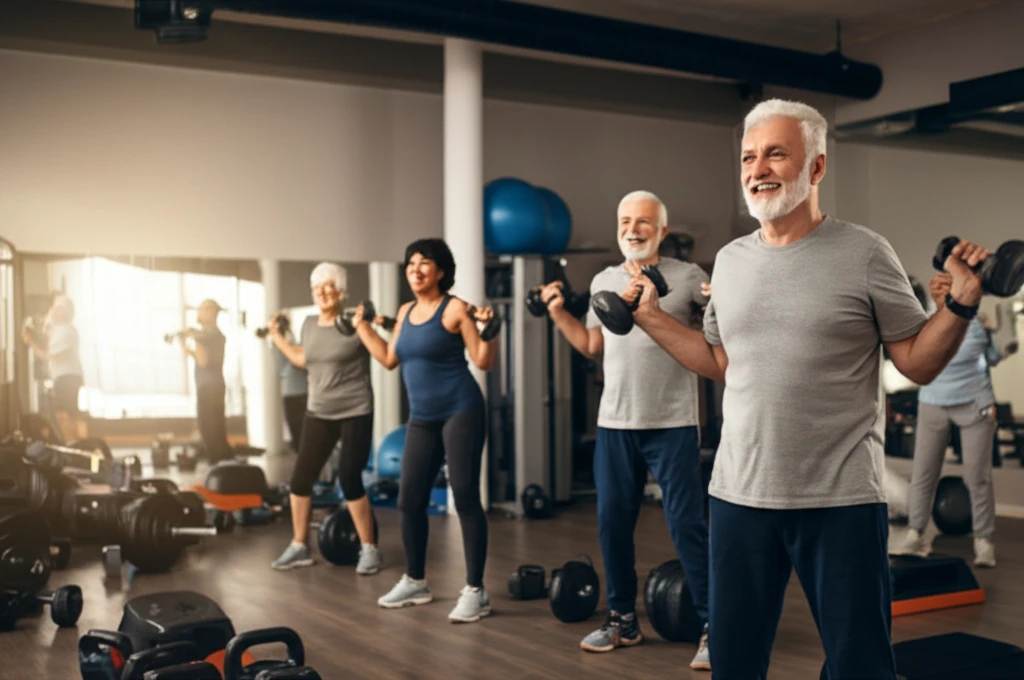
Unlock Your Ageless Strength: The Ultimate Guide to Exercise Frequency for Seniors

"Discover the ideal strength training frequency to maximize muscle strength, mobility, and overall well-being as you age, and how to incorporate this into your health and wellness routine."
As we age, maintaining physical strength and overall wellness becomes increasingly crucial. Strength training is often recommended as a powerful tool to combat the effects of aging, helping to preserve muscle mass, enhance functional capacity, and promote independence. But how often should seniors engage in strength training to reap the most benefits? This question has sparked considerable debate and research, with varying recommendations from different health organizations and fitness experts.
Navigating the complexities of exercise frequency can be particularly challenging for older adults who may have unique health considerations, fitness levels, and lifestyle factors. While some guidelines suggest training multiple times per week, the optimal frequency may depend on individual needs and goals. It's essential to understand the science behind strength training and how it impacts the aging body to make informed decisions about exercise routines.
This comprehensive guide aims to shed light on the ideal strength training frequency for seniors, drawing on the latest research and expert insights. We'll explore the effects of different training frequencies on muscle strength, balance, mobility, and overall well-being. Whether you're a seasoned athlete or just starting your fitness journey, this guide will equip you with the knowledge and tools to design an effective and sustainable strength training program that empowers you to thrive in your golden years.
Exercise Frequency Shapes Daily Life in Older Adults
The Understanding Society study shows that exercise type and frequency jointly shape population-average trajectories of daily activity limitations in older adults, distinguishing exercisers from non-exercisers. This reinforces that how often seniors train directly influences their ability to perform everyday activities, grounding the case for intentional exercise frequency.
Strength Training as the Standard for Senior Fitness
Standard senior fitness guidance centers on effective strength workouts to maintain independence and improve quality of life, building muscle, supporting joints, increasing bone density, and boosting metabolism. Bodyweight exercises are likewise described as invaluable for older adults because they build the functional strength needed for daily activities. However, general programs rarely address how frequently these workouts should be performed to achieve those outcomes.
From Core Exercises to Ageless Strength Guides
Publications such as the 'Workouts for Men and Women Over 60' book series and guides like 'Core Exercises for Seniors' popularized the idea that seniors can unlock ageless strength and vitality through targeted exercise. Bodyweight-focused resources extended this approach by framing functional strength as essential for an active, healthier lifestyle in later years. These foundational resources helped establish strength training as a mainstream strategy for aging well.
Decoding the Optimal Exercise Frequency
A study published in Experimental Gerontology sought to determine the impact of different strength training frequencies on maximum strength, body composition, and functional capacity in healthy older adults. Researchers randomly assigned 106 volunteers aged 64-75 to one of four groups: strength training one (EX1), two (EX2), or three (EX3) times per week, and a non-training control (CON) group. The participants engaged in whole-body strength training using 2-5 sets and 4-12 repetitions per exercise, performing 7-9 exercises per session.
New Evidence Links Frequency to Bone Density and Mobility
A recent network meta-analysis in PubMed evaluated how different resistance training intensities and frequencies affect bone mineral density in middle-aged and older adults, aiming to identify the optimal prescription. Alongside this, the Understanding Society research found that exercise type and frequency jointly influence trajectories of daily activity limitations in older adults. Together these studies point to frequency as a key, research-backed variable in senior programming.
Not All Seniors Benefit Equally from Generic Plans
The Understanding Society findings note that exercise type and frequency jointly shape outcomes, implying that a one-size-fits-all frequency can fall short for non-exercisers or those with specific limitations. For older adults managing conditions like osteoporosis, weightlifting must be approached with safe lifting tips to enhance balance and strength without risking injury. This highlights the failure of prescribing frequency without accounting for individual health status.
Type vs. Frequency: Two Sides of the Same Prescription
The Understanding Society study demonstrates that exercise type and frequency jointly shape population-average trajectories of daily activity limitations, meaning neither variable alone fully explains outcomes. Similarly, the network meta-analysis on bone mineral density compares intensities and frequencies to find the optimal resistance strategy. Bodyweight routines and resistance band work offer alternative types, suggesting the ideal program balances the right movement type with a sustainable frequency.
- Dose-Response in Strength: There's a clear relationship between training frequency and dynamic strength gains.
- Functional Improvements: Even low-frequency training (1-2 times per week) can boost functional capacity.
- Body Composition: The study didn't find significant body composition changes.
- Machine-Based Training: The benefits found were largely from using machine weight-training.
Embrace a Stronger, More Active Future
The evidence suggests that strength training offers remarkable benefits for older adults. Whether you choose to train once, twice, or three times per week, incorporating regular strength exercises into your routine can enhance your strength, mobility, and overall quality of life. Remember to consult with your healthcare provider or a qualified fitness professional to develop a personalized exercise plan that aligns with your unique needs and goals. Embrace the journey to a stronger, more active future, and unlock your ageless potential through the power of strength training.
Frequency Is the Missing Variable in Ageless Strength
Across the source material, effective strength workouts are described as vital for maintaining independence, supporting joints, increasing bone density, and boosting metabolism. Research adds that exercise type and frequency jointly shape how daily activity limitations evolve in older adults. Synthesized, this suggests that unlocking ageless strength depends as much on how often seniors train as on which exercises they choose.
Toward Personalized Frequency Prescriptions
Ongoing research, such as the network meta-analysis on resistance training frequency and bone mineral density, is moving toward identifying optimal prescriptions for middle-aged and older adults. Future guidance will likely tailor frequency recommendations to individual goals, such as bone health, balance, or daily function. Accessible tools like resistance band programs may also expand how frequently seniors can safely train at home.
Making Regular Training Accessible for Older Adults
While strength workouts are widely recommended for seniors, resources also emphasize practical options like bodyweight exercises and seated resistance band routines to fit different ability levels. For seniors with conditions such as osteoporosis, the need for safe lifting guidance adds complexity to frequency recommendations. Bridging general guidance with accessible programming remains a central challenge for senior fitness.
Regaining Vitality and Independence at Any Age
Guides in the 'Workouts for Men and Women Over 60' series frame the goal as regaining the vitality of youth and embracing a healthier, more active lifestyle in the golden years. Bodyweight exercise resources echo this by linking functional strength to the ease of performing daily activities. For many older adults, consistent training translates directly into greater independence and quality of life.