
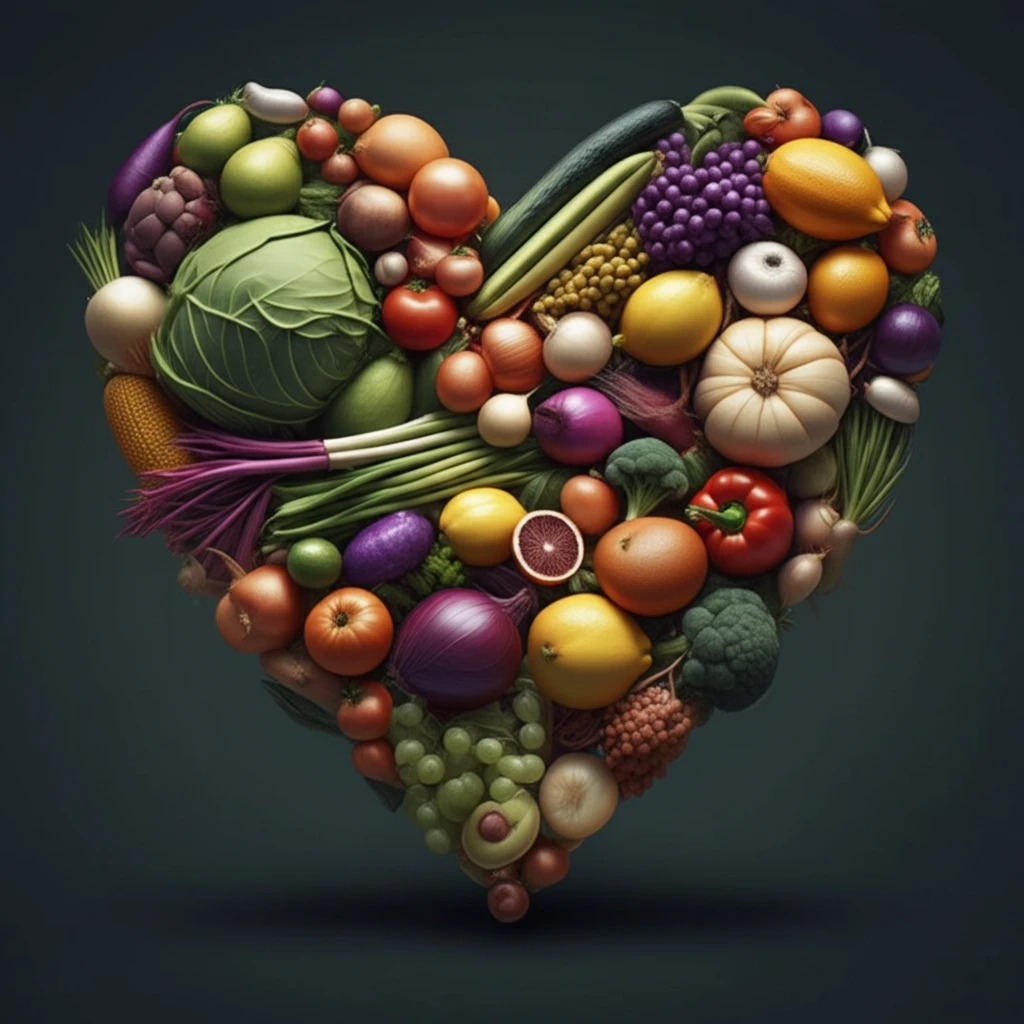
Unlock the Power of Produce: How Fruits and Vegetables are Revolutionizing Health and Wellness

"Dive into the science behind nature's superfoods and discover how incorporating more fruits and vegetables into your diet can transform your health, energy levels, and overall well-being."
In a world increasingly focused on health and wellness, the significance of fruits and vegetables cannot be overstated. These natural treasures are not just colorful additions to our plates; they are packed with essential nutrients that fuel our bodies, protect us from diseases, and enhance our overall quality of life. From the crunch of a crisp apple to the vibrant hues of a mixed salad, each bite offers a wealth of benefits supported by scientific research and nutritional wisdom.
This article delves into the fascinating world of fruits and vegetables, exploring their profound impact on human health, their biochemical intricacies, and the latest research shaping our understanding of their value. Whether you're a health enthusiast, a culinary adventurer, or simply someone looking to make informed dietary choices, prepare to discover how these incredible foods can transform your life.
The journey from farm to table involves a complex interplay of biology, technology, and environmental factors. Understanding these processes allows us to maximize the nutritional benefits of our produce and minimize waste, ensuring that we reap the full potential of nature's bounty.
Produce at the Center of Modern Health
Fruits and vegetables have become central to the health and wellness conversation, with searches for their health benefits rising across platforms like Pinterest and TikTok. Popular guidance emphasizes that the body needs vitamins every single day and that real food—rather than supplements—is the best source of Vitamin A, B, C, D, E, and K to support energy, immunity, skin, eyes, and overall well-being. The growing interest reflects a broader movement toward food as a foundation of daily health.
The Half-Plate Rule and Its Limits
The standard guidance, as captured by Harvard's Healthy Eating Plate, is to make vegetables and fruits about half of every meal, aiming for color and variety across your choices. However, the approach has limitations: potatoes do not count as vegetables on the plate because of their effect on blood sugar, and no single fruit or vegetable provides all the nutrients a body needs. This means a diverse mix of produce is required rather than relying on any one food.
Foundations of Produce-Based Healing
The healing power of plants is a recurring theme in nutrition history, most recently explored in Dr. Thomas Li's work on fruits and vegetables. A chapter of his book explains how the use of vegetables and fruits can protect or improve human health, emphasizing the importance of a diverse diet. That foundational insight—that food itself can be medicine—continues to shape how wellness is approached today.
The Science of Superfoods: How Fruits and Vegetables Boost Your Health
Fruits and vegetables are nutritional powerhouses, brimming with vitamins, minerals, antioxidants, and fiber. These components work synergistically to support various bodily functions, protect against chronic diseases, and promote overall well-being. The key lies in their rich composition of phytochemicals – bioactive compounds that offer a range of health benefits.
- Antioxidants: Fight free radicals and reduce cellular damage.
- Fiber: Promotes digestive health and regulates blood sugar levels.
- Vitamins and Minerals: Support immune function and overall vitality.
- Phytochemicals: Offer disease-preventive properties, protecting against chronic ailments.
New Research on Plant-Based Healing
Recent research, such as that presented by Dr. Thomas Li, reinforces that vegetables and fruits can protect or improve human health through a diverse, plant-forward diet. At the same time, the health and wellness industry is being transformed by trends ranging from artificial intelligence in healthcare to a growing emphasis on holistic development. These developments suggest that evidence about produce is increasingly paired with new tools for delivering wellness to more people.
Where Produce Advice Falls Short
Even well-meaning produce guidance has its caveats. The Healthy Eating Plate deliberately excludes potatoes from its vegetable category, highlighting that not everything plant-based is equally beneficial. Similarly, experts caution that no single vegetable or fruit provides all the nutrients required, so an over-reliance on one 'superfood' rather than variety can leave dietary gaps.
Comparing the Best Produce Choices
Rankings such as Good Housekeeping's list of the 15 healthiest vegetables help consumers identify the most nutrient-dense options to eat daily, while Real Simple's roundup of the 30 healthiest foods notes that certain produce retains its health benefits through cooking and preparation. Alongside these rankings, ingredient-specific advice like the Johns Hopkins dietitian's guidance on turmeric shows how individual foods can offer distinct benefits and that best-incorporation methods matter. Together, they make clear that some fruits and vegetables outperform others and that how you prepare them affects the payoff.
Embrace the Power of Produce for a Healthier You
In conclusion, fruits and vegetables are indispensable for human health and wellness. Their rich nutritional profile, combined with their disease-preventive properties, makes them essential components of a balanced diet. By understanding the science behind these superfoods and making conscious dietary choices, you can unlock the power of produce and embark on a journey towards a healthier, happier life.
Experts Agree: Diversity Beats Any Single Food
Experts across sources converge on a single message: variety in produce is the key to health. As Dr. Li emphasizes, no single vegetable or fruit provides all the nutrients, so a diverse diet is essential for protection and improvement of health. Dietitian commentary, such as that on turmeric at Johns Hopkins Medicine, adds practical detail on how to best incorporate specific foods into daily eating.
Technology Meets Whole-Food Wellness
The future of produce-focused health is likely to be shaped by technology, with artificial intelligence in healthcare among the forces driving rapid transformation in the wellness industry. A growing emphasis on holistic development suggests fruits and vegetables will play an even larger role within broader health strategies rather than being treated as isolated nutrients. This convergence points to smarter, more personalized ways of encouraging daily produce consumption.
Making Produce a Systemic Priority
Bringing the benefits of produce to everyone requires more than individual choice, as the wellness industry undergoes rapid transformation toward holistic approaches. Practical guidance exists—like filling half the plate with vegetables and fruit while remembering that potatoes don't count—but access, education, and habit formation remain structural hurdles. Closing the gap between knowing and doing is the ongoing challenge for the health and wellness field.
Small Habits, Everyday Impact
At its core, the produce movement is about everyday habits that shape daily life, from a child learning fruit and vegetable names to adults choosing colorful options for every meal. The body needs vitamins every single day, and real food remains the best source for supporting energy, immunity, skin, and eyes. Even simple practices—like adding one new vegetable each week—reflect the intention that has the power to change your life, one meal at a time.