
Understanding Achalasia: Incidence, Symptoms, and Modern Treatments

"New research sheds light on the prevalence and management of achalasia, offering hope for those affected by this rare esophageal disorder."
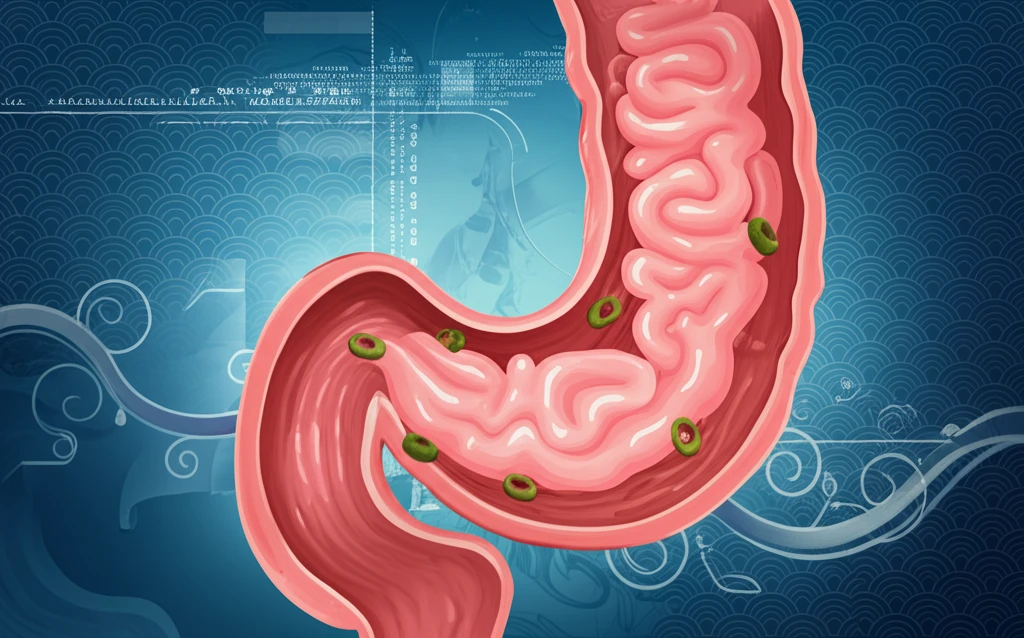
Achalasia is a rare and often misunderstood disorder that affects the esophagus, the tube that carries food from your mouth to your stomach. Characterized by the absence of peristalsis (the coordinated muscle contractions that move food along) and impaired relaxation of the lower esophageal sphincter (LES), achalasia can make eating and drinking a challenging and uncomfortable experience.
While the exact cause of achalasia remains elusive, scientists believe it involves a combination of factors, including the loss of ganglion cells in the myenteric plexus, the nerve network controlling esophageal muscle function. This loss is thought to stem from inflammatory or neurodegenerative processes, possibly triggered by viral infections or autoimmune reactions. Understanding the triggers and mechanisms behind achalasia is crucial for developing effective treatments and potentially even preventive strategies.
Worldwide, achalasia affects approximately 10 out of every 100,000 people, with fewer than 1 in 100,000 newly diagnosed each year. Because of its rarity, epidemiological information is limited, and studies often rely on local hospital records, primarily in Western countries. Recent research from Korea, leveraging a comprehensive national healthcare database, provides valuable insights into the epidemiology and treatment patterns of achalasia in a more genetically homogenous population.
A Rare Disorder of the Esophagus
Achalasia is a rare esophageal disorder characterized by the inability of the lower esophageal sphincter (LES) to relax, which hinders the passage of food into the stomach. It occurs when the lower esophageal sphincter does not work properly, so the condition has a direct and persistent impact on swallowing and everyday eating. Understanding how achalasia symptoms evolve is key to managing the condition and improving the life quality of those affected.
Managing Symptoms Through Modern Interventions
Modern medical interventions provide effective ways to manage the condition and improve daily comfort, and treatment can include surgery alongside other approaches. Symptoms such as trouble swallowing, heartburn, and chest pain may be addressed, yet the condition can still cause complications like aspiration pneumonia. Because early detection and treatment are critical in managing achalasia, the standard approach emphasizes prompt diagnosis and ongoing care.
A Foundation Built on Understanding the Esophagus
Foundational understanding of achalasia rests on the discovery that the lower esophageal sphincter fails to relax, blocking the passage of food. Achalasia is thought to happen when the nerves in the esophagus become damaged and stop working properly, which is why the muscles and ring of muscle do not work. This nerve-related insight continues to shape how the condition is understood, diagnosed, and treated today.
Key Findings from the Korean Study
A groundbreaking study utilizing Korea's national healthcare database has illuminated key aspects of achalasia within the Korean population. This research identified 3,105 patients diagnosed with achalasia between 2007 and 2011, revealing a prevalence of 6.29 cases per 100,000 individuals. In 2011 alone, 191 new cases were identified, translating to an incidence rate of 0.39 per 100,000 people. These figures offer a crucial snapshot of the disease's presence and spread within the country.
- Prevalence: 6.29 cases per 100,000 individuals.
- Incidence: 0.39 new cases per 100,000 people annually.
- Age Distribution: More prevalent in individuals over 50.
- Treatment Modalities: Predominantly pneumatic balloon dilation.
Deepening Understanding of Causes and Treatments
Recent reviews focus on the causes, symptoms, and diagnosis of achalasia, explaining that it occurs when the lower esophageal sphincter does not work properly. Achalasia is also studied within the wider field of esophageal disorders, which keep the esophagus from working as it should. Researchers continue to examine how early detection and treatment can improve outcomes and the life quality of those affected.
Recognizing Complications and Limitations
Despite available treatments, achalasia carries risks of serious complications such as aspiration pneumonia. Even with surgery and other interventions, managing trouble swallowing, heartburn, and chest pain can remain challenging for patients. These limitations highlight why anyone experiencing symptoms is encouraged to seek specialist evaluation rather than accept persistent discomfort.
Achalasia Among Other Esophageal Conditions
Within the broader category of esophageal disorders, GERD is the most common, while achalasia is comparatively rare and defined by the failure of the lower esophageal sphincter to relax. Achalasia shares some overlapping symptoms with related conditions such as hiatal hernias, including bloating, belching, and shortness of breath after eating. Distinguishing these disorders matters because each affects the esophagus differently and calls for different management.
Implications and Future Directions
This study offers valuable insights into the epidemiology of achalasia in Korea, highlighting its incidence, demographic features, and preferred treatment modalities. The findings suggest that treatment strategies in Korea may differ from those in Western countries, with a stronger emphasis on pneumatic balloon dilation. Further research is needed to explore the reasons behind these differences and to optimize treatment outcomes for patients with achalasia worldwide. By continuing to investigate the causes, risk factors, and optimal management approaches for achalasia, we can improve the quality of life for those affected by this challenging condition.
Early Detection as the Critical Step
Expert guidance consistently emphasizes that early detection and treatment are critical in managing achalasia. Understanding how symptoms evolve is key, since the most common presenting feature is dysphagia, which affects solids more than soft food or liquids. Timely recognition allows patients to access modern interventions that improve daily comfort and overall quality of life.
Toward Greater Daily Comfort
Modern medical interventions now provide effective ways to manage achalasia and improve daily comfort, signaling steady progress in treatment. As understanding of the condition deepens, ongoing research continues to refine both surgical and non-surgical options. The outlook for patients centers on earlier diagnosis and more tailored approaches to symptom relief.
A Wider Landscape of Esophageal Disease
Esophageal diseases can derive from congenital conditions or be acquired later in life, placing achalasia within a broader spectrum of disorders. Because esophageal disorders keep the esophagus from working as it should, access to specialist care is important for accurate diagnosis. This wider context underscores the need for awareness so that rare conditions like achalasia are not overlooked.
Life With Achalasia
For those affected, achalasia turns everyday eating into a challenge, with symptoms that may include bloating, belching, and shortness of breath after eating. Difficulty swallowing, heartburn, and chest pain can interfere with meals and quality of life. This real-world impact is why managing the condition goes beyond treatment, focusing on improving the daily comfort of those living with it.