
Troubled Waters: Can Hormones Rescue Rainbow Trout from Climate Stress?

"Explore how a synthetic hormone analog, surfagon, could help rainbow trout juveniles survive rising water temperatures and other environmental challenges."
The reproductive success of fish is often a bellwether of environmental health, quickly reflecting any deteriorations in their habitat. Rainbow trout, a species already facing numerous challenges, are particularly vulnerable to environmental stressors such as rising temperatures, dwindling oxygen levels, and unnatural lighting conditions. These factors can significantly disrupt their development, leading to tissue abnormalities and reduced fertility.
One of the most alarming of these stressors is rising water temperatures. While research has extensively covered the long-term effects of prolonged temperature increases on fish, the immediate impacts of brief spikes in temperature remain less understood. This has sparked critical questions about whether external hormonal interventions can alleviate the stress experienced by these aquatic creatures.
Surfagon, a synthetic analog of gonadotropin-releasing hormone (GnRH), presents a promising avenue for investigation. Known for stimulating the release of key reproductive hormones, surfagon’s potential to mitigate temperature stress in fish could revolutionize aquaculture practices and conservation efforts.
Rainbow Trout by the Numbers
Rainbow trout stocking and catch data reveal variable return rates depending on fishing ground type. In Greece's Aoos, Voidomatis and Sarantaporos rivers, surveys found Oncorhynchus mykiss in very low numbers with limited distribution, reflecting threats from climate change and fish farming pressure. Anglers' catch analyses evaluate the time period between stocking and catch and rates of return across differently managed fishing grounds, providing essential baseline data for understanding population trends.
Temperature Sensitivity and Stocking Practices
Water temperature is one of the most critical factors in trout management, influencing survival, feeding behavior and whether fishing should continue at all. Rainbow trout typically spawn in spring, when their coloration becomes more vibrant and behavior shifts — factors that affect both their biology and angling approaches. In states like Oklahoma, rainbow trout are stocked approximately every two weeks at designated trout areas, representing a widely used put-and-take management model with inherent limitations in sustainability.
From Native Streams to Global Icon
Rainbow trout are native to Western North America, with populations ranging from southern California to Alaska. The species was introduced to Europe in the late 1800s and later spread worldwide through extensive stocking efforts, making it one of the most widely distributed trout species on the planet. This global expansion has transformed rainbow trout into both a prized sporting fish and, in some regions, a non-native ecological concern.
Surfagon's Impact on Rainbow Trout Under Temperature Stress
A recent study published in the Journal of Ichthyology delved into the regulatory effects of surfagon on juvenile rainbow trout subjected to brief periods of heat stress. Conducted over several months, the experiment meticulously examined how surfagon injections influenced the gonadal development of trout exposed to elevated water temperatures. The central aim was to assess whether surfagon could counteract the adverse effects of temperature stress on these sensitive organisms.
- Analyzing cellular changes in the gonads.
- Comparing the gonadal development between the control and experimental groups.
- Identifying structural anomalies and tissue damage.
Sympatric Diversification and Life-Form Complexity
While the differentiation of resident and anadromous rainbow trout forms is well-studied, comparatively little research has focused on the lake-migrant form that co-occurs with fluvial trout. Recent work examining the relationship between lake-dwelling and river-dwelling populations provides first evidence for sympatric diversification in Asian rainbow trout, suggesting more complex evolutionary dynamics than previously understood. These findings open new questions about how environmental pressures drive divergent life strategies within single populations.
The Stocking Debate and Conservation Tensions
Critics of trout stocking programs in Pennsylvania have characterized them as akin to using taxpayer dollars to spread invasive species like lanternflies, arguing the practice can harm native ecosystems. Studies show rainbow trout compete less directly with brook trout than brown trout do, though direct competition still occurs in some areas such as Big Spring in Cumberland County. Meanwhile, Canada's recovery strategy for Athabasca rainbow trout identifies critical habitat to the extent possible using best available information to support life-cycle processes and population objectives.
Nutritional and Biological Distinctions
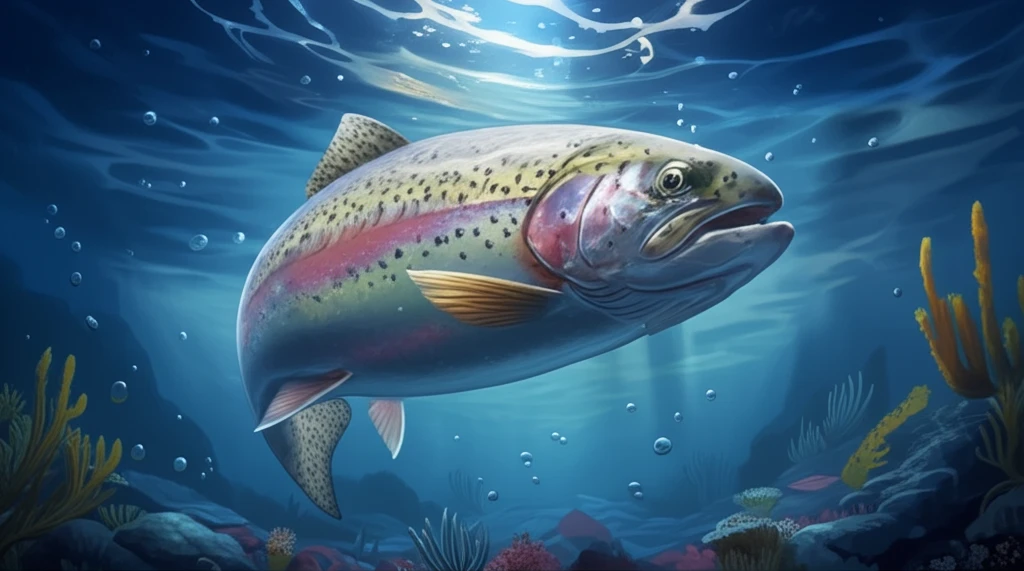
Rainbow trout and mahimahi differ substantially in their mineral profiles, with each species offering distinct nutritional advantages that matter for aquaculture and consumer choice. Rainbow trout can grow up to 24 inches in length and are distinguished by their vibrant rainbow-hued bodies with black spots and a distinctive pink stripe. Steelhead trout — the anadromous form of rainbow trout — represent the same species yet differ significantly in size and life history, leading many anglers and consumers to question which form is superior for various purposes.
Implications and Future Directions
This research highlights the potential of hormonal interventions like surfagon in managing the impacts of climate change on fish populations. As water temperatures continue to rise globally, strategies to protect and sustain aquatic species are becoming increasingly crucial. Surfagon offers a promising tool for aquaculture, potentially enhancing the resilience and reproductive success of farmed fish under stressful environmental conditions. It’s essential to remember that while surfagon shows promise, further research is needed to fully understand its long-term effects and optimize its application in different contexts. Further studies should also explore its impact on other fish species and investigate potential ecological implications.
From Bait to Plate: Expert Guidance
Expert fishing guides recommend the Upper Colorado River near Granby as an excellent location for both nymph and dry fly fishing for rainbow trout. Successful angling requires understanding seasonal behavior changes and matching presentations to current conditions. Small river trout fishing can produce consistent bites on every cast when the right rigs and baits — including power eggs and inline spinners in sizes #00, #0 and #1 — are deployed on ultralight spinning combos.
Molecular Insights and Stocking Innovations
Research on social status in juvenile rainbow trout has revealed that dominance hierarchies are linked to specific changes in hepatic energy metabolism of all major macronutrients, with miRNAome regulation playing a key role. State agencies are adapting stocking strategies to changing conditions — Texas plans to stock 342,373 rainbow trout from November through March, while Nebraska is shifting toward releasing larger fish near or exceeding 12 inches in size. These molecular and management advances point toward more targeted, biologically informed approaches to rainbow trout conservation and aquaculture.
Diet, Pigmentation and Aquaculture Trade-Offs
A recent study in the International Journal of Molecular Sciences investigated how high dietary plant protein affects astaxanthin pigmentation in rainbow trout — a key quality trait in aquaculture. Astaxanthin gives rainbow trout their distinctive coloration, and plant-based protein substitution in feeds can impair this process, creating economic and biological trade-offs for producers. These findings highlight the broader systemic challenge of balancing sustainable feed alternatives with the visual and nutritional qualities consumers expect from farmed rainbow trout.
Disease, Health Monitoring and Industry Resilience
Chilean-led research has identified more than 4,000 regulatory molecules involved in the salmonid response to Salmonid Rickettsial Septicaemia, potentially advancing infection treatment across the salmon industry. Studies of rainbow trout with Rainbow Trout Gill Erosion have documented gross, histological and blood biochemical changes across hundreds of fish sampled from multiple UK sites, providing baseline health data for disease monitoring. Understanding these pathological responses at the molecular level is essential for protecting both wild and farmed populations as climate stress intensifies.