
The Unsung Hero of Healthy Aging: How One-Carbon Metabolism Can Change Your Life

"Unlock the secrets to longevity and vitality with one-carbon metabolism: the nutrient pathway you've likely never heard of."
In the quest for a longer, healthier life, we often focus on popular trends like exercise and superfoods. However, a lesser-known biochemical network called one-carbon metabolism may hold the key to unlocking true longevity and vitality. This intricate pathway influences everything from DNA repair to energy production, impacting how we age at a cellular level.
One-carbon metabolism is essentially a series of chemical reactions that manage and distribute one-carbon units (think of them as tiny building blocks) throughout your body. These units are crucial for essential processes like creating nucleotides (the foundation of DNA), modifying DNA and proteins (a process called methylation), and neutralizing harmful toxins. When this system functions optimally, it supports overall health and resilience.
The exciting part? You can directly influence your one-carbon metabolism through diet and lifestyle. By understanding the key nutrients involved and how they interact with your genes, you can make informed choices to potentially slow down the aging process and protect against age-related diseases.
The Critical Role of One-Carbon Metabolism in DNA and Cellular Health
One-carbon metabolism plays a critical role in both DNA methylation and DNA synthesis, fundamental processes that underpin cellular function and aging. Metabolic reprogramming within this pathway is increasingly recognized as a key factor in health and disease. Many enzymes in one-carbon metabolism are up- or down-regulated by sex hormones, which vary diurnally and throughout the menstrual cycle, highlighting its dynamic nature. Additionally, specific enzymes like ALDH1L1 influence mitochondrial metabolism through serine depletion, contributing to tumor suppression.
Conventional Approaches and Their Inherent Limitations
The conventional approach to studying one-carbon metabolism often involves investigating individual components, which may be insufficient given the pathway's complexity. Epidemiological studies have explored links between one-carbon metabolism and diseases like breast cancer, but results can be inconclusive. Standard methods for examining water and other substances are not directly applicable to metabolic pathway analysis. Therefore, integrated methods that consider the interplay of multiple components are needed.
Foundational Discoveries in One-Carbon Metabolism
One-carbon metabolism is mediated by the folate cofactor and supports multiple physiological processes, including biosynthesis of purines and thymidine, amino acid homeostasis, epigenetic maintenance, and redox defense. The pathway comprises the methionine cycle and the folate cycle, with various interconnected reactions regulated by folate and the related B-vitamin, B12. These foundational aspects were established through early research that mapped the transfer of one-carbon units in the form of methyl groups. The location of these reactions within cellular compartments, particularly mitochondria, was also elucidated.
Decoding One-Carbon Metabolism: Your Body's Hidden Engine
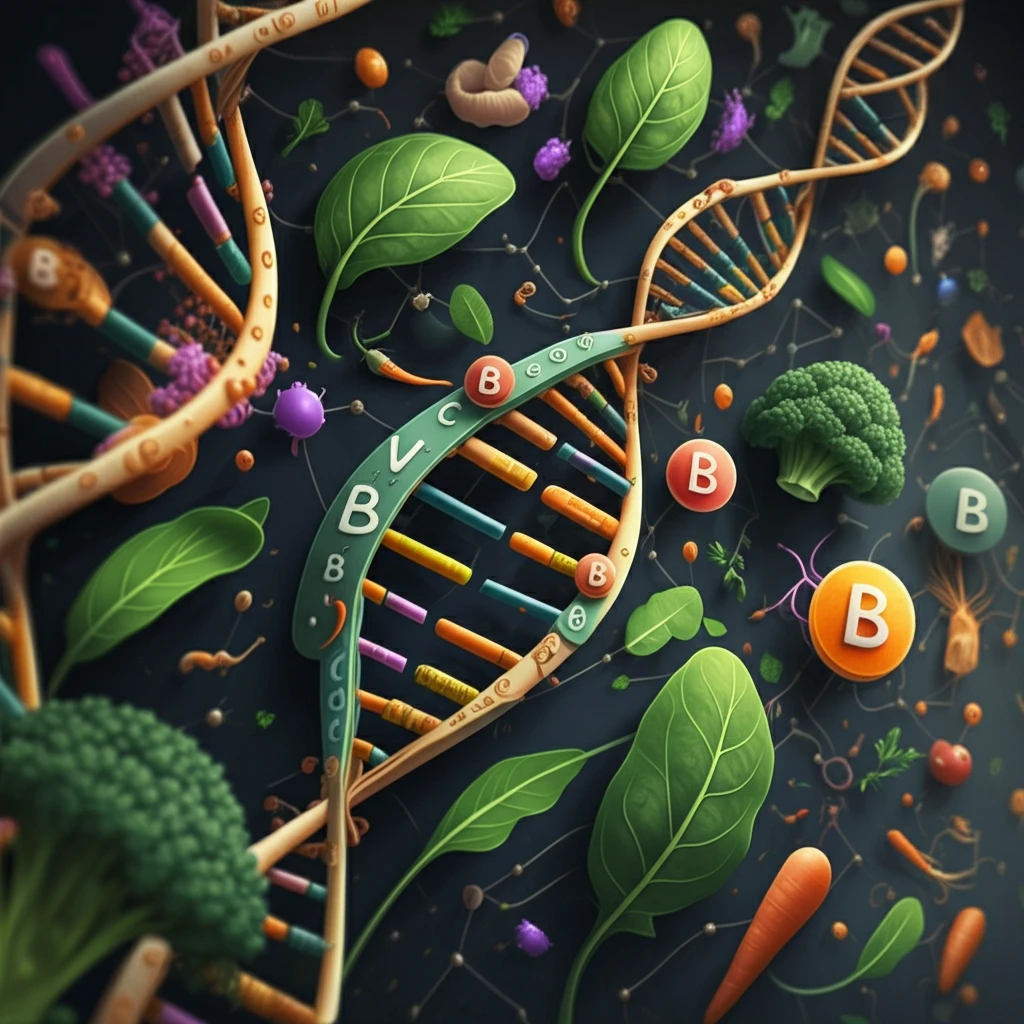
At its core, one-carbon metabolism relies on a team of essential nutrients, primarily water-soluble B vitamins (folate, B6, B12, and B2), as well as methionine, choline, betaine, serine, and glycine. These nutrients act as fuel and co-factors, driving the reactions within the pathway. Imagine a complex Rube Goldberg machine where each nutrient plays a specific role in passing along one-carbon units to their final destination.
- Folate (Vitamin B9): Essential for DNA synthesis and repair. Found in leafy greens, legumes, and fortified grains.
- Vitamin B12: Works with folate in DNA synthesis and helps maintain healthy nerve function. Found in animal products and fortified foods.
- Vitamin B6: Involved in numerous metabolic processes, including the transsulfuration pathway. Found in poultry, fish, bananas, and potatoes.
- Choline: A methyl donor that supports liver function and brain health. Found in eggs, liver, soybeans, and peanuts.
Current Research Frontiers in One-Carbon Metabolism
Recent research has focused on the role of one-carbon metabolism in Alzheimer's disease, with an emphasis on epigenetic consequences. Studies also explore maternal one-carbon metabolism during the periconceptional period and its impact on fetal brain growth. In cancer, the reprogramming of serine, glycine, and one-carbon metabolism is a key area of investigation, particularly the genetic and epigenetic determinants that drive gene expression. These studies utilize various models and techniques to understand the pathway's complexity.
Challenges and Overlooked Deficiencies
One-carbon metabolism is foundational to early development and essential for DNA synthesis, cell repair, neurotransmitter production, and estrogen metabolism. However, low active folate has been linked to neural tube defects, early pregnancy loss, low mood, fatigue, and hormonal imbalance—often in women whose standard blood tests appear normal. This suggests that conventional testing may not adequately capture functional deficiencies. Additionally, impairments within the one-carbon metabolic pathway can lead to global genome instability, as observed in mothers of individuals with Down syndrome.
Divergent Roles in Cancer and Reproductive Health
The mitochondrial one-carbon metabolic pathway is associated with patient survival in pancreatic cancer, with enzyme expression levels correlated with clinicopathological parameters. In contrast, one-carbon metabolism during the menstrual cycle and pregnancy involves reactions crucial for cell division and DNA methylation, the basis for epigenetics. Both contexts highlight the pathway's importance but in different physiological and pathological settings. The comparison underscores the need for tailored interventions based on specific health conditions.
Taking Control: Simple Steps to Optimize Your One-Carbon Metabolism
While the science of one-carbon metabolism is complex, incorporating its principles into your daily life doesn't have to be. The key is to focus on a balanced diet rich in the essential nutrients mentioned above. Load up on leafy greens, colorful vegetables, lean proteins, and whole grains. Consider a high-quality B-complex supplement if you suspect you may have deficiencies, but always consult with your healthcare provider before starting any new supplements. By making informed choices about your diet and lifestyle, you can harness the power of one-carbon metabolism to support healthy aging and overall well-being.
Integrating Nutrient Status and Metabolic Flux
One-carbon metabolism nutrient status is linked to plasma S-adenosylmethionine concentrations, particularly in middle-aged and older Chinese populations in Singapore. Systematic reviews and meta-analyses have associated one-carbon metabolism-related vitamins (folate, B6, B12), homocysteine, and methionine with the risk of lung cancer. Metabolic flux analysis provides insights into the folic acid cycle and methionine cycle, with serine as the main source of one-carbon units. These approaches help in understanding the pathway's contribution to antioxidant capacity and the synthesis of various compounds.
Concept Mapping and Nutrigenomic Integration
Future research will involve concept mapping one-carbon metabolism to model future nutrigenomic systems, allowing for easy organization and interrogation of evidence-based expert systems. The role of B6, B12, and folate in sustaining one-carbon metabolism to make S-adenosyl-L-methionine (SAMe) is a key area for further study. Timing of food intake, such as late isocaloric eating, may also impact metabolic processes, though its direct link to one-carbon metabolism requires investigation. These frontiers aim to bridge the gap between basic science and clinical application.
Epigenetic Stability and Cross-Kingdom Perspectives
One-carbon metabolism is required for epigenetic stability in fetal development, with disruptions potentially leading to developmental issues. Research in methanogens provides evidence for one-carbon metabolic transformations associated with cell synthesis and methanogenesis. In colorectal cancer, disturbances in one-carbon metabolism, involved in nucleotide synthesis and methylation, may increase risk, though results have been inconsistent. Similar pathways are studied in human lung cancer, indicating broad relevance across diseases and organisms.
Personalized Optimization and Population Studies
Optimizing one-carbon metabolism involves nutritional genetics and lifestyle factors, with case studies demonstrating effectiveness in dietary choices. Real-world examples show how genetic information can inform personalized nutrition to support metabolic health. Population-based studies, such as one on breast cancer survival, highlight the importance of one-carbon metabolism in clinical outcomes. These insights bridge the gap between research and practical applications for healthy aging.