
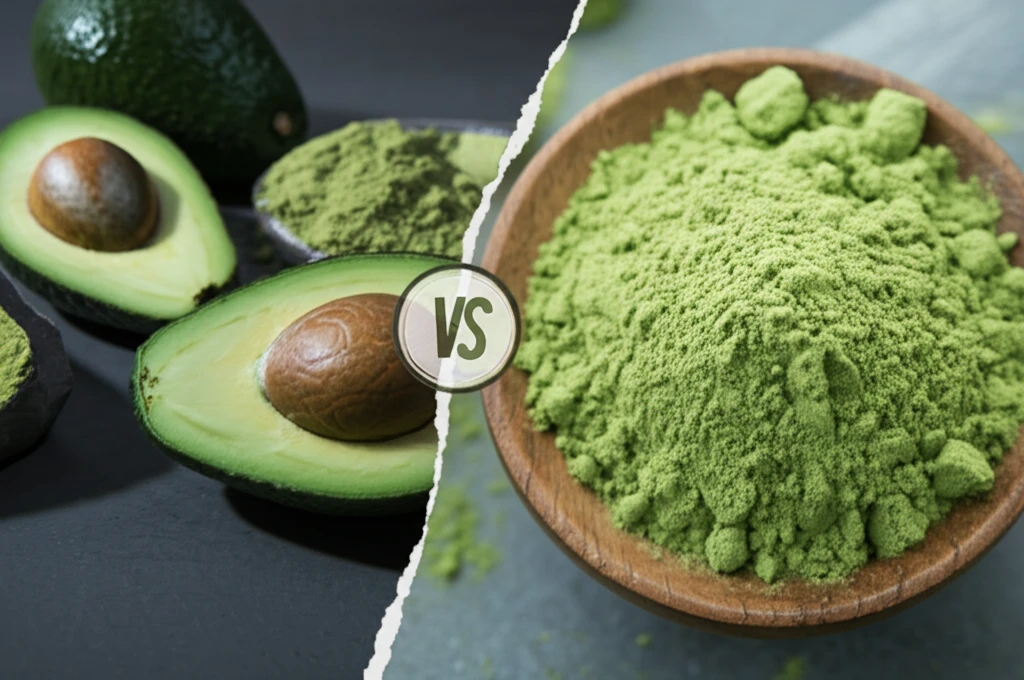
The Great Avocado Debate: Freeze-Dried vs. Fresh – Which is Best for You?

"Uncover the surprising impact of freeze-drying on avocado's nutritional profile and how it stacks up against fresh avocados for health-conscious consumers."
Avocados have surged in popularity, celebrated for their creamy texture, versatility, and impressive nutritional benefits. From toast toppings to smoothie boosters, this fruit has become a staple in modern diets. With increasing demand, innovative preservation methods like freeze-drying have emerged to extend shelf life and maintain quality. But does freeze-drying compromise the nutritional integrity of this beloved superfood?
Freeze-drying, also known as lyophilization, is a dehydration process that works by freezing the material and then reducing the surrounding pressure to allow the frozen water to sublimate directly from the solid phase to the gas phase. This method is prized for its ability to preserve the original characteristics of the product, including taste, aroma, and nutritional content, better than many other drying techniques. However, the impact of freeze-drying on the specific nutritional components of avocados has been a subject of interest and investigation.
A recent study published in the journal Revista Chilena de Nutrición sought to determine whether freeze-drying and different production conditions (rain-fed versus irrigation) affect the chemical composition and fatty acid profile of avocado pulp. This research provides valuable insights for consumers and food producers alike, helping to clarify whether freeze-dried avocados can truly measure up to their fresh counterparts in terms of nutritional value.
A Small but Fast-Growing Market
The global freeze-dried avocado slices market was valued at $312.4 million in 2025 and is projected to reach $724.8 million by 2034, growing at a compound annual growth rate of 9.8% over the 2026-2034 forecast period. Quality research on freeze-dried avocado powder examines attributes such as color through spectroscopic analysis expressed as L* (light and dark), a* (red and green) and b* (yellow and blue) values. Freeze-dried powders have been shown to retain higher fat and protein content than oven-dried samples, with lower moisture and water activity. Freeze-dried avocado also exhibits high water absorption capacity and rate, while rehydrated samples are softer than fresh avocado.
Sublimation and a 25-Year Shelf Life
Freeze-drying removes moisture from food by sublimation under freezing temperature and vacuum conditions, a process well suited to thermolabile and oxidation-sensitive foods such as avocado. The resulting produce has a light, airy texture and a crisp bite, and it can extend shelf life to anywhere between 10 and 25 years depending on how well it is stored — compared with just a handful of days for fresh avocados. For professional kitchens, distributors and retailers, freeze-dried avocado delivers measurable operational advantages, including zero waste. For everyday cooks, incorporating freeze-dried avocados into dips, spreads, smoothies, soups or salads offers a time-saving and flavorful option.
From Mesoamerica to the Modern Pantry
The avocado is an evergreen tree in the laurel family, native to the Americas, with archaeological evidence of early human use dating back thousands of years across various regions of Central and South America. Its culinary history begins with Mesoamerican origins. In the United States, California has built its own storied history of avocado growing and promotion. Modern freeze-dried avocado products draw on compounds found in avocado oil, including oleocanthal, a phenolic compound reported to attack inflammatory pathways and help the body fight Alzheimer's.
Freeze-Drying vs. Fresh: Unpacking the Nutritional Differences
The study meticulously examined four different treatments of avocado pulp: non-freeze-dried rain-fed fruits, non-freeze-dried irrigation fruits, freeze-dried rain-fed fruits, and freeze-dried irrigation fruits. The researchers analyzed various components, including total fat, protein, ash, crude fiber, and the fatty acid profile, which included oleic, palmitic, linoleic, and palmitoleic acids. Their findings revealed some interesting distinctions between freeze-dried and fresh avocados.
- Linoleic Acid Reduction: A slight decrease in this essential omega-6 fatty acid.
- Ash Content Variation: Freeze-drying in rain-fed conditions increased ash content.
- Fatty Acid Stability: Overall, freeze-drying maintains most of the beneficial fatty acids.
- Nutritional Preservation: Generally, freeze-drying preserves the nutritional quality of avocado pulp.
Home Freeze-Dryers and Crispy Snacks
Home cooks can produce freeze-dried avocados and freeze-dried guacamole using a home freeze dryer, reporting that the flavor and texture come out remarkably fresh. Online guides and instructional content highlight freeze-dried avocado slices as a crispy, vegan-friendly snack, with related how-to content last updated in January 2026. Retail freeze-dried avocado slices are marketed as retaining the natural nutrients and flavor of fresh avocados while being lightweight and easy to store. Manufacturers describe them as an excellent addition to salads, sandwiches, or any dish that calls for avocado.
When Process Conditions Decide Quality
Research on freeze-drying Hass avocados shows that outcomes are highly sensitive to processing conditions: samples freeze-dried at different temperatures (-20 °C and -80 °C) and freezing times (6, 12 and 18 hours) produced measurable differences in enzymatic activity and rehydration properties such as hydration kinetics and water retention capacity. This variability means consistent quality is not guaranteed by the freeze-drying process alone. Much consumer-facing content nevertheless emphasizes the benefits, describing freeze-dried avocado as convenient for long-term storage and as a product transforming dessert applications from pastries to chocolates.
Preservation Versus the Creamy Original
Avocados are known for their creamy smooth flesh and bumpy skin, and they are a popular food across many cultures. When it comes to preservation, freeze-drying is generally reported to preserve more nutrients and enhance shelf life compared with dehydration. Fresh avocado remains the benchmark for taste and texture; for frozen avocado, the standard prep is to wash and dry the fruit, halve it, remove the pit, peel off the skin, and slice or chunk the flesh as desired. Taste-test content shows freeze-dried avocado increasingly appearing in snack boxes as an unusual but mainstream option.
Making Informed Choices: Fresh vs. Freeze-Dried Avocado
Ultimately, the choice between fresh and freeze-dried avocado depends on individual priorities and needs. Fresh avocados provide the most complete and unaltered nutritional profile, but they come with the challenge of a short shelf life. Freeze-dried avocados offer convenience and extended shelf life, making them a practical option for those who want to enjoy avocados without the risk of spoilage. While there are minor nutritional differences, freeze-dried avocados still retain a significant portion of their beneficial nutrients, making them a reasonable alternative. By understanding these nuances, consumers can make informed decisions that align with their health goals and lifestyle.
Kitchen Counter to Commercial Ingredient
Industry commentary highlights a convergence of home and commercial approaches to freeze-dried avocado. Home guides describe freezing avocado slices before freeze-drying them, then storing the finished product in vacuum-sealed plastic bags for everyday use. At the commercial level, Ovāvo, a New Zealand food tech startup, has produced a freeze-dried avocado powder made from avocados that are either too small or have blemishes and imperfections making them unfit for retail sale. Together, these efforts illustrate how freeze-drying can extend avocado's usefulness from kitchen staple to shelf-stable ingredient.
Turning Rejects Into a Superfood
Freeze-dried avocado is being positioned as a next high-growth, nutrient-dense ingredient, with industry analysis pointing to freeze-dried flesh powder made from 100% New Zealand-grown, process-grade Hass avocados that often get wasted. Process-grade avocados account for about 15% of New Zealand's industry fruit. A new Kiwi company, working with the King Avocado orchard in the Far North that grows millions of avocados, is turning small, not-quite-pretty-enough fruit into a freeze-dried product some are tipping as a new super food. The goal is to create elevated, better-for-you products from avocados that currently go to waste.
Hydration Is the Whole Game
Consumer freeze-dried avocado products, such as mixes made from real Hass avocados, rehydrate simply by adding water to produce a salsa verde-inspired smashed avocado suitable for avocado toast and snacks. Freeze-drying is not limited to avocados, however; home experimenters have also freeze-dried citrus such as mandarin oranges, lemons and limes, demonstrating the broader range of produce that can be preserved this way. Rehydration behavior is a recurring theme in these hands-on accounts, as users observe how different fruits behave once water is added back.
How Storage Tests a Long-Term Pantry
Research on freeze-dried avocado puree and guacamole has examined how storage conditions affect product quality over time. Gomez and Bates studied the effect of storage temperature, time and atmosphere on the chemical and organoleptic characteristics of freeze-dried avocado puree and guacamole using the Waldin, Lula and Booth-8 avocado varieties. Their findings point to storage deterioration as a real consideration for anyone relying on freeze-dried avocado products for long-term use, since even well-preserved foods change as they age.