
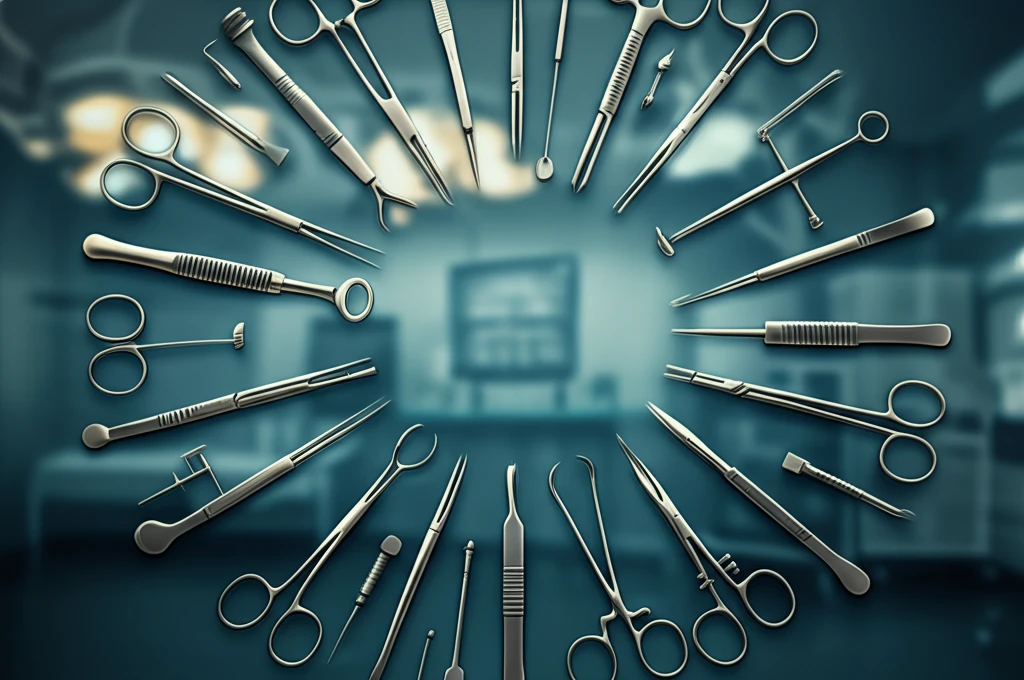
Surgical Instrument Care: A Step-by-Step Guide for Veterinary Professionals

"Master the essentials of cleaning, maintenance, and sterilization to extend the life of your valuable surgical tools and ensure optimal patient outcomes."
In the demanding world of veterinary medicine, surgical instruments are indispensable tools that allow us to perform life-saving procedures and improve the well-being of our animal companions. However, these instruments are also a significant investment, and their performance directly impacts surgical success and patient safety. Proper care and maintenance are crucial to extending the life of these tools, preventing complications, and ensuring optimal outcomes.
Veterinary nurses play a vital role in instrument care, often being responsible for cleaning, sterilizing, and maintaining the inventory. A solid understanding of best practices, including instrument materials, cleaning agents, and sterilization techniques, empowers veterinary nurses to protect these valuable assets and contribute to a safer surgical environment. This detailed guide serves as a comprehensive resource to equip veterinary professionals with the knowledge and skills needed for effective surgical instrument care.
Let's delve into the essentials of surgical instrument care, from understanding the materials used in their construction to mastering the techniques for cleaning, maintenance, sterilization, and troubleshooting. By following these guidelines, you can ensure your instruments remain in peak condition, ready to deliver the best possible care for your patients.
The Growing Market for Surgical Instrument Management
The global surgical instrument tracking systems market was valued at approximately USD 230.81 million in 2022 and is projected to reach USD 644.67 million by 2030, growing at a compound annual growth rate (CAGR) of 13.7% during the forecast period. This significant growth reflects increasing demand for instrument management and traceability across surgical settings. As healthcare facilities invest more heavily in tracking and maintaining surgical instruments, proper care and handling practices become central to both patient safety and financial sustainability. Understanding the scope of instrument management helps veterinary professionals appreciate why rigorous care protocols matter beyond the operating room.
Instrument Pass Techniques and Sterile Processing
Surgical technologists follow standardized methods for passing instruments during procedures, a core skill emphasized in both formal training and widely shared educational content. Sterile processing techniques ensure instruments are cleaned, disinfected, and prepared for reuse in accordance with established protocols. However, much of the instructional material available is oriented toward human surgical settings, and veterinary-specific guidance on instrument handling standards remains less widely formalized. This gap can leave veterinary professionals adapting human-centered protocols without tailored benchmarks for their unique patient populations.
The Legacy of Gruber Surgical Instruments
Surgical instrument design has evolved significantly over time, with names like Gruber associated with foundational tool categories such as retractors and forceps. These instruments were developed to address specific surgical needs and remain in use in modified forms today. The etymology of terms like "milestone" — rooted in Roman road markers marking measured distances — parallels how key surgical innovations have been recognized as turning points in medical practice. Understanding the historical origins of commonly used instruments provides context for why certain designs persist and how they have been adapted for modern procedures, including veterinary surgery.
The Essentials of Surgical Instrument Care
Good quality surgical instruments are a considerable investment, and implementing a robust maintenance protocol is essential to protect that investment and ensure longevity. Properly functioning instruments are critical to surgical success, directly influencing patient outcomes. Let's explore the key aspects of surgical instrument care:
- Stainless steel is an alloy primarily composed of chromium and carbon. Chromium provides corrosion resistance, while carbon contributes to the instrument's strength.
- Different instruments require varying alloy compositions to meet specific functional needs. For example, scissors need a hard, flat blade, whereas artery forceps require a degree of springiness.
- The manufacturing of veterinary implants and instruments is not strictly regulated, it's advisable to consider human specifications as a benchmark.
- Despite its name, stainless steel is not impervious to damage. Passivation occurs over time, making instruments susceptible to corrosion if not properly maintained. Newer instruments are often more vulnerable and require meticulous care.
Selecting and Maintaining Instruments for Veterinary Procedures
Selecting appropriate surgical instruments requires matching tool specifications to the procedure being performed, the size of the patient, and the expected frequency of instrument use. Veterinary professionals must consider factors such as instrument durability, material compatibility, and the specific demands of veterinary surgical techniques. Proper cleaning and lubrication products — such as those offered by specialized instrument care brands — play a role in preserving instrument function over time. These considerations underscore the importance of a thoughtful, procedure-specific approach to instrument selection and maintenance in veterinary practice.
Retained Instruments and the Cost of Care Failures
Retained surgical instruments inside patients represent a serious patient safety failure, as illustrated by a case in Sweden where a surgical instrument was left in a man's abdomen during a planned operation. Such incidents have prompted health authorities to file formal reports and implement corrective measures to prevent recurrence. These failures highlight the critical importance of instrument counting protocols and proper post-operative handling procedures. While such cases are rare relative to total surgical volume, they underscore that lapses in instrument management can have severe and lasting consequences for patients.
Surgical Versus Non-Surgical Treatment Outcomes
Research comparing surgical and non-surgical approaches to conditions such as lumbar degenerative spondylolisthesis has explored the long-term outcomes of decompression, decompression plus fusion, and decompression plus stabilization. These comparative studies help clinicians understand when surgical instrumentation adds meaningful benefit versus when conservative management may be appropriate. In veterinary contexts, similar decision-making frameworks are applied when weighing the risks and benefits of instrumented surgery against alternative treatments. The quality and condition of surgical instruments directly influence operative outcomes, reinforcing the need for rigorous care standards.
Optimizing Instrument Care for the Future
By implementing these best practices, veterinary professionals can optimize their instrument care protocols, ensuring the longevity of their valuable surgical tools and promoting superior patient outcomes. Remember, diligent instrument care is an investment in both the practice and the well-being of the animals under our care. Regular reviews of cleaning and sterilization procedures, along with ongoing training for staff, are essential to maintaining a high standard of care and safeguarding the surgical environment.
Expert Opinion on Instrument Retention and Standard of Care
A notable case in New Zealand involved a woman who discovered a surgical instrument the size of a dinner plate left inside her body after a procedure. The presiding expert concluded that the retention of a surgical instrument falls well below the expected standard of care, noting that no specialized expert advice was needed to reach that determination. This conclusion reinforces the legal and ethical obligation of surgical teams to maintain strict instrument accountability. Expert opinions like this set clear expectations for surgical professionals across both human and veterinary medicine regarding instrument handling standards.
Proper Instrument Care as a Foundation for Surgical Excellence
Surgical instruments are an investment that require effective cleaning and maintenance to ensure longevity and performance. Best practices include immediate post-operative rinsing or spraying with a precleaning solution within minutes after surgery, gentle handling to prevent damage, and consistent use of appropriate lubricants. Neglecting these steps can lead to corrosion, mechanical failure, and ultimately compromised patient safety. As veterinary surgery advances, adherence to these foundational care practices will remain essential for maximizing instrument lifespan and maintaining readiness for complex procedures.
Systemic Barriers to Quality Surgical Instrument Care
Healthcare systems often face a disconnect between what patients value — thorough, attentive care — and the resource constraints imposed by institutional priorities. This tension can manifest in surgical settings where time pressures and staffing limitations affect the thoroughness of instrument cleaning, inspection, and maintenance. Spinal instrumentation surgery, for example, has been described as a well-known but sometimes neglected orthopaedic procedure in terms of perioperative care attention. These systemic challenges are not unique to human medicine and likely affect veterinary practices that operate under similar resource limitations.
The Human Factor in Instrument Care
No specific source material was available for this subsection. However, it is widely recognized that the human element — including training, attentiveness, communication, and accountability among surgical team members — plays a critical role in effective instrument care and handling. Errors in instrument management are rarely purely mechanical; they often trace back to human factors such as fatigue, inadequate training, or breakdowns in team communication. Veterinary professionals can mitigate these risks by fostering a culture of meticulous instrument accountability and investing in ongoing team education.