
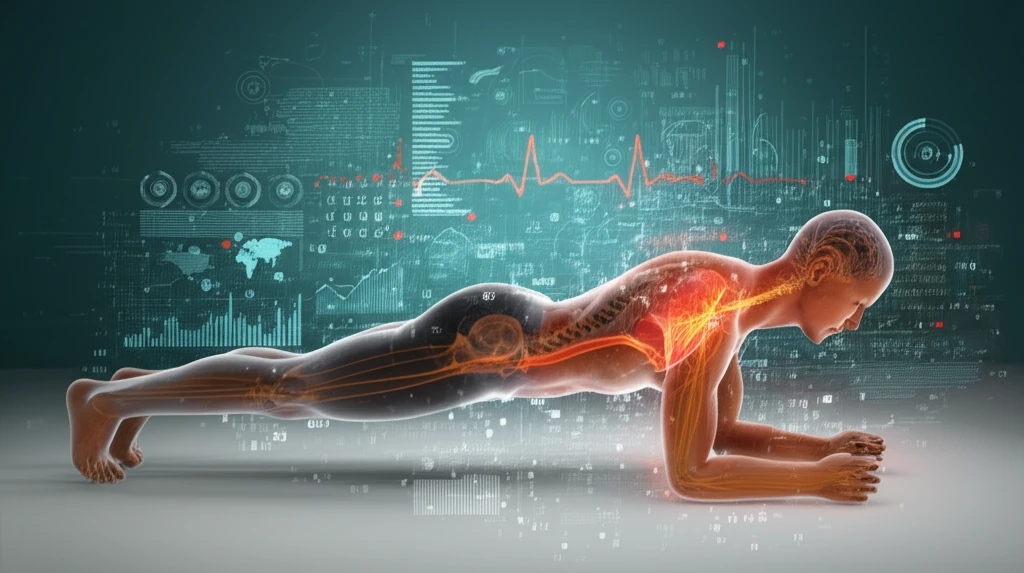
Static Exercise: How It Impacts Your Pulmonary System

"Uncover the unexpected ways static exercises affect your lungs and heart, and how this knowledge can transform your fitness routine."
When you think about exercise, you probably picture running, cycling, or hitting the gym for a high-energy workout. But what about those static exercises, like holding a plank or doing a wall sit? You might not realize it, but these less-dynamic movements have a significant impact on your body, especially your pulmonary system.
For years, experts have understood how static exercises affect the systemic circulation—the network of blood vessels carrying blood from your heart to the rest of your body. These exercises tend to raise blood pressure and increase the workload on your heart. Because of these effects, static exercises were often approached cautiously in cardiac rehabilitation programs.
However, recent research is shedding light on how static exercises specifically influence pulmonary circulation—the flow of blood between your heart and lungs. While aerobic exercise has been extensively studied in this context, the effects of static exercise on pulmonary circulation and the right side of the heart remain less clear. Let’s dive into what the latest studies reveal and how you can use this information to optimize your exercise routine.
Exercise Participation in America
The CDC's National Center for Health Statistics tracks physical activity levels across the U.S. population through its FastStats application. Exercise and physical activity data reveal patterns in how Americans engage with fitness. These statistics provide a baseline for understanding public health behaviors related to exercise. They highlight the importance of various exercise modalities, including static exercise, in addressing national health concerns.
Structuring Static Exercise Workouts
Static exercises involve holding positions without movement, such as planks and wall sits. According to PopSCI, determining optimal time under tension (TUT) is a key factor in structuring effective static workouts. Integrating static and dynamic movements in a hybrid approach can enhance overall training benefits. However, common mistakes in static exercise include improper progression and neglecting safety considerations.
Defining Isometric Exercise
Isometric exercise, also known as static exercise, involves the static contraction of a muscle without visible movement in the angle of the joint. The term distinguishes this exercise form from dynamic movements where joints change angle. This definition from Wikipedia establishes the foundational understanding of what constitutes a static exercise. Isometric training has been recognized as a distinct category within exercise science.
The Static vs. Aerobic Showdown: What the Research Shows
A recent study published in the Congrès JFK 2017, explored the effects of static exercises on the pulmonary system. Researchers had 26 healthy volunteers perform three types of maximum effort exercises: static (handgrip), dynamic (weight lifting), and aerobic (ergometric table test). During each exercise, they measured various factors, including gas exchange, pulmonary capillary volume (Vc), and pulmonary artery pressure (PAP).
- Oxygen consumption (VO2)
- Pulmonary diffusion capacity for nitric oxide (DLNO) and carbon monoxide (DLCO)
- Pulmonary capillary blood volume (Vc)
- Mean pulmonary artery pressure (PAP)
- Cardiac output (CO)
Static Exercise and Blood Pressure
Isometric exercises, also known as static exercises, involve contracting muscles in one position without moving. According to a review of 270 randomized trials cited by Bicycling.co.za, these exercises may be particularly effective for lowering blood pressure. ZME Science reports that isometric exercises like wall squats and planks might be the most effective approach for blood pressure management. Both sources indicate that static exercise could outperform traditional aerobic exercise for cardiovascular health benefits.
Alternative Exercise Approaches
While static exercises offer specific benefits, low-intensity steady-state (LISS) exercise represents an alternative approach for certain populations. According to Women's Health UK, LISS exercise involves maintaining a consistent, moderate intensity over extended periods. This approach may be more suitable for individuals who find high-intensity workouts challenging. The effectiveness of any exercise method depends on individual fitness levels, health conditions, and personal goals.
Static Holds Versus Dynamic Movements
Static holds offer unique advantages for strength training and physical fitness when compared to dynamic exercises. According to Fit After 55, static exercises can help improve muscular endurance and other aspects of physical performance. The comparison between static holds and dynamic movements reveals that each approach has distinct benefits. Understanding these differences allows individuals to choose the most appropriate exercise type for their specific fitness goals.
Practical Implications for Your Workout
So, what does all this mean for your fitness routine? Understanding how different types of exercise affect your pulmonary system can help you make informed decisions about your workouts. While aerobic exercise clearly provides a more substantial workout for your cardiorespiratory system, static exercises still play a valuable role in overall fitness. The study suggests that pulmonary vascular resistance remains stable, regardless of exercise type. This could be reassuring for individuals with certain cardiovascular conditions who may need to incorporate static exercises into their rehabilitation programs.
Research Methods in Exercise Science
Thematic analysis and qualitative research methods are employed to study sport and exercise phenomena. Research published through Taylor & Francis examines exercise-related topics using systematic analytical approaches. These methodologies help researchers understand complex relationships between exercise types and health outcomes. The application of rigorous research methods strengthens the evidence base for exercise recommendations.
Exercise Equipment Market Growth
The United States exercise equipment market is experiencing long-term growth across multiple product categories. Industry leaders are shaping the competitive landscape through focused strategies and well-defined priorities. This market expansion includes traditional fitness equipment as well as newer categories like rowing machines. The growth trends suggest continued innovation in home and commercial fitness equipment sectors.
Addressing Systemic Health Challenges
Systemic challenges in health and wellness require innovative approaches and adaptation strategies. Research on systemic responses to complex problems provides frameworks applicable to public health issues. These principles emphasize the need for evidence-based solutions that address root causes rather than symptoms. Understanding systemic challenges helps inform more effective exercise and health interventions.
Clinical Evidence and Patient Outcomes
Research on static stretching and its effects on maximal muscle performance reveals important clinical findings. A PubMed study noted that 30% of studies failed to provide appropriate reliability statistics, indicating methodological limitations in the field. Isometric exercises such as wall-sitting and planks have demonstrated benefits for lowering both systolic and diastolic blood pressure. These findings highlight the importance of rigorous study design when evaluating exercise interventions.