
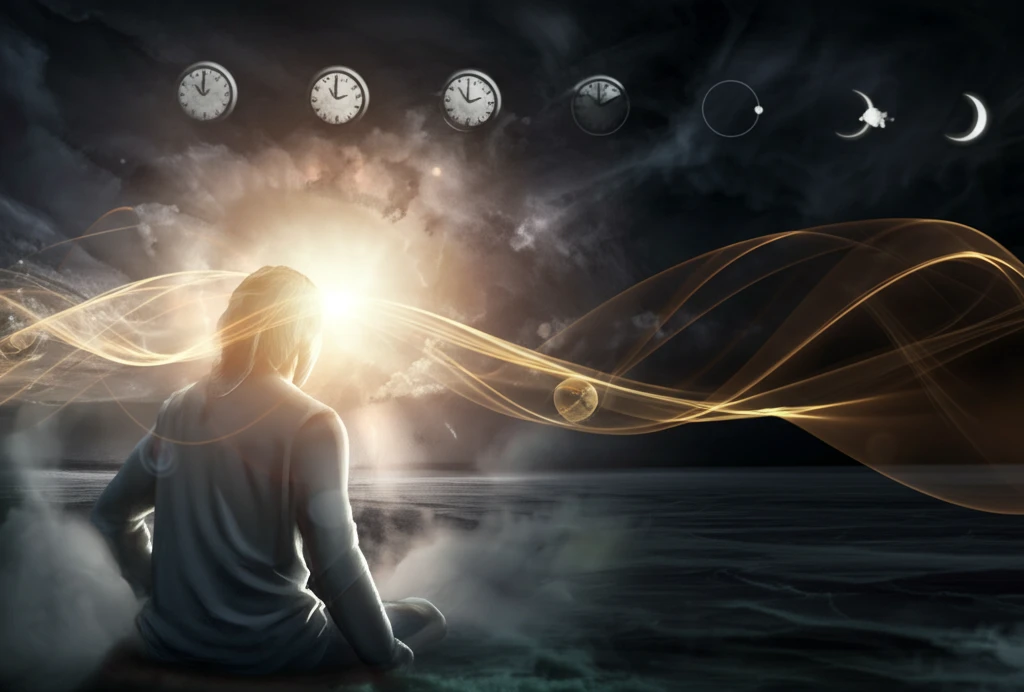
Sleepless Nights? Unlocking the Secrets of Light Therapy for Delayed Sleep Phase Disorder

"Explore how light therapy offers a clinical perspective for resetting your sleep schedule and improving overall wellness. Discover tips for adolescents and adults!"
In our fast-paced, 24/7 society, a good night’s sleep often feels like a luxury. For many, the struggle is real, especially those battling Delayed Sleep Phase Disorder (DSPD). DSPD isn't just occasional sleepiness; it's a persistent misalignment between your natural sleep-wake cycle and the demands of daily life. This condition, common among adolescents, can lead to chronic sleep deprivation, impacting mood, performance, and overall health.
Light therapy has emerged as a promising, non-invasive treatment for DSPD, offering a way to gently nudge the body's internal clock back into sync. Understanding how light influences our circadian rhythms is key to unlocking the potential of this therapy. From the science behind circadian rhythms to practical tips for using light effectively, this guide will provide a comprehensive overview of light therapy for DSPD.
Whether you’re an adolescent struggling with school, a college student juggling late-night study sessions, or an adult seeking a more regular sleep schedule, light therapy might be the key to unlocking restful nights and energized days. Let's explore the science and practical applications of light therapy and how it can help you reclaim your sleep.
The Growing Market for Light Therapy
The red light therapy market has experienced significant growth, driven by increasing consumer awareness and expanding applications across wellness and medical sectors. Market data indicates that skin conditions have dominated the use case for red light therapy tools since 2021 and will likely continue to do so for the next decade. The technology has moved beyond clinical settings into mainstream consumer adoption, with comprehensive statistics now tracking market size, clinical evidence, and user behavior patterns.
How Light Therapy Works and Its Boundaries
Light therapy, also called phototherapy or bright light therapy, involves exposure to direct sunlight or artificial light at controlled wavelengths to treat medical disorders including circadian rhythm sleep-wake disorders. Standard light therapy lamps deliver intense light in focused sessions, while newer smart bulbs provide gentler, timed light exposure throughout the day. However, applications like Seasonal Affective Disorder affect only a small portion of people during specific seasons, and red light therapy carries potential risks that require careful consideration.
The Evolution of Light-Based Therapies
Red light therapy treatments involve exposing the skin to safe wavelengths of light to address various concerns including signs of aging, stretch marks, scars, hyperpigmentation, and acne. LED light therapy uses infrared light to penetrate the skin at different depths to help repair it, and is generally suitable for all skin tones as it operates within a safe wavelength range that does not cause skin damage. The technology has evolved from clinical applications to consumer devices available for home use.
Understanding the Science Behind Light and Sleep
Our bodies operate on roughly 24-hour cycles known as circadian rhythms. These rhythms govern various physiological processes, including sleep, hormone release, and body temperature. Light is the primary cue that synchronizes our circadian clock to the Earth's daily cycle. Special cells in the retina detect light and send signals to the brain's master clock, the suprachiasmatic nucleus (SCN), which regulates these rhythms. When light exposure is irregular or insufficient, our circadian rhythms can become misaligned, leading to sleep disorders like DSPD.
- Genetic Predisposition: Some individuals may be genetically predisposed to having longer circadian cycles.
- Insufficient Light Exposure: Lack of morning light exposure can weaken the signal that advances the circadian clock.
- Excessive Evening Light: Exposure to artificial light in the evening, especially blue light from screens, can further delay sleep.
- Behavioral Habits: Inconsistent sleep schedules and late-night activities can reinforce the delayed sleep pattern.
Emerging Studies in Phototherapy Applications
Recent research has explored innovative applications of light therapy beyond traditional uses. Scientists at the Optics and Photonics Research Center have successfully increased the susceptibility of Candida albicans to drug treatment through light-activated therapy, demonstrating expanding medical applications. Current review papers emphasize the effectiveness of laser and light therapy for various conditions, with ongoing studies examining photobiomodulation across different therapeutic contexts.
Examining the Evidence and Limitations
Critical analysis of therapeutic approaches reveals important nuances in what controlled trials actually demonstrate versus widespread reputation. Researchers and clinicians have identified gaps between commonly held beliefs about certain therapies and what empirical evidence supports. Internalized self-criticism and perfectionism can lead individuals to view even successes as failures when pursuing wellness treatments, highlighting the psychological dimensions of therapy engagement.
Evaluating Different Light Therapy Modalities
Comparative studies have examined the reliability of using light therapy versus LASER treatments for pain reduction, finding both approaches offer biosafety and non-invasive qualities for symptom management. Research focused on temporomandibular disorders has evaluated the efficacy of red LED light compared to low-level LASER, providing data for informed treatment choices. Different light therapy panels and devices vary significantly in their specifications and outcomes.
Practical Steps to Reclaim Your Sleep
Light therapy offers a promising pathway to reclaiming your sleep schedule and improving your overall well-being. By understanding the science behind circadian rhythms and strategically using light exposure, you can effectively combat DSPD and achieve restful nights. Whether through dedicated light therapy devices, smart scheduling of screen time, or optimized environmental lighting, the power to reset your internal clock is within reach. Don’t let sleepless nights dictate your life – explore light therapy and rediscover the joys of a well-rested, energized you.
Professional Insights on Optimal Wavelengths
Clinical-grade LED devices like the Dermalux Flex MD represent professionally validated approaches to light therapy for various skin concerns. Experts identify specific wavelengths as most effective for different therapeutic goals, with many manufacturers focusing on the 660-nanometer red wavelength and 850 nm near-infrared wavelength. Professional devices offer clinically proven results that help practitioners and consumers make informed decisions about light therapy investments.
Market Projections and Technological Advances
The UK light therapy market is projected to grow from 40.71 USD Million in 2025 to 68.86 USD Million by 2035, exhibiting a compound annual growth rate of 5%. The newest generation of red light therapy panels focuses on practical design, improved performance, and user-friendly operation to meet expanding consumer demand. LED light therapy is positioned to dominate aesthetic markets for the next five years, driven by technological innovations and increasing healthcare infrastructure.
Integration with Holistic Health Approaches
Red light therapy is commonly combined with other modalities including Hyperbaric Oxygen Therapy, Cryotherapy, and sauna sessions as part of broader structured recovery protocols. Red light offers systemic impacts and long-term therapeutic benefits that extend beyond localized treatment areas. Color therapy and photobiomodulation represent interconnected approaches within complementary medicine frameworks that practitioners integrate into comprehensive wellness programs.
Documented User Outcomes and Applications
Real-world case studies document user transformations with light therapy devices, including anti-aging applications where consistent use over 6 weeks shows measurable improvements in fine lines and skin texture. Systematic reviews analyzing multiple trials with hundreds of participants have examined phototherapy's effects on conditions like delayed onset muscle soreness, measuring biological markers to quantify outcomes. These documented results provide evidence for both aesthetic and therapeutic applications of light-based treatments.