
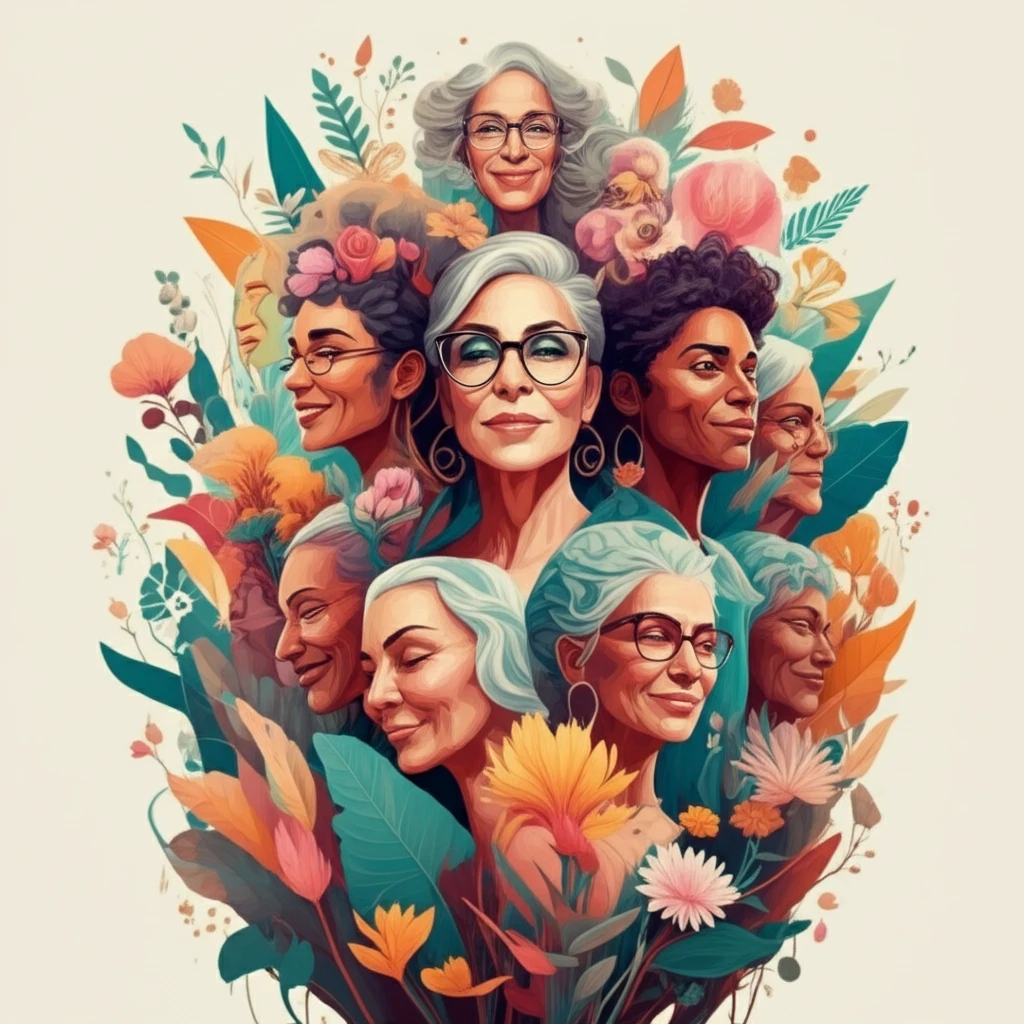
Sex After 50: Reimagining Intimacy and Desire in Midlife & Beyond

"Uncover how societal views on sexuality impact women as they age, and explore practical ways to embrace fulfilling intimate lives."
For many, the topic of sexuality in older adults remains shrouded in silence and misconception. However, as we live longer and healthier lives, the conversation around intimacy, desire, and sexual expression in midlife and beyond is becoming increasingly important. While often overlooked, the sexual well-being of women over 50 is a vital aspect of their overall health, happiness, and quality of life.
This article delves into the multifaceted world of female sexuality after 50, challenging the outdated narrative of sexual decline and embracing a more holistic and empowered perspective. We'll explore the influence of societal expectations, the importance of diverse experiences, and practical strategies for women to navigate their changing bodies, desires, and relationships with confidence and joy.
Drawing from a comprehensive review of existing research, we aim to provide a reassuring, supportive, and informative guide for women seeking to redefine their understanding of intimacy and pleasure in the second half of life. By dispelling myths, highlighting diverse experiences, and offering actionable insights, we hope to empower women to embrace their sexuality with confidence, curiosity, and self-acceptance.
Current Approaches and Their Limits
A 2026 narrative review synthesized qualitative evidence from nine studies examining how women aged 45 and over experience, negotiate, and interpret sexuality as they age. The research indicates that standard care can overlook sexual concerns: women may view hormone therapy primarily as menopause treatment rather than treatment for sexual dysfunction, while sexuality-related questions may be absent from NHS health checks. Primary care research involving 40 physicians and nurses also examined how healthcare professionals approach sexuality among older adults. These findings support comprehensive evaluation that considers physiological, health, psychological, relationship-related, and sociocultural factors rather than relying on a single medical approach.
From Silence to Sexual Inclusion
The NIH Office of Research on Women’s Health historical timeline identifies the Sex as a Biological Variable policy as a milestone intended to ensure that sex-related influences on health and disease are considered early and throughout research. More recent writing challenges sexual ageism by reporting that women over 50 can continue to experience desire, pleasure, intimacy, and new sexual freedom. Qualitative research likewise found that women preferred holistic, person-centred sexual health care focused on wellness rather than a disease-centred model. Together, these developments mark a shift toward recognizing sexual expression as part of women’s health and wellbeing beyond midlife.
Challenging the Myths: Why It's Time to Rethink Sexuality After 50
For many years, the dominant narrative surrounding sexuality and aging has focused on decline. Older adults, particularly women, were often portrayed as asexual or disinterested in intimacy. This perspective, fueled by ageist stereotypes and a lack of understanding, has had a detrimental impact on how women perceive their own sexuality as they age.
- Combating Ageism: Recognize and challenge the ageist stereotypes that can negatively impact your self-perception and sexual confidence.
- Embracing Diversity: Understand that there is no single “right” way to experience sexuality after 50. Every woman's journey is unique and valid.
- Prioritizing Open Communication: Talk openly and honestly with your partner about your desires, needs, and concerns.
What Recent Reviews Reveal
A mixed-methods systematic review examines barriers and enablers affecting access to sexual health and sexual well-being services for midlife women aged 40 to 65 in high-income countries. It defines midlife as a period spanning the late reproductive through late menopausal stages, during which hormonal and physical changes may occur alongside psychological and social evolution. Research on context-dependent sexual changes reports that some women shift emphasis away from intercourse and passion toward companionship, affection, and intimacy. That work also describes evidence that women may experience greater freedom to express sexual needs as they age.
Embracing the Journey: Practical Steps to a More Fulfilling Intimate Life
The journey to a more fulfilling intimate life after 50 is a personal one, requiring self-reflection, open communication, and a willingness to challenge limiting beliefs. By actively engaging in this process, women can rediscover their desires, redefine their understanding of intimacy, and embrace their sexuality with confidence and joy. Remember, it's never too late to prioritize your sexual well-being and create a life filled with pleasure, connection, and self-acceptance.
Sexuality as Wellbeing
A mixed-methods exploratory study found that sexuality contributes to health and wellbeing but is often overlooked as an important occupation for older adults. The study notes that research on older adults has commonly focused on decreased participation and functioning in sexual acts. Its aim was to explore how typically ageing adults understand and experience sexuality, including their support needs. This framing broadens discussion beyond sexual performance to include the meanings, experiences, and assistance older adults identify as important.
Expanding Midlife Sexual Care
The University of Michigan’s National Poll on Healthy Aging reports that sex and intimacy remain important parts of many older women’s lives, while aging-related changes, including menopause, can negatively affect sexual activity. Menopause is defined there as the absence of a period for at least a year, with the average age around 50, although the transition and symptoms can last longer. A health-care source reports that women experiencing sexual well-being difficulties around menopause can discuss individualized causes and treatment options with a provider. Suggested options include vaginal lubricants and moisturizers, sex therapy, hormone therapy, and lifestyle changes such as yoga.