
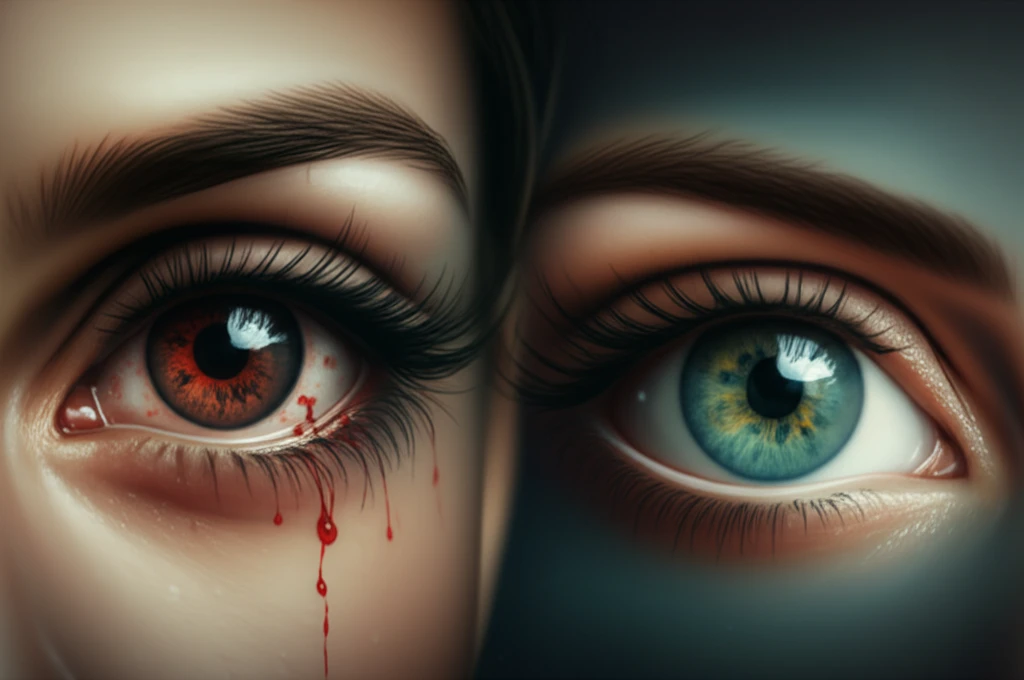
Red Eyes and Contact Lenses: What You Need to Know About Protecting Your Sight

"From irritation to serious infections, understanding the risks and taking the right steps can keep your eyes healthy."
Contact lenses have become a staple for millions, offering a convenient alternative to glasses. However, with this convenience comes the responsibility of proper care and awareness of potential eye health issues. One of the most common concerns among contact lens wearers is red eyes, which can range from a minor annoyance to a sign of a serious infection.
This article delves into the world of contact lens-related eye problems, focusing on the causes, symptoms, and, most importantly, what you can do to protect your vision. We'll explore the various reasons behind red eyes in contact lens wearers, from simple irritants to more serious conditions like infections, and provide guidance on how to identify, manage, and prevent these issues.
By understanding the potential risks and following some simple yet crucial steps, you can ensure that your contact lenses remain a safe and effective means of vision correction, and keep your eyes healthy and happy.
Cleaning and Disinfection
The CDC distinguishes cleaning contact lenses from disinfecting them: cleaning removes deposits, debris, and some germs from the lens surface. Disinfection is essential for killing harmful germs that can lead to severe eye infections. The source does not provide statistics on how often these infections occur.
Challenges in Evaluating Red Eye
Contact lens-related red eye can be challenging to diagnose and treat in primary care because clinicians must consider the broad range of causes of red eye as well as lens-related complications. The BMJ article notes that a slit-lamp examination is required for assessment. A 2026 clinical review adds that non-ophthalmology settings may have limited access to slit lamps, and accurate interpretation depends on clinician experience. Follow-up and treatment can also be complicated by medication costs, transportation, lack of backup spectacles, difficulty replacing lenses, and limited access to eye care.
Why Are My Eyes Red? Common Causes for Contact Lens Wearers
Red eyes in contact lens wearers can stem from a variety of factors, some more serious than others. Understanding the underlying cause is the first step toward effective treatment and prevention. Let's explore some of the most common culprits behind red, irritated eyes.
- Irritation: Due to debris or improper lens care.
- Allergies: Seasonal allergies or sensitivities to lens solutions.
- Environmental Factors: Dry air, smoke, or chemical exposure.
- Infections: Bacterial, viral, or fungal infections.
- Acanthamoeba: A rare but severe infection.
- Lens Overuse: Extended wear beyond recommended schedules.
Risk Factors and Research Coverage
Research on severe contact lens-related microbial keratitis discusses biofilm formation, reduced epithelial sloughing, and diminished antimicrobial activity of tear fluid as factors implicated in disease development. CDC guidance also warns that failing to replace lenses and storage cases as recommended can increase infection risk: repeated handling can introduce microorganisms, while moist surfaces favor microbial growth. The source list includes a 2024 Review of Optometry report on contact lens complications and specialty lenses, as well as the current issue of Eye & Contact Lens, but their supplied descriptions do not give specific findings.
Limits in the Evidence
The available studies have important evidence gaps. A study of microbial keratitis in daily disposable lens wearers says its small sample limited analysis of whether microbial patterns differ between occasional overnight use and strict daily use. A São Paulo referral-hospital study did not evaluate lens type, wearing modality, or hygiene because those details were difficult to obtain from medical records. An earlier report states that the incidence of contact-lens-associated microbial keratitis and its morbidity in the general population of lens wearers are uncertain.
Showering in Lenses and Infection Risk
A study of personal hygiene risk factors identified showering while wearing contact lenses as its greatest risk factor for microbial keratitis, reporting an odds ratio of 3.1 (95% CI, 1.2 to 8.5; p=0.03). Compared with never showering in lenses, showering in them daily was associated with over seven times the risk (OR 7.1; 95% CI, 2.1 to 24.6; p=0.002). These are the estimates reported by that study.
Prioritizing Your Eye Health: The Path to Clear Vision
Red eyes while wearing contact lenses are a common concern, but with the right knowledge and care, you can safeguard your vision and maintain optimal eye health. By being vigilant about lens hygiene, recognizing early symptoms, and seeking prompt medical attention when necessary, you can minimize the risks and enjoy the benefits of contact lenses with confidence. Remember, your eyes are precious, and taking proactive steps to protect them is always the best approach.
Market Trends and Emerging Ideas
A 2024 overview of the U.S. contact lens market describes growth statistics, industry demand, top players, and emerging trends as areas shaping the future of vision care, but the supplied description gives no figures. Separate trend pages dated July 2026 discuss 2025 prescription trends, including rising demand for toric and colored lenses, smart innovations, and dry-eye solutions. Another describes smart AR lenses, vibrant colors, and eco-friendly daily lenses as 2025 trends. These are topics highlighted by the sources, not evidence that the technologies are established or widely adopted.
Red Eye Is Not Always Infection
A 2026 source describes Contact Lens Acute Red Eye (CLARE) as an acute, non-infectious inflammatory reaction that most commonly occurs after sleeping in contact lenses. It says CLARE is a sterile response associated with corneal hypoxia and exposure to bacterial toxins trapped beneath the lens during overnight wear. A separate 2025 source notes that red eye after contact lens wear is a common complaint and that lens-related problems can cause discomfort or serious complications. The supplied descriptions do not establish how frequently CLARE occurs.
Changing Lens Materials
An NHMRC impact case study reports that silicone hydrogel contact lenses entered the world market in 1999 and marked a major change in eye care. It describes the material as becoming the gold standard for contact lenses and representing the majority of lens sales worldwide. A separate case-study source describes a patient with corneal hypoxic signs whose condition improved within days after switching to a high-Dk/t silicone hydrogel lens. These reports illustrate material-related changes and a clinical example, rather than providing a population-wide estimate of patient outcomes.