
Prostate Cancer Radiotherapy: Understanding Your Treatment Options and Recovery

"A comprehensive guide to prostate cancer radiotherapy, covering the latest techniques, side effect management, and what to expect during and after treatment."
Prostate cancer stands as one of the most frequently diagnosed malignancies affecting men worldwide. When faced with this diagnosis, understanding the available treatment options becomes paramount. Among these options, radiotherapy, alongside surgery, plays a central role in curative treatment strategies.
This guide aims to provide a comprehensive overview of prostate cancer radiotherapy, simplifying complex medical information into accessible insights. We will explore various radiotherapy techniques, including external beam radiotherapy (EBRT) and brachytherapy, shedding light on their mechanisms, benefits, and potential side effects.
Whether you're a patient, a caregiver, or simply seeking knowledge, this resource offers essential information to empower informed decisions and navigate the journey with greater clarity and support. The focus is on optimizing treatment outcomes and minimizing long-term side effects, ensuring a better quality of life during and after prostate cancer treatment.
Prostate Cancer and Health Impact
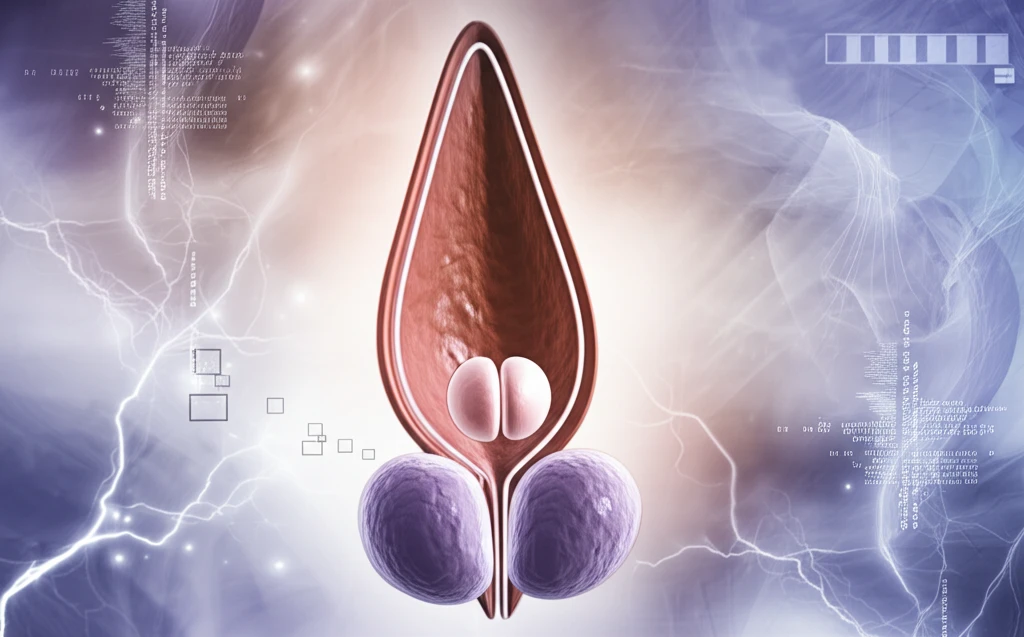
The prostate is a gland in the male reproductive system located below the bladder, with the urethra passing through it. Prostate cancer is the uncontrolled growth of cells in this gland. Screening commonly includes blood tests that measure prostate-specific antigen (PSA), although elevated PSA indicates increased risk rather than a definitive diagnosis.
Treatment Choices and Limits
Treatment planning for prostate cancer generally depends on the disease and the individual's circumstances. Radiotherapy is one possible treatment approach, but its potential benefits and limitations should be discussed with a qualified clinical team. Decisions may require balancing cancer control with possible effects on urinary, bowel, sexual, and general quality of life.
Origins of Prostate Cancer Understanding
The prostate is a small gland involved in reproduction and in producing essential components of semen. Mayo Clinic describes prostate cancer as beginning when cells mutate, as occurs with other cancers. The gland can also become associated with voiding or urinary symptoms as men age.
What is Radiotherapy and How Does it Fight Prostate Cancer?
Radiotherapy, at its core, uses high-energy radiation to target and destroy cancer cells. The goal is to precisely damage the DNA of these cells, preventing them from growing and dividing. Two primary methods are employed in prostate cancer: external beam radiotherapy (EBRT) and brachytherapy.
- External Beam Radiotherapy (EBRT): Delivers radiation from outside the body using a linear accelerator. Often involves multiple sessions to maximize cancer cell damage and minimize harm to healthy tissues.
- Brachytherapy: Radioactive seeds or sources are placed directly into the prostate gland. This allows for a high dose of radiation to be delivered to the tumor while sparing surrounding tissues.
Ongoing Evidence Review
Research on prostate cancer radiotherapy continues to refine how clinicians select and deliver treatment. Current evidence should be interpreted in light of cancer characteristics, patient priorities, and treatment-related risks. Patients may benefit from discussing recent findings with their oncology team rather than relying on general summaries alone.
Limits and Uncertainty
No treatment approach is free of limitations, and radiotherapy may not produce identical outcomes for every patient. Side effects, recurrence concerns, and differences in individual health can complicate decisions. These uncertainties make individualized counseling and follow-up important.
Comparing Treatment Options
Radiotherapy is usually considered alongside other management strategies rather than in isolation. Comparisons may involve expected cancer control, treatment duration, side effects, recovery, and personal preferences. The most appropriate choice can differ between patients.
Empowering Your Journey Through Prostate Cancer Radiotherapy
Navigating prostate cancer treatment can feel overwhelming, but understanding your options and actively participating in decisions about your care can make a significant difference. Radiotherapy, whether through EBRT or brachytherapy, offers effective pathways to combat prostate cancer. By working closely with your healthcare team and staying informed, you can approach treatment with confidence and resilience.
Putting Treatment in Context
A balanced understanding of prostate cancer radiotherapy requires attention to both treatment goals and quality-of-life considerations. Clinical recommendations should be interpreted alongside the patient's diagnosis, overall health, and priorities. Expert consultation can help translate general information into an individualized plan.
The Future of Care
Future progress in prostate cancer care may focus on improving treatment precision, reducing side effects, and tailoring decisions more closely to individual patients. New evidence will need careful evaluation before it changes routine practice. Ongoing follow-up will remain important as treatment approaches develop.
Access and Care Challenges
Prostate cancer outcomes can be influenced by access to screening, diagnostic services, specialist care, and follow-up. Differences in healthcare resources may affect the options available to patients. Clear communication and coordinated care are important parts of addressing these challenges.
Patient Experience and Recovery
Radiotherapy decisions affect more than disease management because they can also influence daily routines, relationships, and recovery expectations. Patients may have concerns about urinary, bowel, sexual, or emotional effects. Shared discussions with clinicians and support from family or care services can help people navigate treatment.