
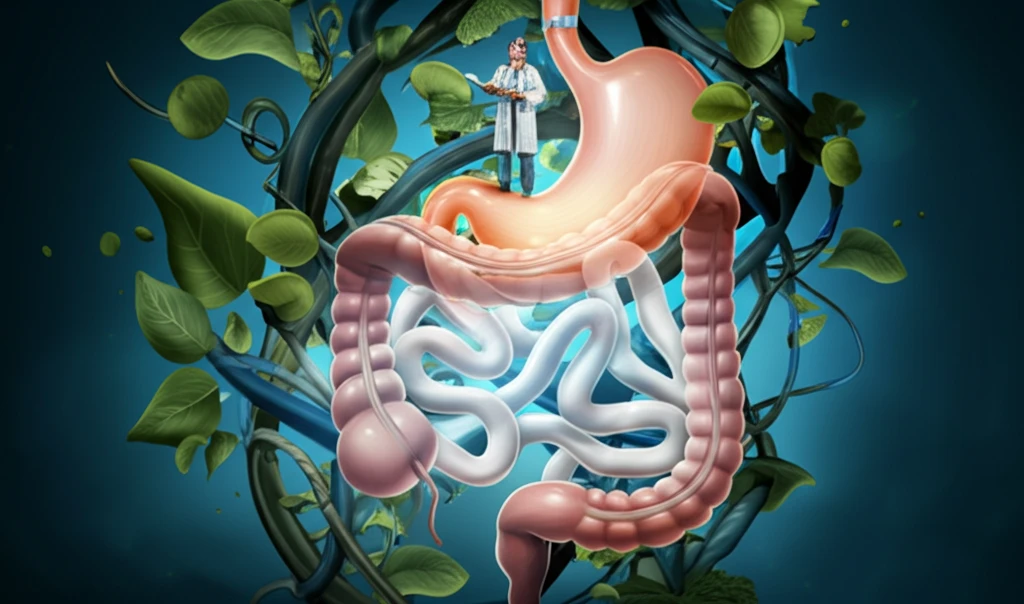
Plant-Powered & Healthy: A Doctor's Guide to Veganism and IBD

"Navigating veganism with IBD: Expert advice on diet, supplements, and how to thrive on a plant-based lifestyle."
Veganism is more than just a diet; it's a lifestyle choice embraced by millions for ethical, environmental, and health reasons. But what happens when you combine veganism with a chronic condition like inflammatory bowel disease (IBD)? This article breaks down the complexities, offering a comprehensive guide on how to thrive on a plant-based diet while effectively managing your IBD.
Imagine Kate, a 29-year-old with IBD who recently adopted a vegan diet. Initially, she felt great, but soon, fatigue and other troubling symptoms crept in. Her doctor found low levels of essential nutrients. This scenario highlights a common challenge: ensuring nutritional needs are met while adhering to a restrictive diet.
This isn't just Kate's story; it reflects the experiences of many who seek to align their dietary choices with their values while maintaining optimal health. Whether you're a long-time vegan or just curious about the lifestyle, this guide provides the insights you need to make informed decisions.
IBD Prevalence and Veganism on the Rise
Inflammatory bowel disease (IBD), encompassing ulcerative colitis and Crohn's disease, is a group of lifelong intestinal diseases whose prevalence is rising in the United States according to CDC data. Concurrently, veganism and plant-based eating have grown into global movements, with Europe, Israel, India, and the Caribbean emerging as regions with particularly high adoption rates. The simultaneous rise of both IBD and interest in vegan diets creates a compelling intersection for clinical investigation. Understanding how these dietary patterns may influence IBD outcomes has become increasingly relevant for patients and clinicians alike.
Evidence Gaps in Vegan Diets for IBD
Currently, no clinical trials have examined the impact of completely vegan diets on IBD outcomes. Research to date has focused on semi-vegetarian approaches, notably pioneered by Japanese researchers who have used such diets in clinical practice for over 15 years, incorporating yogurt and occasional fish. While a whole-food plant-based approach to ulcerative colitis has shown remarkable results in early studies, the optimal role of these dietary interventions remains unclear due to limitations in the current literature. Physicians counseling vegan patients with IBD face the challenge of sharing the best available evidence while respecting patient dietary preferences.
The 2,600-Year Journey of Veganism
Veganism is formally defined as a philosophy seeking to exclude all forms of animal exploitation for food, clothing, or any other purpose, while promoting animal-free alternatives. The movement traces its roots back approximately 2,600 years to the Pythagoreans of antiquity, representing a long moral and philosophical refinement. Historical documentation shows the gradual acceptance of plant-based diets within academic and medical communities over centuries. This evolution from ancient philosophical practice to modern dietary movement provides context for its contemporary intersection with health and medicine.
Understanding Veganism: More Than Just a Diet
Veganism is defined by the exclusion of all animal products, including meat, dairy, eggs, and honey. People choose veganism for various reasons:
- Ethical concerns: A commitment to animal welfare.
- Environmental reasons: Reducing the carbon footprint associated with animal agriculture.
- Health benefits: Potential reduction in the risk of type 2 diabetes, high cholesterol, and hypertension.
Emerging Evidence on Plant-Based Diets and IBD
The incidence of IBD is associated with dietary transition from traditional diets to westernized patterns, suggesting environmental dietary factors play a significant role. Many proposed diets for IBD focus on increasing plant-based foods, though researchers note that vegetarian diets can still contain emulsifiers and refined grains believed to negatively impact IBD progression. Current studies indicate a potential inverse association between plant-based diets and IBD risk, though large-scale research is needed to confirm these protective effects. The role of mucosal glycans in gut homeostasis and intestinal inflammation represents another frontier in understanding IBD's relationship to diet.
Nutritional Risks and Complexities
Vegan diets in vulnerable populations including children, adolescents, and pregnant women require close monitoring to mitigate nutritional deficiencies that could lead to long-term negative health outcomes. Combining veganism with a chronic condition like IBD introduces additional complexities that patients and physicians must navigate carefully. Research comparing different plant-based dietary patterns suggests that more plant-heavy and less animal-heavy approaches may be more effective, but adherence and nutritional completeness remain concerns. The evidence base remains insufficient to make definitive recommendations, requiring individualized clinical judgment.
Dietary Approaches in Context
While direct head-to-head comparisons between fully vegan diets and other dietary interventions for IBD remain limited, the growing body of observational research suggests plant-predominant patterns may offer benefits. The quality of plant foods appears to matter significantly, with whole-food approaches likely outperforming processed plant-based alternatives. Individual patient factors including disease type, severity, and personal preferences should guide dietary recommendations in clinical practice.
Empowering Patients Through Knowledge and Compassion
Ultimately, guiding a vegan patient with IBD involves a holistic approach. By understanding their motivations, conducting thorough nutritional assessments, and providing evidence-based recommendations, healthcare providers can empower patients to thrive on a plant-based diet while effectively managing their condition. This collaborative approach ensures that dietary choices align with both personal values and optimal health outcomes.
Balancing Evidence and Patient Perspectives
Physicians should share the best available evidence on plant-based diet efficacy while respectfully trying to understand the perspectives of patients who choose vegan diets for ethical, environmental, or health reasons. Systematic reviews and meta-analyses have investigated associations between veganism and vegetarianism and circulating inflammatory biomarkers compared to omnivores, providing some mechanistic context. The clinical approach requires balancing scientific evidence with patient autonomy and individual circumstances. Effective counseling demands both nutritional knowledge and empathetic communication.
Shaping IBD Care's Future
A global multidisciplinary group of experts has identified key priorities for shaping the future of inflammatory bowel disease management, recognizing the substantial worldwide burden of this immune-mediated disease. Telehealth and alternative care models, including e-consultations and remote monitoring, are being explored to address the rising number of IBD patients and evolving healthcare demands. These innovations may improve access to dietary counseling and nutritional support for IBD patients interested in plant-based approaches. The integration of technology with traditional clinical care represents a promising frontier for personalized IBD management.
IBD's Far-Reaching Systemic Impact
IBD management traditionally focuses on intestinal inflammation, yet extraintestinal manifestations can substantially impair patient quality of life and represent a critical dimension of care. The systemic consequences extend beyond the gut to include highly prevalent conditions such as anemia, metabolic dysfunction-associated steatotic liver disease, and fatigue, as well as rarer but severe complications. This broader systemic impact underscores the importance of comprehensive, whole-patient approaches to IBD management. Dietary interventions must be considered within this wider context of systemic disease burden.
Real-World Evidence and Patient Outcomes
Real-world evidence studies have identified significant gaps in IBD care and emphasize the importance of innovation in improving patient outcomes. An exploratory evaluation found that vegan diet patients had a lower incidence of large ulcers (57%) compared to controls (79%) in Crohn's disease patients, suggesting potential endoscopic benefits. Case reports document patients with long-standing Crohn's disease achieving endoscopic improvement without medication after switching to a vegan diet. These real-world findings, while preliminary, highlight the potential for dietary interventions to complement or sometimes reduce pharmaceutical approaches in IBD management.