
Pavement Perfection: The Secret to Longer-Lasting Asphalt Roads

"Could inverting traditional road base designs be the key to stronger, more durable asphalt?"
Asphalt pavement is a cornerstone of modern infrastructure, but it's no secret that roads are prone to cracking and deterioration. Traditional semi-rigid base courses, widely used in countries like China, often suffer from reflective cracking, where cracks in the base layer propagate up through the asphalt. This significantly shortens the pavement's service life, leading to costly repairs and disruptions.
The conventional approach to road construction places higher-quality materials in the upper base layer, assuming it bears the brunt of the load. However, recent research suggests this might be a flawed strategy. The lower base layer actually experiences greater tensile stress, making it more susceptible to cracking and failure. This mismatch between material strength and stress distribution is a critical issue.
Now, imagine a road design that flips this conventional wisdom on its head. This article explores the concept of an "inversed structure" for asphalt pavement, where stronger materials are strategically placed in the lower base layer to better withstand tensile stress. We'll delve into the research behind this innovative approach, examining how it can improve pavement performance, extend service life, and potentially reduce long-term maintenance expenses.
Costs, Emissions, and Pavement Structure
A 2026 industry report estimates that building one mile of new U.S. two-lane asphalt road averages $1.1 million and that U.S. pavement construction emits 100 million tons of CO2 annually. It also reports that warm-mix asphalt reduces CO2 emissions by 10% to 20% compared with hot-mix asphalt worldmetrics.org. Separately, research on pavement with two semi-rigid base courses found that the lower base bears greater tensile stress than the upper base and that the structure’s fatigue life depends on the lower base doi.org.
From Ancient Stone Roads to Designed Pavements
Stone-paved streets in Mesopotamia date back about 6,000 years, and Roman road builders later developed more elaborate stone surfaces with thick crushed-stone base layers for drainage asphaltmagazine.com. For centuries, pavement structures were designed mainly from experience; the source describes this approach as lasting until the 1920s asphaltmagazine.com. In the 18th and 19th centuries, Telford and Macadam advanced road design with crushed-stone layers bound with fines, and the first Macadam road was built near a location rendered in the source snippet as “[…]” in 1848 scribd.com.
Inverted Pavement: A Structural Revolution?
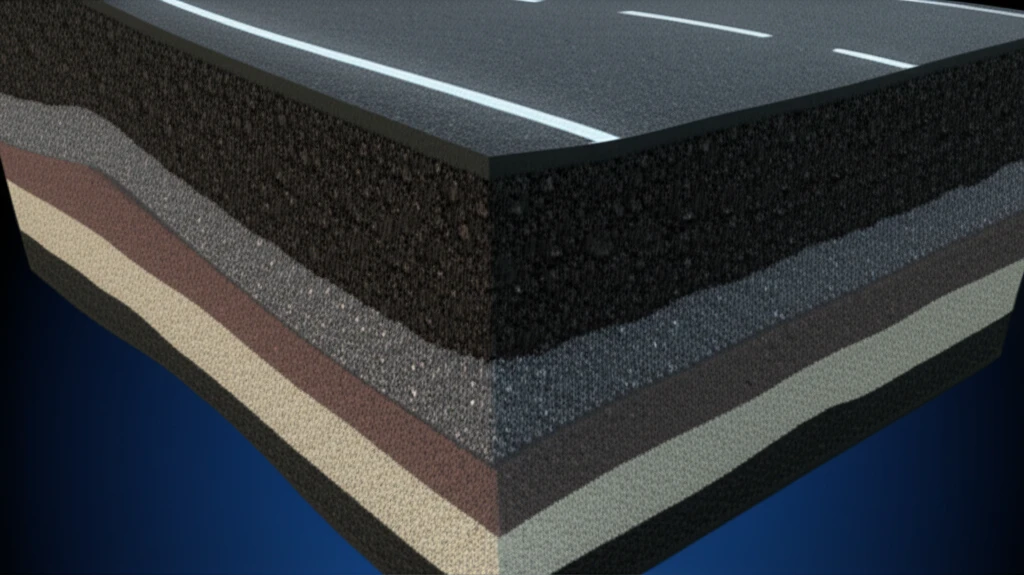
The traditional asphalt pavement structure, commonly used, typically consists of two semi-rigid base courses. The upper base usually boasts superior raw materials, finer gradation, and a higher cement content compared to the lower base. This assumes the upper layer handles the majority of the stress. However, using software like BISAR3.0, researchers analyzed the load responses within these pavements and uncovered a surprising trend: the lower base layer is under more tension.
- Higher Tensile Stress: The lower semi-rigid base layer bears greater tensile stress than the upper layer.
- Fatigue Life Dependency: The pavement's overall fatigue life hinges on the performance of the lower base.
- Material Mismatch: Using inferior materials in the lower base and superior materials in the upper base is an illogical approach, given the stress distribution.
Design Innovations Across Road Types
A 2024 review titled “Innovations in pavement design and engineering: A 2023 …” organizes recent paving design and engineering innovations into two broad areas: high-volume urban pavements and low-volume rural pavements. It begins by arguing for framing pavement projects through a community-based, socio-technical perspective sciencedirect.com. The listed FHWA resources include a 2022 tech brief on advances in the design, production, and construction of Stone Matrix Asphalt, as well as 2000 briefs on rehabilitation strategies and performance trends for asphalt-concrete pavements fhwa.dot.gov.
Defects Require Timely Diagnosis and Repair
Asphalt pavements can develop cracks and other defects over time, and deterioration may worsen when problems are left untreated civilengpro.com. The listed repair approaches include patching, sealing, overlaying, and, in some cases, removing and repaving the pavement asiagilsonite.com. A maintenance guide also identifies weather and other conditions as factors that adversely affect asphalt and describes 13 commonly observed pavement distresses or failures rcdsantacruz.org.
The Road Ahead: Building Smarter, Stronger Pavements
The research clearly demonstrates the potential of inversed pavement structures to improve the durability and longevity of asphalt roads. By strategically placing stronger materials in the lower base layer, engineers can create pavements that are better equipped to withstand tensile stress and resist cracking.
Engineering Expertise in Pavement Disputes
The listed asphalt and pavement expert-witness services cover engineering, road construction, material quality, failure analysis, and safety regulations forensisgroup.com. Available specialists include civil and geotechnical engineers experienced in pavement design, construction, and forensic analysis, including expertise in asphalt and concrete materials, subgrade conditions, and airport and highway pavement systems roundtablegroup.com. These services may include pavement evaluations, maintenance planning, cost estimates, and expert opinions or testimony asphaltmc.com.
A More Connected and Climate-Resilient Road Network
A source on future road construction describes a shift toward transportation infrastructure that is intelligent, connected, sustainable, automated, and climate-resilient civilengineerings.com. Asphalt-focused outlooks identify innovative materials, sustainable practices, and smart paving solutions as areas to watch, though the supplied descriptions do not specify particular technologies or quantified forecasts asphaltcalculatorusa.com. A 2025 trends article likewise says asphalt paving is being shaped by technology, sustainability initiatives, and changing industry standards asphalttalk.net.
Assessing Pavement Sustainability Across Its Life Cycle
A 2023 study compares environmental impacts across road pavement rehabilitation stages, from natural-resource extraction and transportation through production and construction, and examines opportunities to reduce impacts by improving material circularity sciencedirect.com. A 2024 review reports that life-cycle assessments of sustainable asphalt pavements using innovative materials have been investigated and that case studies document practical initiatives, lessons learned, and challenges sciencedirect.com. Another source points to plastic waste and the high energy consumption of traditional asphalt production as drivers of the search for more sustainable road-construction alternatives mdpi.com.
Local Decisions Shape Project Outcomes
A 2025 case-study source frames successful pavement projects as projects that are durable, sustainable, and responsive to community needs paversalabama.com. A 2022 recycled-asphalt lifecycle case study notes that real-world tendering and construction processes may influence local decision makers’ ability to estimate the environmental impact of the full construction process mdpi.com. Another case-study description says it examines environmental impacts of different pavement designs over a 60-year analysis period, including a 40-year basic design period researchgate.net.
This innovative approach not only extends the service life of roads but also offers significant economic benefits. Reduced maintenance frequency translates to lower costs for repairs, less disruption to traffic, and a more sustainable approach to infrastructure management.
As we look to the future of road construction, embracing innovative designs like the inversed pavement structure is crucial. By combining structural design with intelligent material selection, we can build smarter, stronger, and more durable roads that stand the test of time.