
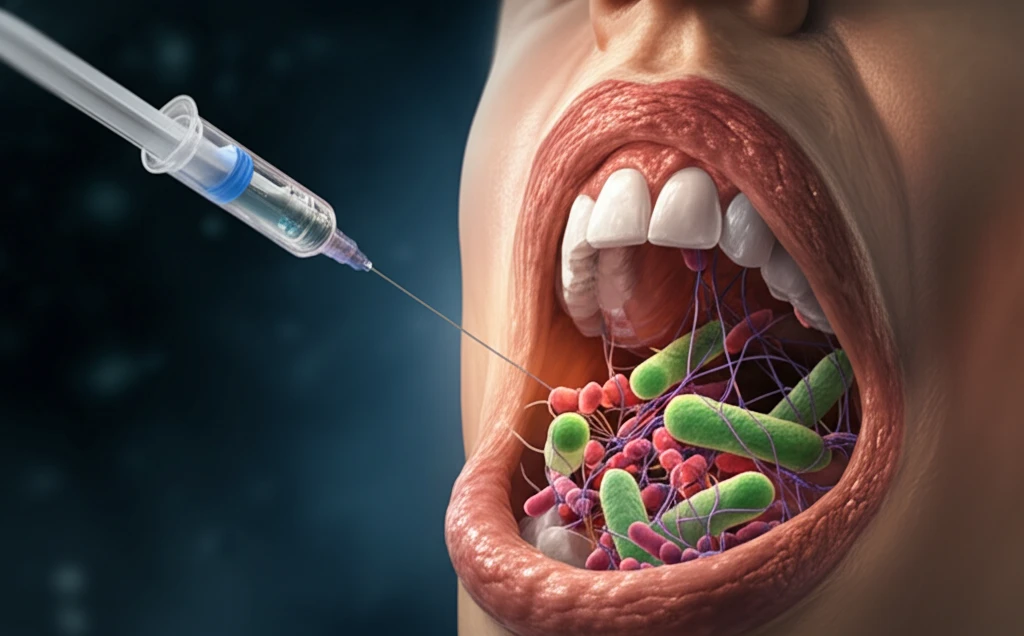
Parotid Gland Infection: Spotting, Treating, and Preventing Complications

"Early Detection and Expert Insights on Actinomycosis After Needle Aspiration"
In the realm of medical diagnostics, sonographically guided fine-needle aspiration has emerged as a pivotal tool for assessing parotid masses. This technique aids in diagnosing various conditions affecting the salivary glands. While generally safe, complications can arise, including hemorrhage, infection, and, in rare instances, seeding along the needle tract. A case study highlighted an unusual complication: extraglandular seeding of parotid actinomycosis after sonographically guided fine-needle aspiration.
Actinomycosis, caused by Actinomyces bacteria, is a rare infection that often presents diagnostic challenges. This article delves into a specific instance where a 76-year-old man experienced this complication, underscoring the importance of vigilance and thorough post-aspiration care. By understanding the intricacies of such cases, healthcare professionals and patients alike can navigate potential risks effectively.
The patient's journey, from initial symptoms to diagnosis and treatment, provides valuable insights into recognizing and managing parotid gland infections. The information presented here is designed to enhance awareness and foster informed decision-making, ensuring better health outcomes for individuals undergoing similar procedures.
Inflammation of the Parotid Glands
Parotitis is inflammation of the parotid glands, the large salivary glands located in front of the ears, and it can develop suddenly or gradually. The parotid gland's primary function is to produce saliva and release it into the mouth to ease the chewing and swallowing process during eating. Swelling of the parotid gland can be a sign of an underlying infection or condition, and infections can occur when salivary flow decreases due to obstruction or inflammation of the salivary duct.
Antibiotics, Warm Compresses, and Massage
When people develop parotid gland infections or swelling, recommended treatments may include antibiotics, warm compresses, or parotid gland massage. Such infections can result from decreased salivary flow caused by an obstruction or inflammation of the salivary duct, so addressing the underlying cause matters. Prompt and appropriate treatment is important, as infection can lead to complications if left unmanaged.
From Infection to Autoimmune Links
Parotitis has long been recognized as inflammation of the parotid glands and may be linked to infection, blockage, dehydration, or autoimmune conditions. Underlying infections such as actinomycosis, a rare chronic disease caused by anaerobic Gram-positive Actinomyces bacteria that normally colonize the human mouth, have been documented as causes requiring careful diagnosis and management. This understanding of infectious causes has helped shape modern treatment approaches.
Understanding Parotid Actinomycosis
The case involved a 76-year-old man presenting with left jaw pain and a palpable mass. Initial evaluations, including magnetic resonance imaging (MRI), suggested a possible parotid neoplasm. However, sonographically guided fine-needle aspiration revealed actinomycosis.
- Initial Presentation: Left jaw pain and a tender mass.
- Diagnostic Imaging: MRI suggesting a parotid neoplasm.
- Initial Treatment: Doxycycline course with temporary relief.
- Recurrence: Subcutaneous nodule indicating infection spread.
Education and Evidence-Based Management
Patient education resources, including videos presented by clinicians, continue to explain the diagnosis, treatment, and complications of parotid and other salivary gland infections. Research reviews on actinomycosis detail its etiology, clinical features, diagnosis, and treatment, reinforcing that prompt and appropriate therapy is required for effective management. These resources aim to guide both patients and healthcare providers in recognizing and treating parotitis.
When Swelling Signals Something More
Parotid gland swelling can be a sign of an underlying infection or condition rather than a simple, isolated problem, which means symptom-only treatment may fail to address the root cause. Because parotitis can stem from infection, blockage, dehydration, or autoimmune conditions, approaches that ignore these contributing factors risk incomplete recovery. Untreated or inadequately managed infection can lead to complications.
Parotitis Versus Sialadenitis
Parotid gland swelling is also described as a parotid infection called parotitis or sialadenitis, highlighting overlap in how these conditions are named and understood. While parotitis refers specifically to inflammation of the parotid glands, treatment guidance for salivary gland infections generally covers both the parotid and submandibular glands. Management options range from antibiotics and warm compresses to massage, depending on whether the cause is infectious, obstructive, or related to reduced saliva flow.
Key Takeaways and Prevention
In conclusion, this case highlights the rare yet significant complication of extraglandular extension of actinomycosis following fine-needle aspiration of the parotid gland. Vigilance, thorough antibiotic therapy, and post-treatment imaging can improve patient outcomes. The increasing use of aspiration techniques warrants heightened awareness to mitigate potential risks.
Clinicians Weigh In
In patient education, clinicians such as Dr. Carlo Oller discuss the diagnosis, treatment, and complications of salivary gland infections including parotitis. Separate instructional videos for doctors and healthcare providers address the treatment of parotid and submandibular salivary gland infections in greater clinical depth. The consensus reflected in these materials is that infection should be recognized and treated promptly to prevent complications.
Better Awareness Through Accessible Education
The growing availability of patient education videos and online resources points toward an increased emphasis on helping people recognize parotid gland problems early. Continued refinement of diagnostic and treatment guidance for both common infections and rarer conditions such as actinomycosis will likely remain a focus. Broader education may encourage earlier presentation and reduce the risk of complications.
Dehydration, Blockage, and Autoimmune Disease
Parotitis can be linked to systemic factors such as dehydration, obstruction, and autoimmune conditions, meaning its management extends beyond the gland itself. Reduced salivary flow from obstruction or inflammation of the salivary duct is a common pathway to infection. Addressing these underlying systemic and structural issues is essential to preventing recurrence.
Discomfort That Disrupts Daily Life
Because the parotid glands produce saliva that eases chewing and swallowing, swelling and infection can make everyday eating uncomfortable. Practical home measures such as warm compresses and parotid gland massage, along with other home remedies, may help relieve discomfort as part of treatment. Promptly addressing symptoms helps people return to normal oral function more quickly.