
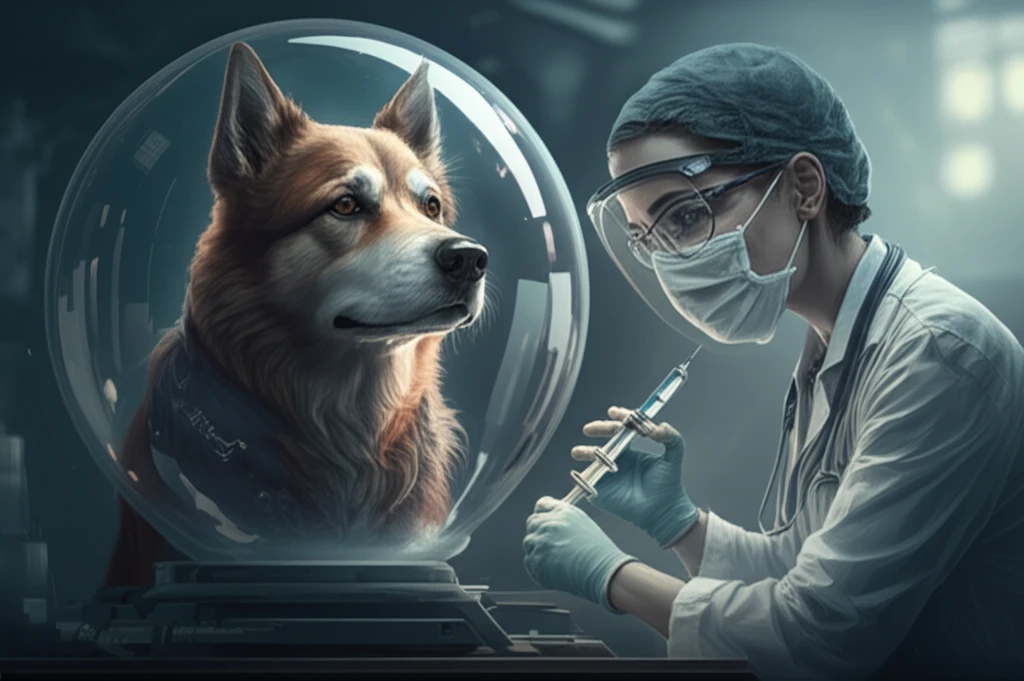
Navigating Vaccination After IMHA: A Pet Owner's Guide

"Understanding the risks and benefits of vaccinating your dog after a diagnosis of Immune-Mediated Hemolytic Anemia (IMHA)"
As a pet owner, ensuring your furry friend receives the best possible care involves navigating a complex landscape of health decisions. When a dog is diagnosed with Immune-Mediated Hemolytic Anemia (IMHA), a condition where the immune system attacks its own red blood cells, the question of whether to continue or resume vaccinations can be particularly daunting. Current veterinary guidelines often suggest avoiding vaccinations in dogs with a history of immune-mediated diseases, driven by concerns of triggering a relapse or adverse reaction.
However, the scientific evidence supporting this recommendation is limited, mirroring similar debates in human medicine regarding vaccinations and autoimmune diseases. The decision becomes even more challenging when considering the importance of vaccinations in preventing other life-threatening infections. The intent of this article is to delve into recent research, offering pet owners a balanced perspective on the potential risks and benefits associated with vaccinating dogs that have recovered from IMHA.
We'll explore the findings of a study investigating vaccine reactions in dogs previously treated for IMHA, providing insights to help guide informed conversations with your veterinarian. Understanding the factors involved can empower you to make the best choice for your dog's long-term health and well-being. This guide aims to provide clarity and support as you navigate these challenging decisions.
A Life-Threatening Autoimmune Condition
Immune-mediated hemolytic anemia (IMHA) is a life-threatening condition that occurs when a dog's body attacks its own red blood cells. Because red blood cells carry oxygen to every part of the body, a shortage can affect the entire system, and in acute cases IMHA requires urgent stabilization.
Primary, Secondary, and the Push to Stabilize
The cause of IMHA can be primary or secondary: primary IMHA is idiopathic, meaning the body begins attacking its own red blood cells for reasons that are unknown. Because the condition can be life-threatening in acute cases, hospitalization to immediately stabilize the dog is considered necessary.
A Long-Standing Question About Vaccines
Veterinarians have long debated what role vaccinations play in the IMHA disease process. Follow-up questions published after a major IMHA review asked directly whether vaccination should factor into how the disease is managed, reflecting uncertainty that has persisted over time.
Key Findings: Vaccination and IMHA in Dogs
A recent study published in the Journal of the American Animal Hospital Association explored the rate of vaccine reactions in dogs that had been previously treated for primary IMHA. The research also aimed to determine the time elapsed between vaccination and the initial IMHA diagnosis. The study involved a retrospective analysis of medical records from veterinary teaching hospitals, along with surveys completed by pet owners and their veterinarians. Data was collected from 44 dogs, with half receiving vaccinations after their IMHA diagnosis and the other half not.
- Reaction Rate: Out of the 22 dogs vaccinated after their IMHA diagnosis, two showed potential vaccine reactions. These included vomiting and urticarial eruption in one dog (after receiving a rabies and canine distemper vaccine) and recurrent anemia in another (following a rabies vaccine).
- Timing Matters: No dog was vaccinated within 30 days of their IMHA diagnosis. The median time between vaccination and initial diagnosis was 280 days.
- Higher Than Expected Reaction Rate: While the study's reaction rate was higher than previously reported in general canine populations, the longer evaluation period could account for this difference.
- Uncertain Relationship: The study emphasizes that the relationship between initial vaccination and the development of IMHA, as well as between vaccination and subsequent vaccine reactions, remains uncertain and may be coincidental.
An Unclear Vaccine Association
The association between vaccination and IMHA is somewhat unclear, but vaccines may possibly overstimulate the immune system and contribute to the disease. However, vaccines themselves have not been proven to cause IMHA, leaving an important gap in what is currently known.
What Hasn't Been Proven
Despite the suspected link, vaccines have not been proven to cause IMHA, and the exact relationship remains uncertain. This means owners facing a diagnosis cannot assume a simple cause-and-effect explanation, and veterinarians must weigh the evidence carefully.
Conventional Care vs. Holistic Support
Conventional management focuses on stabilizing the acutely ill dog, often in a hospital setting, while holistic approaches emphasize a coordinated protocol of diet, supplementation, and herbal remedies to support the animal. Both paths aim to help the dog, but they represent different philosophies that owners may discuss with their veterinarian.
Making Informed Decisions: Consult Your Veterinarian
The decision to vaccinate a dog with a history of IMHA should be made in close consultation with your veterinarian. They can assess your dog's individual risk factors, consider the potential benefits of vaccination, and discuss alternative strategies to minimize the risk of adverse reactions. Remember, your veterinarian is your partner in ensuring your dog's health and well-being, and open communication is key to making informed decisions. Additional research is needed to fully understand the complex interplay between vaccination, immune-mediated diseases, and individual canine susceptibility, but these studies can help guide more informed recommendations.
Vaccination Decisions After IMHA
If a dog has had an episode of IMHA or develops the condition shortly after vaccination, it is important to speak with the veterinarian about whether to proceed with future vaccinations. This individualized conversation lets owners and vets weigh the risks together rather than relying on a one-size-fits-all rule.
Clarity Still Needed on Vaccines
Because the vaccine-IMHA association remains unclear and unproven, further research is needed to clarify the role vaccination plays in the disease process. Until then, veterinary guidance will continue to rest on clinical judgment and open dialogue with owners.
Support Beyond the Clinic
A diagnosis of immune-mediated hemolytic anemia can feel overwhelming and frightening for pet owners. Beyond medical stabilization, some owners explore coordinated holistic protocols, while support resources aim to guide families through the emotional and practical realities of care.
The Frightening Reality for Families
Owners often first notice a severe lack of energy or lethargy, as affected dogs tire easily and lose the will to run and play. Because acute cases require hospitalization to stabilize, the experience can be distressing for families who must watch and wait as their pet receives urgent care.