
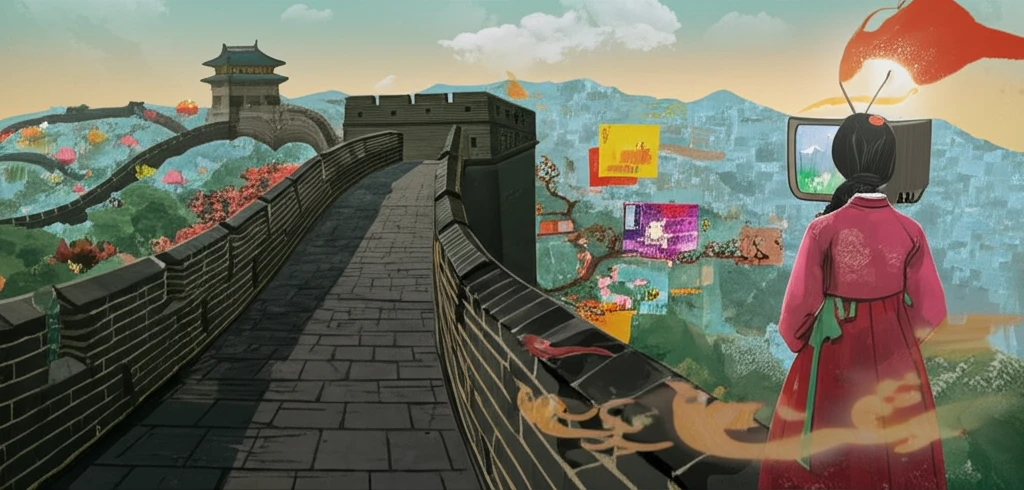
Korean Drama's Rise and Fall in China: Decoding State Control and Cultural Tides

"Explore the historical impact of state regulations and cultural shifts on Korean dramas' popularity in China, revealing how political tensions and cultural policies shape entertainment trends."
Korean dramas, or K-dramas, have surged in global popularity, captivating audiences with their unique storytelling, compelling characters, and high production values. Yet, the path of K-dramas in China has been far from smooth. It's a story of soaring success, unexpected setbacks, and the ever-present influence of state regulation.
From the late 1990s through the mid-2010s, K-dramas experienced remarkable growth in China. These shows became cultural touchstones, sparking fashion trends, boosting tourism, and even influencing consumer behavior. However, this golden era faced significant disruption due to political tensions and shifts in Chinese cultural policy.
This article delves into the fascinating narrative of Korean drama's journey in China. We'll explore the key factors behind their initial success, the impact of regulatory interventions, and the broader implications for cultural exchange and geopolitical relations.
Global Streaming Reach of Korean Drama
Platform snapshots illustrate how widely Korean dramas circulate today. iQIYI offers Korean dramas alongside Chinese, Thai dramas and anime with multiple subtitles and dubbing, while Indonesian site DrakorKita streams the latest Korean dramas for free. KoreanDrama.org lists recent popular titles such as "When Life Gives You Tangerines." These listings indicate sustained audience demand that extends well beyond Korean borders.
Distribution via Multilingual Streaming Platforms
The standard route for Korean dramas to reach international viewers runs through streaming platforms that localize content. iQIYI, for example, delivers Chinese, Korean and Thai dramas with multiple subtitle and dubbing options. A limitation visible in the sources is that free access often depends on dedicated third-party sites like Nkiri, which offers Hollywood and Korean movies for download. This fragmented landscape makes official viewership and control difficult to track.
Two Decades of Korean Drama Databases
KoreanDrama.org describes itself as a leading Korean drama and movie database operating since 2006, signaling that organized reference infrastructure for Korean content has existed for nearly two decades. Its coverage of every Korean actor and actress shows how foundational databases helped sustain and document the drama boom. The continued popularity of older titles such as "Move to Heaven (2021)" alongside new releases points to a long-running and durable audience.
The Flourishing and Faltering of K-Dramas in China
The introduction of Korean dramas in the 1990s marked the beginning of a cultural phenomenon. Following normalized diplomatic ties between South Korea and China in 1992, dramas like 'Star in My Heart' and 'What is Love All About' quickly gained traction, achieving impressive viewership. By 2005, the popularity of K-dramas peaked with 'Dae Jang Geum,' captivating millions of viewers and signaling a significant shift in entertainment preferences.
- Restrictions on the number of hours per year that Chinese TV stations could broadcast Korean dramas.
- Increased scrutiny and censorship of content.
- A push to promote domestic productions.
Fan-Driven Discovery on Social Platforms
Social media is where much current Korean drama discovery happens. TikTok pages curate discover content around series like "Melting in The Heart," including clips that blend Chinese and Korean drama. YouTube continues to circulate fan edits, with one romantic-drama compilation drawing 6.2 million views and playlists mixing more than 50 clips. These engagement figures suggest fan-generated channels are a primary lens through which new audiences encounter K-dramas.
Regulation and Banned Dramas
Not all Korean dramas reach audiences freely; the sources document shows affected by government regulations. A TikTok page devoted to "Kdramas That Are Banned in Korea" gathers stories of popular shows impacted by government rules, along with reasons for the bans. This demonstrates that state influence over dramatic content exists within Korea itself and is a recognized factor in how drama circulates.
Chinese and Korean Drama Side by Side
The source listings show Chinese and Korean dramas circulating through overlapping channels. iQIYI hosts Chinese dramas, Korean dramas, Thai dramas and anime on a single platform, while sites like DramaChina specialize in Chinese dramas for audiences that also watch Korean ones. TikTok content blends the two, describing a viewing experience that combines "Chinese and Korean drama" in one clip. The proximity of these ecosystems invites direct comparison of how each fares in the Chinese market.
Conclusion: Navigating the Complexities of Cultural Exchange
The story of Korean dramas in China is a compelling example of how cultural exchange is shaped by political, economic, and social forces. While K-dramas have faced numerous challenges, they continue to resonate with audiences and contribute to the ongoing dialogue between cultures. Moving forward, understanding the nuances of state regulation and the evolving preferences of viewers will be crucial for navigating the complexities of the global entertainment landscape.
The Viewing Environment Shaped by Platforms and Regulation
Taken together, the sources describe a Korean drama ecosystem sustained by multilingual platforms, fan databases and social media. At the same time, evidence of government-influenced bans shows how regulation shapes what can be produced and distributed. This combination of broad availability and state oversight frames the central puzzle of Korean drama's changing fortunes.
New Titles and K-Culture Beyond Drama
Forward-looking listings suggest Korean content continues to expand. DrakorKita advertises "The Odyssey (2026)" as an upcoming Korean drama, and educators are building lessons around K-Pop-inspired characters such as the Saja Boys from "K-Pop Demon Hunters." These examples point to Korean cultural exports moving from drama into adjacent formats like music, education and genre storytelling.
Informal and Free Distribution Channels
Alongside official platforms, free download and streaming sites such as Nkiri and DramaChina make Korean and Chinese dramas accessible without payment. These informal channels create copyright and revenue challenges for studios even as they extend audience reach. The coexistence of paid platforms and free aggregators means the business of Korean drama abroad remains contested.
Audience Engagement and Emotional Fandom
Fan-created content highlights the emotional connection viewers form with Korean drama tropes. A YouTube compilation featuring a "mafia bad boy" falling for an innocent girl has drawn 6.2 million views, and TikTok pages invite viewers to explore blended Chinese-Korean romance clips. Such fandoms are a human-scale reminder that behind statistics about state control are real viewers choosing stories that cross borders.