
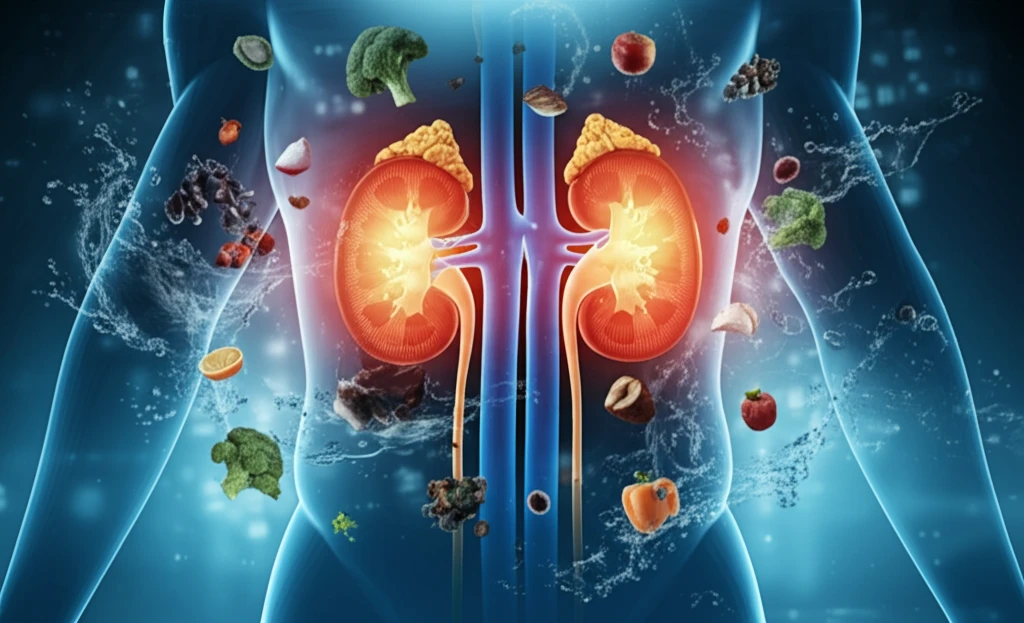
Kidney Health: How to Prevent Kidney Disease

"Understanding Your Kidneys: The Key to Lifelong Health"
Kidney disease is a silent threat affecting millions worldwide. Often, there are no noticeable symptoms until the condition has significantly progressed. This makes preventative measures and early detection crucial for maintaining kidney health and overall well-being.
Your kidneys are vital organs that filter waste and excess fluids from your blood, which are then excreted in urine. They also help regulate blood pressure, electrolyte balance, and red blood cell production. When kidneys are damaged, waste can build up, leading to a host of health problems.
This article aims to provide you with actionable strategies to prevent kidney disease, understand risk factors, and make informed choices for a healthier life. Whether you're looking to protect your kidney health or support someone who is, this guide offers practical advice and insights.
The Growing, Often Hidden Toll of Kidney Disease
Kidney disease is a costly and increasingly common condition that frequently goes undiagnosed, adding to health risks for vulnerable populations such as Medicare beneficiaries. As of November 2024, 90,323 people in the United States were on the waiting list for a kidney transplant, according to the National Institute of Diabetes and Digestive and Kidney Diseases. National Kidney Foundation figures indicate that the proportion of end-stage renal disease patients with a functioning kidney transplant has remained roughly steady at about 30 percent.
Diagnosis by Definition, and the Limits of a Silent Condition
The standard clinical definition of chronic kidney disease (CKD), as established by KDIGO, requires abnormalities of kidney structure or function present for a minimum of three months and with implications for health. A central limitation of this approach is that kidney damage often develops silently: a person may feel healthy while damage is already underway, which is why routine checks are especially important for people at higher risk, including those with hypertension or diabetes. Imaging methods such as renal ultrasound are key to assessing kidney health and, by measuring kidney size, help doctors manage kidney disease more effectively.
From Awareness Campaigns to Coordinated Care
Awareness of kidney health has grown partly through public education campaigns and dedicated health platforms. For example, Kidney Health Australia has run a national campaign called "Taking The Piss," which urges people to get a kidney health check involving a blood test, blood pressure check, and urine test. Contemporary efforts also reflect a shift toward value-based kidney care delivery designed for total care of the condition. Meanwhile, ongoing health education from institutions such as Cleveland Clinic continues to inform the public about living with kidney conditions like IgA nephropathy and C3G kidney disease.
Key Strategies for Kidney Disease Prevention
Maintaining a healthy lifestyle is fundamental to kidney disease prevention. This involves adopting a balanced diet, staying hydrated, engaging in regular physical activity, and avoiding harmful substances.
- Dietary Changes: Reduce sodium intake, limit processed foods, and increase consumption of fruits and vegetables.
- Hydration: Drink adequate water throughout the day to help your kidneys function efficiently.
- Regular Exercise: Aim for at least 30 minutes of moderate-intensity exercise most days of the week.
- Avoid Smoking and Excessive Alcohol: These habits can damage your kidneys and worsen existing conditions.
New Funding, New Questions in Kidney Research
Research activity and funding in kidney disease continue to expand. KidneyCure, the ASN Foundation for Kidney Research, describes itself as the largest private funder of kidney research and announced its 2026 grant recipients in July 2026. In the published literature, a systematic review of renal health in healthy individuals concluded that current data are insufficient to determine whether increased protein intake from a particular source, such as plant or animal, influences kidney health outcomes. Organizations like the National Kidney Foundation also continue to share the latest research and perspectives on kidney health.
When Prevention Fails: The Quiet Course of Kidney Decline
Kidney problems often develop quietly, even though healthy kidneys continuously remove excess minerals and waste products from the blood. As kidney function decreases, these substances may build up and potentially contribute to symptoms such as dry skin and persistent itching. Kidney failure itself may be acute, worsening suddenly, or chronic and long-term, with end-stage renal disease representing a complete loss of kidney function. Kidney infections, which can occur when bacteria travel up the ureters into the kidneys, are among the complications that can threaten kidney health.
What You Drink Matters: Comparing Hydration Choices
Hydration is a common point of comparison in kidney health guidance, and the type of beverage may matter as much as the amount of water. Discussions of kidney-friendly drinks often highlight herbal teas and lemon water as healthier alternatives to soda, alongside general recommendations to drink water regularly. Water type and intake targets depend on individual circumstances, however, and a healthcare team can set personalized fluid targets, especially for people managing kidney disease or other health conditions.
Taking Control of Your Kidney Health
Preventing kidney disease requires a proactive approach that combines lifestyle adjustments, regular screenings, and informed decision-making. By understanding the risk factors and adopting healthy habits, you can significantly reduce your risk and maintain optimal kidney function for years to come. Prioritize your kidney health, and enjoy a healthier, more vibrant life.
Expert Guidance on Protecting the Kidneys
Kidney specialists play a vital role in managing kidney health, particularly for advanced disease: a nephrologist is essential for a kidney transplant, guiding patients through evaluation, matching, and post-surgery care to ensure the new kidney thrives. Expert recommendations also extend to everyday choices, such as dietary habits tied to kidney stone risk. For example, experts at Acibadem Healthcare Group advise drinking coffee in moderation, drawing on research and real-world cases to clarify myths and facts about coffee and kidney stones.
Earlier Detection and More Personalized Monitoring
Looking ahead, kidney care is moving toward earlier detection and more personalized monitoring. The microalbumin test market is seeing increased demand, driven by the rising prevalence of chronic diseases such as diabetes and hypertension. For many people with IgA nephropathy, a condition in which immunoglobulin A antibodies accumulate in the kidneys and trigger inflammation, kidney function stays stable for many years. Decoding lab results such as eGFR and proteinuria, in partnership with a doctor, can help predict future kidney health.
Beyond the Kidneys: Systemic and Environmental Pressures
Kidney disease carries broad systemic consequences that extend beyond the kidneys themselves. When kidney function declines, the accumulation of toxins within the body can degrade the performance of the immune system and increase susceptibility to infections. Environmental factors also play a role: research conducted in São Paulo, Brazil, between 2011 and 2021, which analysed health data from around 37,000 individuals, found that air pollution can trigger fatal kidney diseases, with pollution levels exceeding global recommendations.
How Lives Are Changed by Better Kidney Care
Social determinants of health significantly shape who develops chronic kidney disease and how well the condition is managed, according to the National Kidney Foundation. The Kidney Disease Outcomes Quality Initiative (KDOQI), world-renowned for improving the diagnosis and treatment of kidney disease, has developed guidelines that have changed the practices of healthcare professionals and improved thousands of lives.