
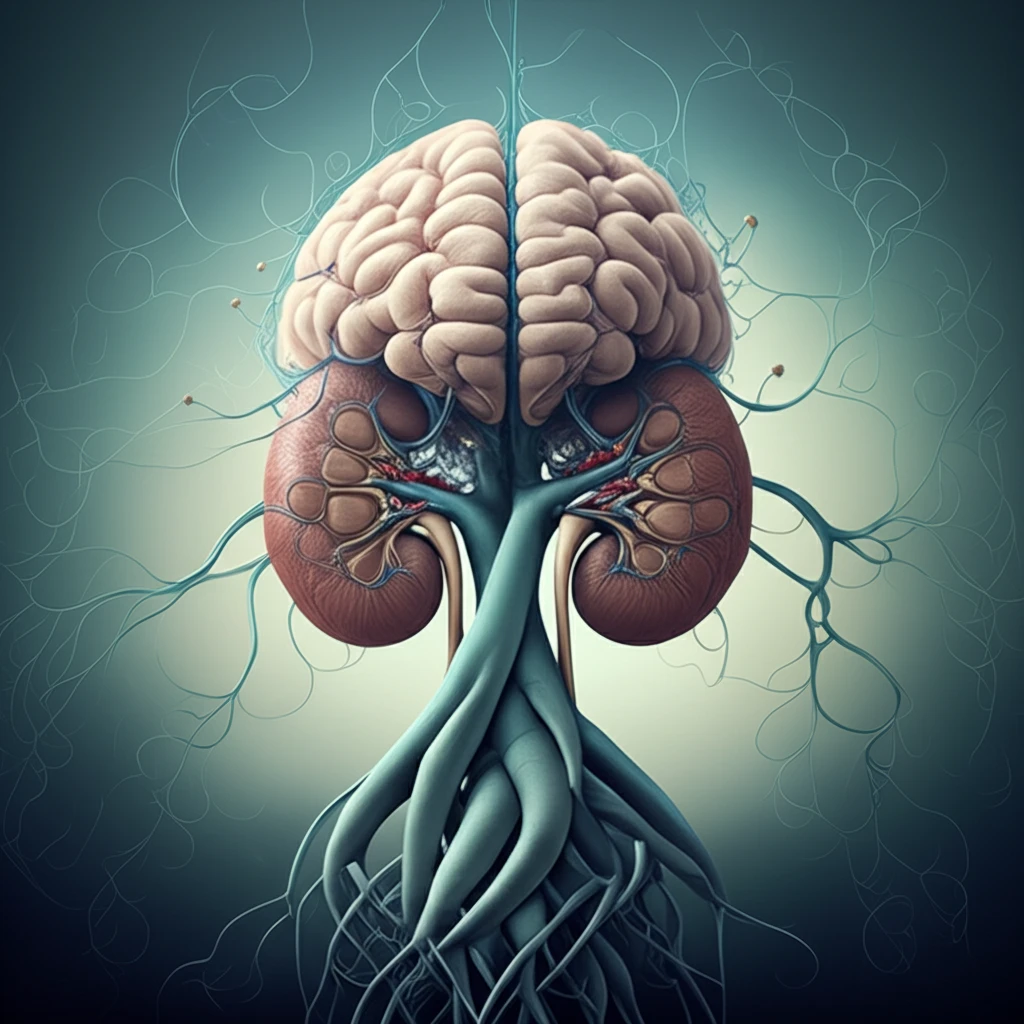
Kidney Disease and Your Brain: Understanding Neurological Complications

"Is kidney disease affecting your mental health? Explore the link between kidney disorders and brain function, and learn how to manage neurological symptoms."
Kidney disease, especially when it progresses to end-stage renal disease (ESRD), can impact many parts of the body – including the brain and nervous system. While many people are aware of the effects on physical health, the neurological complications of kidney disease are often overlooked. These complications can range from mild cognitive changes to more severe conditions affecting daily life and well-being.
It's important to recognize that kidney disease doesn't just affect your body; it can significantly influence your mental clarity, mood, and overall cognitive function. Understanding these potential neurological issues is the first step toward getting the right support and treatment.
This article dives into the different neurological problems that can arise from kidney disease, how they're diagnosed, and what you can do to manage them. Whether you're a patient, a caregiver, or simply looking to learn more, this information can help you better understand the connection between your kidneys and your brain.
Kidney Disease and Neurological Health
Kidney disease can affect more than urinary function and may have consequences for overall health, including neurological well-being. The extent and pattern of these effects can vary with the type and severity of kidney problems. Medical evaluation is important when kidney symptoms occur alongside changes in thinking, alertness, sensation, or movement.
How the Kidneys Work
The kidneys filter blood through tiny blood vessels in structures called glomeruli, and the filtered blood leaves through the renal vein. The NIDDK reports that the kidneys filter about 150 quarts of blood in a single day. They also help regulate body-fluid volume, fluid osmolality, acid-base balance, electrolyte concentrations, and toxin removal, while urine travels through the ureters to the bladder; these functions help explain why kidney problems can affect systems beyond the urinary tract.
Recognizing Warning Signs
Public guidance on kidney disease has increasingly emphasized recognizing symptoms that may signal a problem. The National Kidney Foundation’s September 15, 2025 resource describes common signs and symptoms and explains what they may mean for health. This symptom-focused approach supports earlier attention to possible kidney disease, although symptoms alone cannot establish a diagnosis.
What are the Neurological Complications of Kidney Disease?
End-stage renal disease (ESRD) is associated with several neurological disorders. Here are some of the most common:
- Uremic Encephalopathy: This condition results from the buildup of toxins in the blood due to kidney failure, affecting brain function. Symptoms can include confusion, decreased alertness, and seizures.
- Dialysis Disequilibrium Syndrome (DDS): DDS can occur during or after dialysis, especially when starting treatment. Symptoms include headache, nausea, muscle cramps, and, in severe cases, seizures or coma.
- Dialysis Dementia: A progressive and severe neurological disorder primarily seen in patients undergoing long-term hemodialysis. Though less common today due to improvements in dialysis techniques, it can cause cognitive decline, speech problems, and motor difficulties.
- Stroke: Patients with kidney disease have a higher risk of stroke due to factors like hypertension and atherosclerosis.
- Sexual Dysfunction: Both men and women with kidney disease can experience sexual dysfunction due to hormonal imbalances, nerve damage, and psychological factors.
Evolving Evidence
Research on the relationship between kidney disease and neurological complications continues to develop. Current evidence should be interpreted carefully because findings may differ according to disease stage, cause, and the neurological outcome being assessed. Clinical evaluation remains necessary when research findings are applied to an individual patient.
Limits of Current Understanding
Not every neurological symptom in a person with kidney disease is necessarily caused by the kidney condition. Symptoms can have multiple explanations, and associations observed in research do not always establish causation. This uncertainty limits how confidently broad conclusions can be applied across all patients.
Comparing Clinical Experiences
The neurological effects associated with kidney disease may differ substantially between individuals. Comparisons are difficult when patients have different underlying kidney conditions, disease severity, treatments, and coexisting health problems. A meaningful assessment therefore requires attention to the individual clinical context rather than relying on a single general pattern.
Taking Charge of Your Neurological Health
Living with kidney disease presents unique challenges, but understanding the potential neurological complications empowers you to seek the right care. By staying informed, working closely with your healthcare team, and adopting a proactive approach, you can manage these challenges and maintain a fulfilling life. Remember, your mental and neurological health are just as important as your physical well-being. With the right support, you can face these hurdles and live your best life.
An Integrated View
Kidney disease should be understood as a condition that can influence health beyond the kidneys themselves. Neurological concerns warrant attention alongside kidney function, but symptoms should be assessed rather than automatically attributed to kidney disease. Coordinated medical care can help connect changes in kidney health with changes in neurological well-being.
Future Directions
Future work may clarify which kidney-related changes are most strongly associated with neurological complications. It may also improve how clinicians identify risk and monitor symptoms over time. Until that evidence is more complete, careful assessment and individualized follow-up remain important.
The Wider Health Context
Kidney disease often intersects with other health concerns, making neurological symptoms difficult to interpret in isolation. Differences in access to screening, specialist care, and follow-up may also affect when complications are recognized. A broader approach to care can help ensure that both kidney and neurological concerns receive appropriate attention.
Living With Uncertainty
Neurological symptoms can affect concentration, independence, communication, and daily routines, adding to the burden of kidney disease. Their impact may be especially difficult when symptoms fluctuate or have more than one possible cause. Clear communication with healthcare professionals can help patients describe changes and seek appropriate evaluation.