
Is Your Water Safe? Understanding Water Quality in Sembrong Reservoir

"A Deep Dive into Monsoon Season Impacts and How to Protect Our Water Resources"
Water is the lifeblood of any community, essential for everything from drinking and sanitation to agriculture and industry. Ensuring the safety and cleanliness of our water sources is a constant challenge, especially in regions prone to heavy rainfall and seasonal changes. Sembrong Reservoir, a vital water source in Johor, Malaysia, faces unique challenges during the monsoon season that can impact its water quality and trophic status.
Monsoon season, with its intense rainfall, brings both benefits and risks. While the rain replenishes water supplies, it also carries pollutants, sediments, and other contaminants into rivers and reservoirs. This influx can disrupt the delicate balance of aquatic ecosystems, affecting the health of both humans and wildlife. Understanding these impacts is crucial for developing effective strategies to protect our water resources and ensure access to clean, safe water for everyone.
This article delves into a detailed study of Sembrong Reservoir, exploring the key factors that influence its water quality during the monsoon season. We'll examine the parameters used to assess water health, identify potential sources of pollution, and discuss the implications for the surrounding community. Whether you're a concerned citizen, an environmental enthusiast, or simply curious about the water you drink, this guide will provide valuable insights into the importance of water quality management.
Water's Fundamental Role on Earth
Water is one of the most abundant molecules on Earth's surface and plays a vital role in the dynamic interactions between rocks, soil, and the atmosphere. The vast bulk of water on Earth is saline or salt water, having accumulated dissolved salts over billions of years through continental crust erosion and evaporation cycles. Water serves as a universal solvent due to its structural, chemical, and physical properties, making up 70% or more of the weight of most living organisms.
Overview of Water Quality Assessment Methods
While detailed source material on specific methodologies was not available for this section, understanding reservoir water quality typically involves measuring parameters such as dissolved oxygen, pH, turbidity, nutrient concentrations, and microbial contamination. These standard approaches can capture snapshots of water conditions but may not fully account for seasonal variations or long-term trends in reservoir ecosystems.
Historical Context of Water Science
Scientific understanding of water's properties has evolved significantly, from recognizing its role as a solvent to understanding its molecular structure and interactions with the environment. Foundational discoveries about water's density, salinity, and oxygen content have shaped how we evaluate water quality in natural systems like reservoirs.
Monsoon Season: A Perfect Storm for Water Quality Challenges
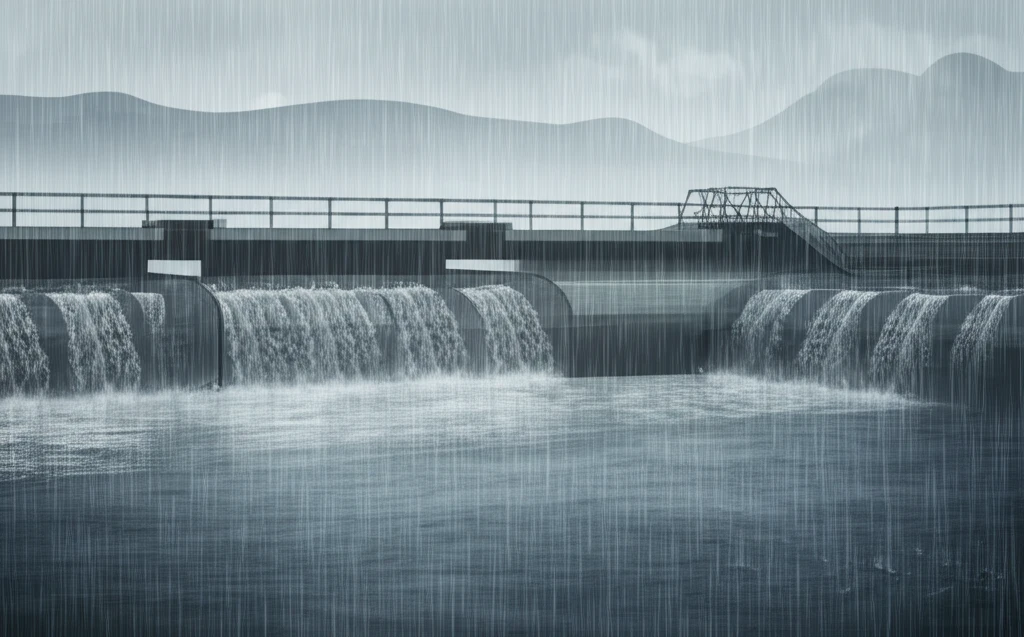
Malaysia, like many Southeast Asian countries, experiences heavy rainfall during the monsoon season, typically from late September to the end of March. This intense precipitation can lead to significant surface runoff, washing soil, sand, and various foreign substances directly into rivers and reservoirs. The consequences of this runoff are far-reaching, impacting the chemical and biological composition of the water and potentially threatening its suitability for human consumption and aquatic life.
- Industrial Waste: Factories and manufacturing plants may discharge untreated or partially treated wastewater into rivers, introducing harmful chemicals and toxins.
- Agricultural Activities: Farming practices, including the use of fertilizers and pesticides, can contribute to nutrient runoff and chemical contamination.
- Domestic Waste: Untreated sewage and household waste can pollute water sources with bacteria, pathogens, and other harmful substances.
Current Research on Reservoir Water Quality
Research into reservoir water quality continues to evolve, examining factors such as seasonal changes in dissolved oxygen levels, nutrient loading from surrounding land use, and the impacts of climate variability on water temperature and stratification. Studies of specific reservoirs like Sembrong would benefit from ongoing monitoring to track changes over time and identify emerging threats to water safety.
Challenges in Water Quality Management
Effective water quality management faces numerous challenges, including the difficulty of balancing competing demands on water resources and the limitations of point-in-time sampling in capturing dynamic environmental conditions. Additionally, the complexity of reservoir ecosystems means that interventions targeting one parameter may have unintended consequences on others.
Comparing Reservoir Water Quality Approaches
Different reservoirs employ varying approaches to water quality monitoring and management, influenced by local conditions, available resources, and specific water use priorities. Comparative studies can reveal best practices and lessons learned, though direct comparisons must account for differences in watershed characteristics and climate conditions.
Protecting Our Water: A Call to Action
The findings from the Sembrong Reservoir study underscore the urgent need for proactive water quality management strategies. By understanding the factors that impact water health during the monsoon season, we can implement effective measures to mitigate pollution and protect our precious water resources. This requires a collaborative effort involving government agencies, local communities, and individual citizens.
Integrating Water Quality Knowledge
Experts generally agree that comprehensive water quality assessment requires integrating multiple data sources and monitoring approaches. Understanding the fundamental properties of water, such as its solvent capacity and density characteristics, provides essential context for interpreting more specific water quality measurements.
Advancing Water Quality Science
Future advances in water quality monitoring may leverage new sensor technologies and data analytics to provide more continuous and detailed assessments of reservoir conditions. Research into the interactions between water chemistry, biology, and physical properties continues to expand our understanding of how to maintain safe water supplies.
Water Quality in a Changing World
Reservoir water quality exists within a broader context of environmental change, including shifting precipitation patterns, land use modifications, and increasing demand for freshwater resources. Addressing these systemic challenges requires coordinated approaches that consider both local conditions and regional environmental trends.
Human Dimensions of Water Quality
Water quality directly affects human health and livelihoods, particularly for communities that depend on reservoirs for drinking water, irrigation, or fisheries. The intersection of scientific understanding with community needs highlights the importance of accessible information about water conditions and transparent communication about water safety.