
Is Tuna Safe? New Tech Spots Histamine Risks Before Dinner

"Scientists develop chitosan-based polymers to detect histamine in tuna, enhancing food safety for everyone."
Imagine biting into a tuna steak, only to worry about whether it's truly safe to eat. Histamine, a sneaky compound that forms when fish isn't stored properly, can cause unpleasant reactions. For many years, ensuring the safety of tuna has been a complex challenge, relying on methods that are often time-consuming and not always reliable.
But what if there was a way to quickly and accurately detect histamine, ensuring that only the safest tuna makes it to your plate? Recent breakthroughs in food safety are making this a reality, using innovative materials to enhance the detection process. This isn't just about avoiding a bad meal; it's about protecting public health with smarter technology.
This article explores how new research is revolutionizing the way we approach tuna safety, making use of advanced polymers to detect histamine levels with unprecedented precision. We’ll dive into the science, explore the implications, and understand why this matters for consumers everywhere.
Histamine: The Invisible Risk on the Plate
Tuna is highly sensitive to temperature changes, and when it warms above safe limits, bacterial growth and histamine formation can occur, making histamine one of the most important food-safety hazards in this fish. Raw tuna served as tartare or sashimi carries additional risks of foodborne pathogens such as Listeria, Salmonella, and the Anisakis parasite. The danger is highest in warm-held sushi or poke counters, such as all-you-can-eat buffets, where histamine levels can climb to unsafe concentrations.
Cold Chain Is the Classic Defense
The standard approach to safe tuna centers on rapid chilling and storage at very low temperatures from deck to dinner, because temperature control is the primary brake on bacterial growth and histamine accumulation. Commercial crews and home cooks alike rely on icing, blast chilling, and continuous cold storage to keep the fish below the threshold where microbial risk accelerates. The limitation is that the entire cold chain must hold: any warm spell, whether on a fishing boat or at a buffet counter, can undo earlier precautions.
A Fishery Understood Through Migration
Scientific understanding of tuna stocks has grown through decades of tagging and tracking research. NOAA scientists determined that bluefin tuna from the eastern Atlantic experienced much higher fishing mortality when in the east compared to the west or north, indicating that migrating to the West and North Atlantic provides a refuge for the population. This foundational insight reshaped how fisheries managers view Atlantic bluefin and informs harvest decisions that still shape today's catch.
The Science of Safe Tuna: Molecularly Imprinted Polymers
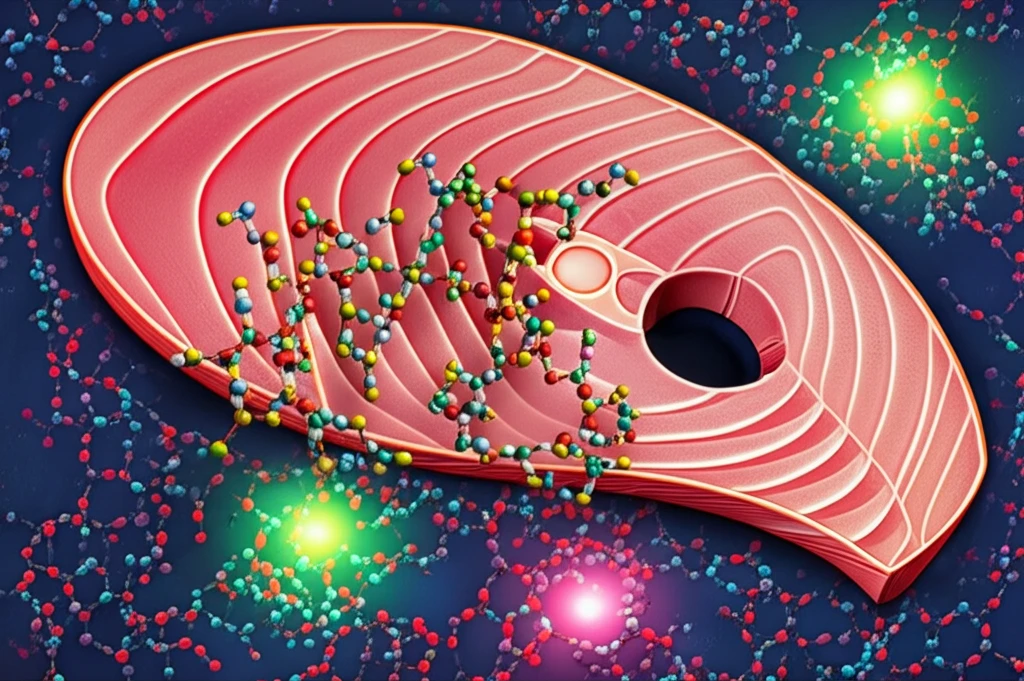
At the heart of this advancement is the development of chitosan-based magnetic molecularly imprinted polymers (CHI/MIPs). These aren't your average food safety tools; they're sophisticated materials designed to selectively capture histamine molecules. Chitosan, a natural polymer derived from chitin (found in crustacean shells), forms the base of these MIPs. The real magic happens when these polymers are 'imprinted' with histamine, creating specific binding sites that can quickly and efficiently grab histamine from a tuna sample.
- Synthesis of MNPs: Magnetic nanoparticles are created, providing a base for the polymer.
- Surface Modification: These nanoparticles are modified with GPTMS (a silane), enhancing their ability to bind with chitosan.
- Polymerization: Chitosan is cross-linked using GPTMS in the presence of histamine, forming the molecularly imprinted polymer.
- Selective Separation: These polymers selectively separate and determine histamine in tuna fish.
Fluorescence Sensors Bring New Detection Power
Recent research has focused on fluorescence-based sensors that measure histamine content in food samples by detecting fluorescence intensity. The method processes the sample using agents such as methanol before reading the signal, offering a faster, more accessible alternative to traditional histamine assays. Laboratory kits built on these principles now provide standardized assay procedures for quantitative histamine detection, advancing the tools available to food-safety testing.
When the Cold Chain Breaks, Safety Fails
The most common failures occur when fish is handled, stored, or prepared improperly before it reaches the plate, which is exactly the condition that turns otherwise safe tuna into a hazard. Raw tuna served to pregnant women, immunocompromised individuals, or those with liver disease carries documented Listeria, Salmonella, and Anisakis risk. Warm-held displays at buffets and poke counters are the settings most often implicated in histamine-related illness, showing that safety is a property of handling, not of the fish itself.
Canned Light Versus Canned White Tuna
Not all tuna products carry the same contamination profile, a comparison well illustrated by mercury levels in canned tuna. Mercury levels in canned white tuna, which is exclusively albacore, are almost three times higher than those found in smaller skipjack tuna that make up chunk light products. This distinction gives consumers a practical rule: choosing chunk light over solid white albacore reduces mercury exposure from canned tuna.
A Safer Future for Tuna Consumption
The development of CHI/MIPs represents a significant leap forward in ensuring food safety. By providing a rapid, reliable, and cost-effective method for detecting histamine in tuna, this technology promises to reduce the risk of histamine poisoning and enhance consumer confidence. As these methods become more widely adopted, we can look forward to enjoying tuna with greater peace of mind, knowing that science is working to keep our meals safe and delicious.
Safe Is a Process, Not a Property
Experts conclude that sushi made with raw fish is generally safe to eat, but that safety depends almost entirely on how the fish was handled, stored, and prepared before it reached the plate. At a reputable restaurant following proper food-safety procedures, the combination of source selection, rapid chilling, and cold storage dramatically lowers the risk of histamine formation and parasite transmission. In practice, the same fish that is risky at a warm buffet can be reasonably safe when it has stayed in the cold chain from catch to counter.
Sensors and Speed on the Horizon
The next frontier is moving histamine detection closer to the point of consumption, with fluorescence sensors offering the promise of quicker results than traditional lab assays. As sample-processing protocols are refined, such tools could allow restaurants and even consumers to verify histamine safety before dinner is served. Combined with continued emphasis on rapid chilling and very low-temperature storage, this technology could make the cold chain both stricter and easier to verify.
Temperature Is the System's Weak Link
The broader challenge is systemic: tuna moves from fishing boat to processor to restaurant to table, and every link in that chain must maintain the cold. Because tuna is highly sensitive to temperature changes, any warming above safe limits anywhere in the system can trigger bacterial growth and histamine formation. This makes food safety less about any single step and more about the reliability of the entire cold-supply infrastructure.
Who Bears the Greatest Risk
The real-world impact of tuna safety falls most heavily on the vulnerable: pregnant women, immunocompromised individuals, and people with liver disease face elevated risk from Listeria, Salmonella, and Anisakis when consuming raw tuna. Consumers are becoming more aware, with efforts now visible online showing exactly the effort required to keep fish safe through rapid chilling and proper very-low-temperature storage. For these higher-risk groups, choosing fully cooked or properly handled tuna is a meaningful, everyday health decision.