
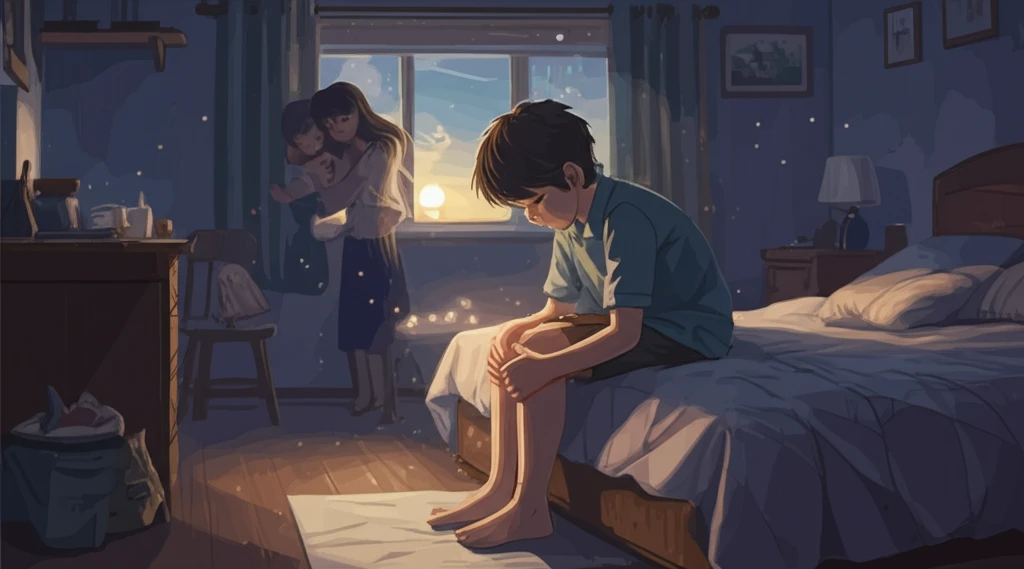
Is it Growing Pains or Something More? A Parent's Guide to Pediatric Limb Pain

"Understanding the common causes, diagnostic criteria, and when to seek further evaluation for your child's unexplained leg pain"
As a parent, seeing your child in pain is one of the hardest things. When they complain of aches and throbbing in their legs, especially at night, it's natural to worry about what could be wrong. While "growing pains" are a common explanation, it's essential to understand what that really means and when the pain might indicate something more serious.
Limb pain is a frequent reason for visits to the pediatrician. The challenge for doctors – and the source of anxiety for parents – is that not all limb pain has an obvious cause. When physicians can’t immediately pinpoint the issue, it can be unsettling. Parents want reassurance that their child's discomfort is being taken seriously and that all possible causes are being considered.
This article aims to provide clarity on the topic of unexplained limb pain in children, drawing on a study conducted in Bangladesh that examined the prevalence and characteristics of growing pains in a pediatric population. We'll explore what growing pains are, how they're diagnosed, what other conditions might be responsible for similar symptoms, and, most importantly, when to seek professional medical advice.
Prevalence of Growing Pains in Children
Growing pains represent a common childhood complaint, typically affecting children between the ages of 3 and 12 according to NHS guidance. The condition is characterized by leg pain that is generally considered harmless and tends to resolve without treatment. While the exact prevalence statistics are not provided in the available sources, the NHS identifies this as a frequent pediatric concern that usually improves on its own. Pain management typically involves simple analgesics such as paracetamol for symptom relief.
Limitations in Diagnosing Pediatric Limb Pain
Current approaches to diagnosing pediatric limb pain face significant standardization challenges across medical platforms. Method heterogeneity and lack of standardized protocols can confound direct comparisons and generalization of diagnostic findings. These analytical differences across platforms and thresholds create difficulties in establishing uniform criteria for distinguishing growing pains from other pediatric conditions. The absence of harmonized approaches limits the ability to develop consistent clinical guidelines for practitioners.
Understanding Growing Pains Through History
The concept of 'growing pains' has historically represented the difficulties and adjustments experienced during periods of growth and development. In pediatric medicine, these pains are understood as aching sensations typically occurring in the thighs, calves, or behind the knees. Research indicates that growing pains are often associated with increased physical activity and play rather than actual bone growth. Importantly, medical understanding has established that these pains do not damage bones or muscles, providing reassurance to concerned parents.
Understanding Growing Pains: More Than Just Aches
The term “growing pains” can be misleading. Despite the name, there’s no proven link between these pains and growth spurts. Instead, growing pains are classified as a type of non-inflammatory pain syndrome that commonly affects children aged 3 to 12. The good news is that growing pains are generally benign and tend to resolve by late childhood.
- Location: Pain typically occurs in both legs, often in the shins, calves, thighs, or behind the knees.
- Timing: Pain usually strikes in the late afternoon, evening, or during the night, sometimes even waking the child.
- Nature of Pain: The pain is often described as deep, throbbing, or aching.
- Physical Exam: There are no objective signs of inflammation, such as swelling, redness, or tenderness, and lab tests are normal.
Current Research on Growing Pains Mechanisms
Contemporary research continues to investigate the underlying mechanisms of growing pains in children. Studies from Pain News Network indicate that while the Mayo Clinic notes there is no evidence that growth spells actually cause physical pain, the discomfort children experience is very real. Current investigations focus on understanding why these pains occur and developing better diagnostic criteria. Research methodologies are evolving to better capture the experiences of children with these conditions.
Challenges in Understanding Pediatric Pain
The understanding of growing pains faces various challenges and alternative perspectives. Some viewpoints question whether traditional interpretations adequately explain the persistence of these complaints. Real-world experiences often reveal complexities that standardized models fail to capture completely. These challenges highlight the need for more nuanced approaches to pediatric pain assessment and management.
Comparative Approaches to Pediatric Pain Assessment
Different methodologies exist for assessing and comparing pediatric pain conditions. Various platforms offer side-by-side comparisons that can help in understanding different aspects of growing pains. These comparative tools provide detailed specifications and visualizations that aid in distinguishing between different types of pediatric limb discomfort. Such systematic comparisons contribute to more informed clinical decision-making processes.
When to Seek Medical Advice
While growing pains are usually harmless, it's essential to rule out other potential causes of limb pain. If your child experiences any of the following symptoms, it's crucial to consult a doctor for further evaluation: Pain that persists into the morning Pain associated with fever, swelling, redness, or tenderness Limping or difficulty walking Pain in only one limb Persistent pain that interferes with daily activities Unexplained weight loss or fatigue
Expert Perspectives on Growing Pains
Medical experts from institutions like Cleveland Clinic emphasize that growing pains are achy or cramping sensations that children experience, usually in their legs. These pains often occur later in the day or at night, affect both legs, and improve with rest. Importantly, experts acknowledge that while the pain is real, current understanding suggests it doesn't directly relate to the growth process itself. This expert consensus provides valuable guidance for parents navigating childhood complaints.
Emerging Trends in Pain Research
Future developments in pediatric pain research may leverage digital health technologies and evolving analytical methods. Current trends suggest increasing integration of technological solutions for better understanding and management of childhood pain conditions. Research directions are moving toward more personalized approaches that consider individual variations in pain experience. These advancements may lead to improved diagnostic tools and treatment strategies for growing pains.
Systemic Factors Influencing Pediatric Pain Management
Broader systemic challenges affect how pediatric pain conditions are understood and managed. Various factors including healthcare access, resource allocation, and research funding impact the development of effective interventions. These systemic issues create both obstacles and opportunities for improving care for children experiencing limb pain. Addressing these challenges requires coordinated efforts across multiple sectors of healthcare and research.
Real-World Experiences with Growing Pains
Case studies demonstrate the real impact of growing pains on children and families. Documented cases show that children experiencing leg pain often have accompanying issues like frequent bedwetting that improve with appropriate care. These personal accounts highlight how growing pains can affect daily life and family routines. Understanding these lived experiences is crucial for developing compassionate and effective approaches to pediatric pain management.