
Is Inflammation Sabotaging Your Heart Health? How to Protect Your Arteries

"Uncover the surprising link between inflammation and cardiovascular health, and learn simple steps to safeguard your arteries."
For years, we’ve been told that high cholesterol and a sedentary lifestyle are the biggest threats to heart health. While these factors remain critical, a growing body of evidence points to another silent culprit: inflammation. Inflammation, the body's natural response to injury or infection, can, when chronic, wreak havoc on our arteries, setting the stage for serious cardiovascular problems.
The good news is, understanding the connection between inflammation and your heart empowers you to take proactive steps. By identifying and managing inflammatory triggers, you can protect your arteries and significantly reduce your risk of heart disease. This article dives deep into the science of inflammation's impact on your cardiovascular system and provides actionable strategies to help you keep your heart strong and healthy.
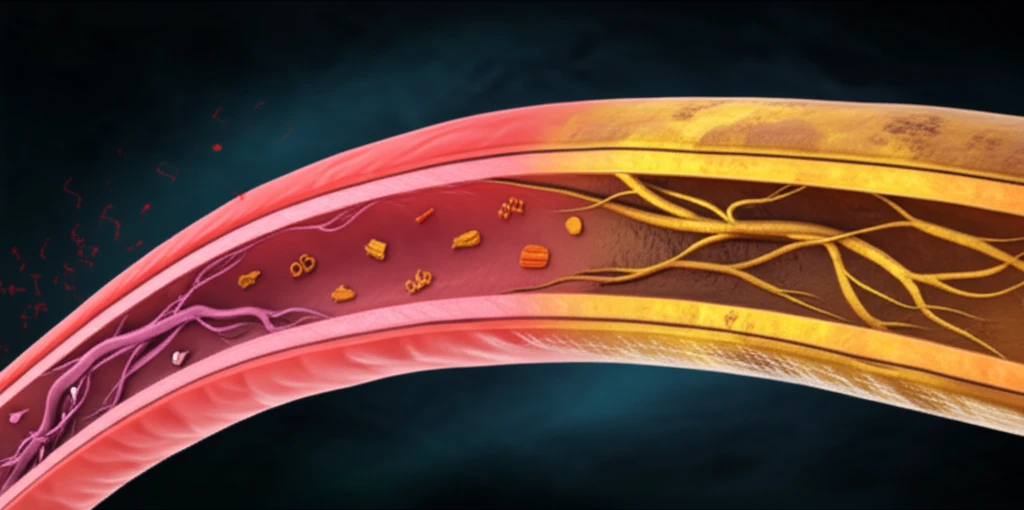
Think of your arteries as the highways of your body, responsible for transporting oxygen-rich blood to every organ and tissue. When inflammation becomes chronic, it's like setting off a chain reaction that damages these vital pathways. This damage can lead to a build-up of plaque, a hardening of the arteries (atherosclerosis), and ultimately, an increased risk of heart attack and stroke.
The Scope of Inflammation-Related Heart Disease
Cardiovascular disease remains one of the leading causes of death and disability worldwide. While traditional risk factors like high cholesterol, hypertension, and smoking are well established, chronic low-grade inflammation is increasingly recognized as a significant contributor to heart disease burden. Emerging evidence suggests that inflammation may be involved in the development and progression of atherosclerosis and other cardiovascular conditions, though the precise population-level impact continues to be studied.
Targeting Inflammation: Promise and Challenges
Inflammation plays a critical role in the genesis, progression, and manifestation of cardiovascular disease. While safely modulating inflammation using targeted therapeutics remains a challenge, recent prospective studies demonstrate that targeting inflammation may offer a novel approach to reducing risk for acute cardiovascular events. The fields of cardio-immunology and cardio-rheumatology have emerged to address the intersection of immunology, cardiology, and rheumatology in cardiovascular care. Notably, treatments for inflammation or other conditions like cancer can themselves become a cause of cardiovascular injury and inflammation.
Inflammation's Long-Recognized Role in Heart Disease
Cardiology experts have increasingly called for more widespread testing for inflammation, characterizing it as just as important as cholesterol in causing clogged heart arteries. This represents a significant shift in how the medical community understands the mechanisms underlying cardiovascular disease. The recognition that inflammation is a smoldering threat to heart health has been building over time, with experts now advocating for greater attention to inflammatory markers in clinical practice.
What's the Link Between Inflammation and Arterial Damage?
The connection between inflammation and arterial damage is complex, involving several key players and processes. Here's a breakdown of how inflammation contributes to cardiovascular problems:
- Immune Cell Activation: The immune system responds to these triggers by releasing inflammatory cells and molecules.
- Endothelial Dysfunction: This chronic inflammation damages the endothelium, the delicate inner lining of your arteries. A healthy endothelium is crucial for regulating blood flow and preventing plaque formation.
- Plaque Formation: Damaged endothelial cells become more susceptible to the build-up of plaque, made up of cholesterol, fats, and other substances. As plaque accumulates, it narrows the arteries, restricting blood flow.
- Artery Hardening: Over time, inflammation contributes to the hardening of arterial walls, making them less flexible and further impeding blood flow.
New Findings on Anti-Inflammatory Approaches
Recent research has demonstrated that anti-IL-1β treatment and NLRP3 inflammasome inhibition can ameliorate vascular inflammation and atherosclerosis progression through two mechanisms: a reduction in blood inflammatory markers and direct effects on vascular tissue. The 2025 ACC Scientific consensus report provides an updated understanding of the role of chronic, low-grade inflammation in cardiovascular disease, highlighting new seminal research findings in atherosclerosis, myocardial infarction, heart failure, and pericarditis. Additionally, researchers are examining ways to reduce the inflammation specifically associated with cardiovascular disease.
Complexity and Limitations of Anti-Inflammatory Trials
Heart failure remains a leading cause of cardiovascular morbidity and mortality worldwide, with inflammation playing a pivotal role in its pathogenesis. Despite observational studies linking elevated indices of inflammation with heart failure severity, and experimental models highlighting the centrality of inflammation to the pathogenesis of various types of heart failure, clinical trials of anti-inflammatory therapies have faced significant challenges. The complexity of pro-inflammatory pathways and their contribution to heart failure pathogenesis continues to complicate therapeutic development.
Inflammation as Cause vs. Sign of Heart Disease
There is ongoing debate about whether inflammation directly causes cardiovascular disease or is primarily a sign of underlying atherosclerosis. The American Heart Association notes that although it is not proven that inflammation causes cardiovascular disease, inflammation is common for heart disease and stroke patients and is thought to be a sign or atherogenic response. In contrast, some researchers characterize heart disease as a disease of inflammation, arguing that inflammation plays a direct causal role in the development and progression of cardiovascular conditions.
Take Charge of Your Heart Health Today
Protecting your arteries from the damaging effects of inflammation doesn't require drastic measures. Small, consistent changes to your lifestyle can make a significant difference. By prioritizing anti-inflammatory foods, managing stress, staying active, and working with your healthcare provider to address any underlying inflammatory conditions, you can pave the way for a healthier, stronger heart for years to come. Start today, and your heart will thank you for it.
Expert Consensus on Inflammation and CVD
The 2025 ACC Scientific Expert Consensus provides comprehensive recommendations for screening, evaluation, and cardiovascular disease risk assessment related to inflammation. The consensus addresses inflammatory biomarkers in cardiovascular imaging and outlines anti-inflammatory approaches in both primary and secondary prevention. It also covers the role of inflammation inhibition in addressing behavioral and lifestyle risks, as well as applications in heart failure and other cardiovascular diseases.
Advancing Anti-Inflammatory Strategies
The 2025 ACC Scientific Expert Consensus establishes a framework for future research and clinical practice in addressing inflammation-related cardiovascular disease. Recommendations are being developed for integrating inflammatory biomarkers into routine cardiovascular risk assessment and imaging protocols. The consensus also points toward expanding the use of anti-inflammatory approaches across the spectrum of cardiovascular disease prevention and treatment, from primary prevention to managing established conditions like heart failure.
Systemic Barriers to Addressing Inflammation
Addressing inflammation in cardiovascular disease presents broader systemic challenges that extend beyond individual patient care. The integration of inflammatory biomarkers into standard clinical practice requires changes in healthcare delivery, provider education, and patient awareness. Additionally, the development and accessibility of targeted anti-inflammatory therapies remain important considerations for improving population-level cardiovascular health outcomes.
Clinical and Economic Burden of Inflammatory Heart Disease
A better understanding of the impact of systemic inflammation on acute myocardial infarction-related clinical and economic burdens is essential for both patients and the health care system. The American Heart Association has launched a data challenge to explore inflammation's hidden role in heart disease, with finalists presenting findings at Scientific Sessions and the goal of publishing results in peer-reviewed journals. This initiative marks a strategic opportunity to identify solutions while elevating awareness about inflammation's overall impact on heart health.