
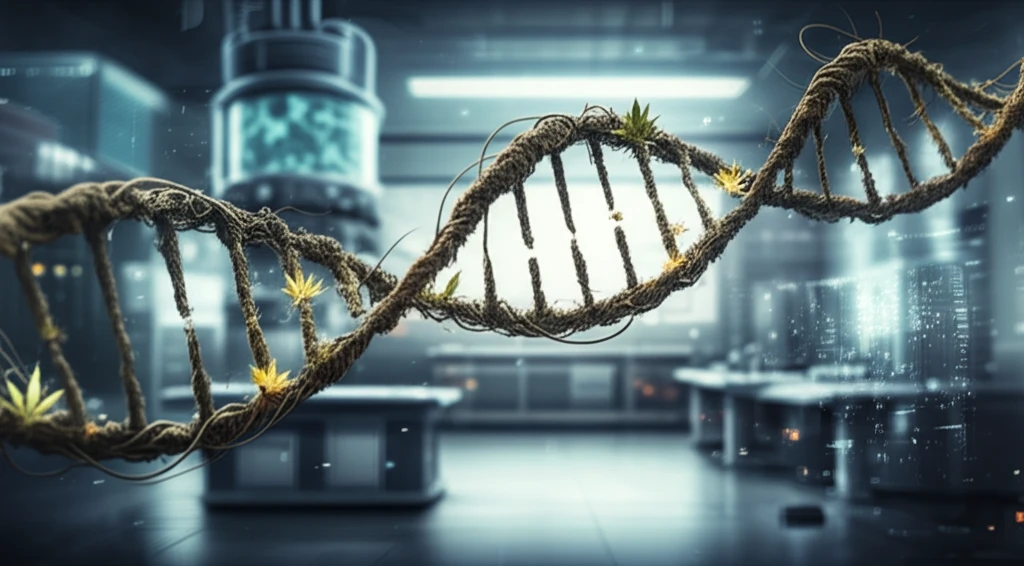
Hair Today, Gone Tomorrow? The Truth About Cannabis Detection

"Uncover the science behind detecting cannabis use through hair analysis and what it means for you."
In an era where drug testing is increasingly common, understanding the science behind these tests is more critical than ever. Cannabis, one of the most widely used substances globally, often finds itself at the center of these discussions, especially when it comes to detecting its use. Unlike blood or urine tests that provide a snapshot of recent consumption, hair analysis offers a longer-term view, raising questions about its accuracy and implications.
This article delves into the specifics of detecting cannabis use through hair analysis, focusing on 11-nor-9-carboxy-tetrahydrocannabinol (THC-COOH), the primary metabolite of THC that remains in the hair. We'll explore the methodologies used in forensic science, the challenges in interpreting results, and what this means for individuals who may be subject to such testing.
Whether you're a cannabis user, an employer, or simply curious about the science, this guide provides clear, accessible information to help you understand the complexities of cannabis detection in hair.
Wide Detection Windows and Emerging Digital Measures
Detection windows for cannabis vary widely depending on factors such as the frequency of a person's overall use, with research indicating that someone smoking cannabis for the first time may test positive for about 3 days. Existing detection measures such as blood, urine, or saliva tests have well-documented limitations as indicators of cannabis intoxication and cannabis-related impairment in daily life. In response, researchers analyzing daily data from young adults who reported cannabis use at least twice per week found that smartphone sensor data has potential to detect cannabis use. A small recent study reported that smartphone data could predict whether someone had been smoking cannabis at up to 90 percent accuracy.
Why Conventional Tests Fall Short of Measuring Impairment
Standard alcohol breathalyzers cannot detect cannabis, and THC breath testing differs fundamentally from alcohol screening. Blood and urine tests carry many limitations, in part because THC metabolites can remain in the bloodstream for weeks after the last cannabis use, well beyond the period of intoxication. Many jurisdictions use per se limits to define cannabis-impaired driving, but research has highlighted the failings of such thresholds in detecting cannabis-induced driving impairment. Until novel impairment detection methods are realized, a multidimensional approach to identifying drivers who may be impaired by cannabis is advisable.
From Ancient Traces to the Modern Breathalyzer Goal
Cannabis use is highly detectable, and testing has historically relied on urinalysis, hair analysis, and saliva tests capable of detecting use for days or weeks. Archaeological findings suggest the plant's use stretches back centuries, with cannabis residues apparently burnt mixed with dung in ancient settings. A recent milestone came when NIST made its first detection of THC in breath after the ingestion of cannabis, a step researchers described as important even though making a breathalyzer for cannabis is harder than making one for alcohol. Satellite-based approaches have also been explored, including a comparative analysis of cannabis detection from optical and RADAR data fusion.
The Science of Detection: How Hair Analysis Works
Hair analysis for cannabis focuses on detecting THC-COOH, a non-psychoactive byproduct formed after the body metabolizes THC. This metabolite becomes trapped within the hair shaft as it grows, providing a historical record of cannabis use. The process typically involves:
- Pretreatment: The hair sample undergoes a washing process to remove external contaminants like smoke or residue.
- Digestion: The hair is chemically broken down to release the trapped THC-COOH.
- Analysis: Sophisticated techniques such as liquid chromatography-tandem mass spectrometry (LC-MS/MS) are used to identify and quantify the presence of THC-COOH.
A Two-Breath Approach Toward a Roadside Test
Detecting cannabis in the body is of interest not only to criminal investigations but also to researchers seeking to elucidate the kinetics of THC in biological systems. Because single measurements have proven unreliable for establishing recent use or impairment, researchers are now considering a new approach involving two breath tests administered within roughly an hour of each other. If their research is successful, it could lead to a roadside test for cannabis use involving two breath tests given at a specified interval apart.
Contamination, Label Scarcity, and Detection Gaps
Cannabis legalization and consumption in the United States have accelerated over the past decade, producing a rapidly diversifying marketplace of medical and adult-use products, and as of 2025 medical cannabis is permitted in 47 states. A critical review of the field highlights ongoing concerns about contaminants in cannabis products and the challenges of detecting them reliably. In a separate line of research, detecting cannabis use from wearable sensor data in free-living environments is complicated by label scarcity; to address this, the CUDLE framework applies self-supervised learning with real-world wearable sensor data to automatically detect cannabis consumption.
Biological Tests, Detection Dogs, and Machine Learning Compared
Cannabis detection times vary by sampling method, with blood tests generally detecting use for about 24-48 hours and other sample types offering different windows. Detection dogs add a non-biological alternative, trained to signal the presence of illicit substances in airports, public transport spaces, and large events. On the technology side, a comparative analysis examined four machine-learning algorithms for cannabis detection using optical and RADAR data fusion. Across all approaches, cannabis is one of the most variable substances for detection, with approximate windows for urine, blood, saliva, and hair tests shifting according to individual and usage factors.
What the Future Holds for Cannabis Hair Analysis
While hair analysis provides valuable insights into long-term cannabis use, it's essential to approach the results with caution. As research continues, we can expect further refinements in testing methodologies and a more nuanced understanding of the factors influencing THC-COOH concentrations in hair. Staying informed about these developments is key for anyone navigating the complex landscape of drug testing and its implications.
Beyond the Individual: Exposure, Crashes, and Testing Realities
Hair tests can detect cannabis for up to 90 days after use, while blood tests generally detect it for only about a day, underscoring how method choice shapes outcomes. The stakes extend beyond individual drug tests: a UC San Diego analysis found that the odds of detectable cannabis in children were five times higher in households with reported in-home cannabis smoking, exposure to toxic chemicals including known carcinogens that could have long-term health effects. In driving, meta-analyses and culpability studies consistently indicate a slightly but significantly increased risk of crashes after acute cannabis use, though risk varies across study type, crash severity, and method of substance application and measurement.
Optical Spectroscopy and Smarter Roadside Measures
Optical spectroscopy is emerging as a key method for cannabis detection, important for both public health and the enforcement of narcotics laws, and experts expect the technology to develop further. The consumer and commercial market has also seen cannabis detectors introduced for purposes such as identifying marijuana smoke. Experts argue that urine and blood tests report cannabis use from days before most recent consumption and are not fair ways to determine whether a driver is currently high, since detecting cannabis does not necessarily correspond directly to impairment. The need is urgent: data from Ireland show cannabis detections among drivers rose by 13% annually, signaling a change in the drugs most commonly used by people driving under the influence.
Why THC's Persistence Makes Detection a Nuanced Problem
Unlike alcohol detection, cannabis intoxication poses complex challenges because THC remains in the body for weeks after use, complicating accurate detection. Cannabis detection is more than a simple yes-or-no answer; it is a nuanced process shaped by how long weed stays in the system and the type of drug test being used. Detection times for medical cannabis use vary depending on the method of consumption, frequency of usage, and individual factors such as metabolism, body-fat percentage, diet, hydration, and physical activity. Urine testing remains the most common method of identifying cannabis use.
From Workplace Tech to the Roadside: Real-World Applications
New tools are moving detection beyond the lab and into everyday settings: Gaize, a technology company in the safety and impairment detection space, worked with DigiDaaS to pioneer what it describes as the world's first effective cannabis impairment detection solution. Similarly, Rutgers researchers achieved about 90 percent accuracy using smartphone sensors to detect cannabis intoxication, with potential applications in health and forensic science. Open questions remain about how to assess cannabis-intoxicated drivers at the roadside, including how valid simulated driving research is for drawing conclusions about cannabis's effect on real-world driving ability and whether cannabis impairs both virtual and actual on-road driving.