
Gut Health SOS: Simple Ways to Tackle Constipation and Restore Your Natural Rhythm

"Understanding Obstipation, Natural Remedies, and Expert-Backed Solutions for a Happier Gut"
Constipation can be an uncomfortable and frustrating condition, affecting many aspects of daily life. Obstipation, or severe constipation, requires a comprehensive approach that addresses both the symptoms and the underlying causes. Effective management involves a systematic strategy, often following a step-by-step approach to ensure thorough relief.
The journey to overcoming constipation typically begins with general measures, such as dietary adjustments and increased physical activity. These foundational steps can significantly impact digestive health, promoting regular bowel movements and overall comfort. However, when these initial efforts fall short, additional interventions may be necessary.
For many, incorporating more fiber into their diet through the use of soluble fiber supplements like Indian psyllium seed husks can be beneficial. These natural bulking agents help to soften the stool and facilitate easier passage. When dietary changes and fiber supplements are insufficient, laxatives may be considered as the next line of defense in managing constipation.
A Common Gut Complaint
Constipation is a widespread digestive complaint that leaves people uncomfortable, bloated, and searching for relief. Multiple sources confirm that adding dietary changes, increasing hydration, and incorporating specific foods are among the most commonly recommended first steps. The condition can result when the normal digestive process does not function as necessary, disrupting gut balance. Fortunately, a range of natural and accessible remedies exist that can help restore regularity.
Conventional Remedies and Combined Symptoms
Gas and constipation frequently occur together because slow stool transit through the colon gives bacteria more time to ferment waste, producing excess gas. The most effective conventional approach targets both symptoms simultaneously: gentle laxatives to soften stool combined with simethicone to address gas buildup. This dual-symptom reality highlights that standard treatments often need to address overlapping digestive issues rather than constipation in isolation.
New Pharmacological Advances
Recent clinical findings show that elobixibat offers faster and greater symptomatic relief than prucalopride among patients with functional constipation who have not responded to first-line treatment. This comparison, reported in August 2026, represents a meaningful milestone in pharmacological options for treatment-resistant constipation. Patients with constipation may also experience hard or small stools, increased straining, and a sensation that their bowels have not completely emptied.
Advanced Solutions for Persistent Constipation
If standard treatments fail to provide relief, stronger interventions may be warranted. Prucaloprid (Resolor) is a medication specifically designed to enhance gut motility and alleviate chronic constipation. Although initially approved primarily for women, emerging research suggests that it can also be effective for men. Clinical trials are underway to further evaluate its efficacy in male patients, potentially expanding its approved usage.
- Dietary Adjustments: Increase fiber intake with fruits, vegetables, and whole grains.
- Hydration: Drink plenty of water to soften stools and ease passage.
- Exercise: Regular physical activity stimulates bowel movements.
- Scheduled Toilet Time: Establish a routine to encourage regular bowel habits.
Probiotics and the Evidence Base
A growing body of clinical evidence supports the use of probiotics for constipation relief, with research indicating they can be an effective intervention. Beyond probiotics, experts note that constipation is very common and typically manageable through increasing hydration, eating more fiber, and being more active. When these lifestyle measures are insufficient, laxatives remain a available next step. The convergence of dietary, microbial, and lifestyle strategies reflects an expanding evidence base for non-pharmaceutical approaches.
When Prevention Falls Short
Constipation during cancer treatment is described as common, predictable, and preventable, yet it remains a significant source of discomfort, bloating, and irritability for patients. This highlights a gap between medical knowledge and real-world patient outcomes: despite the condition being foreseeable, many patients still suffer unnecessarily. The failure lies not in a lack of understanding but in inconsistent preventive implementation during treatment protocols.
Healthy Digestion Versus Constipation
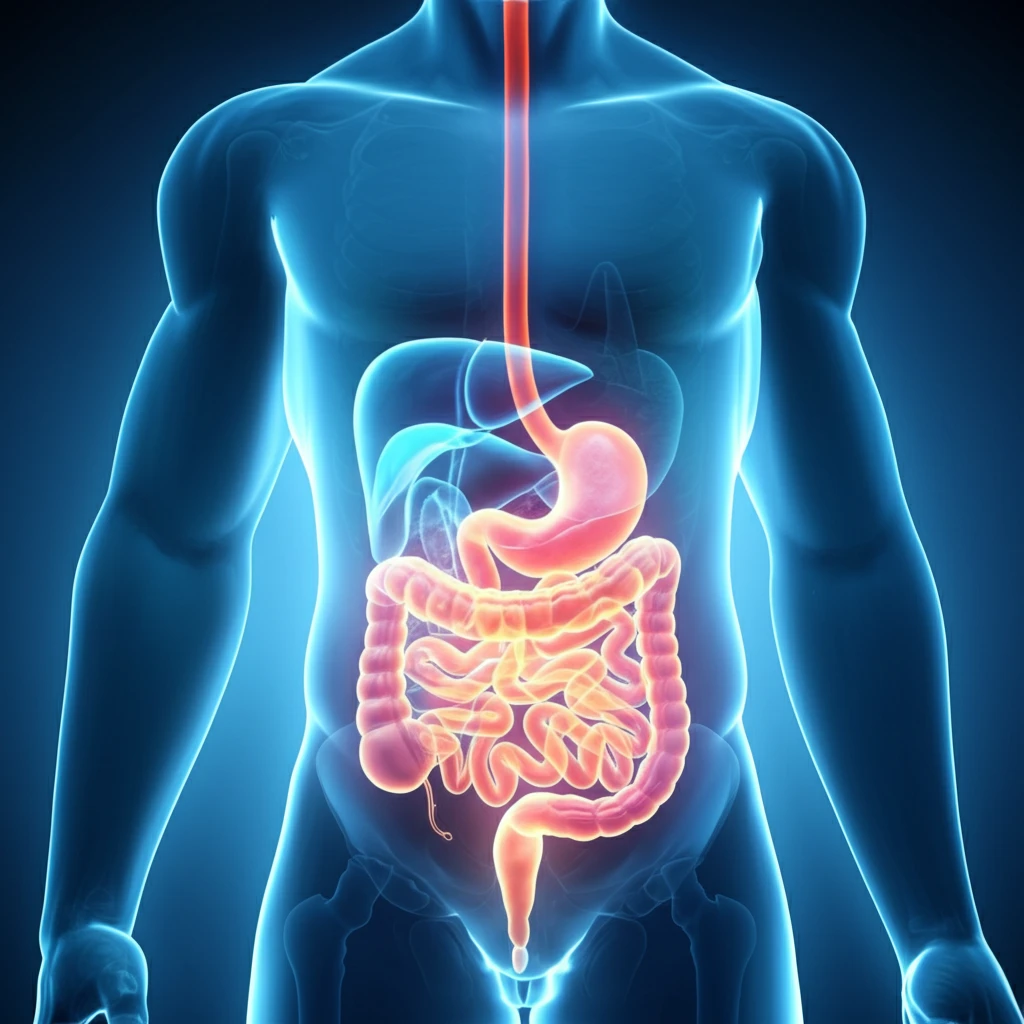
Understanding the contrast between healthy digestion and constipation is key to identifying when gut function has gone awry. When the digestive process operates normally, waste moves through the colon at an appropriate pace, allowing for proper water absorption and regular elimination. In constipation, this process slows, leading to harder stools and infrequent bowel movements. Recognizing this distinction helps individuals and practitioners determine the appropriate intervention, whether dietary, lifestyle, or pharmacological.
Take Control of Your Digestive Health Today
Don't let constipation control your life. By understanding the underlying causes and exploring available treatment options, you can take proactive steps to restore your digestive health and improve your overall well-being. From simple lifestyle adjustments to advanced medical therapies, there's a solution that can help you achieve regular bowel movements and a happier, healthier gut.
Bringing It All Together
Constipation is a multifaceted condition influenced by diet, hydration, activity levels, gut microbiome health, and in some cases underlying medical treatments. The evidence across clinical research, pharmacological developments, and practical home remedies points toward a layered approach: start with foundational lifestyle changes, consider probiotics and targeted foods, and consult healthcare providers when symptoms persist. No single solution works for everyone, and the most effective strategies typically combine multiple interventions tailored to individual needs.
Natural Relief Keeps Evolving
Interest in natural constipation relief continues to grow, with ongoing exploration of remedies that support digestive health without heavy pharmaceutical reliance. Approaches such as abdominal massage techniques and targeted dietary adjustments are gaining attention as accessible, low-risk options. As research into gut health expands, the integration of natural methods with conventional medicine is likely to offer more personalized and effective pathways to relief.
Traditional Medicine's Role
Ayurvedic medicine has long addressed constipation, acidity, and gas through herbal formulations featuring ingredients like Triphala and Ajwain. These traditional approaches emphasize supporting the body's natural digestive processes rather than simply masking symptoms. The inclusion of dietary tips alongside herbal remedies reflects a holistic philosophy that considers gut health as interconnected with overall well-being. Such systems offer a complementary perspective to modern Western treatment paradigms.
Movement as Medicine
Physical activity, including walking and running, is recognized as an effective natural method for stimulating the digestive system and relieving constipation. Exercise helps promote peristalsis, the wave-like muscle contractions that move waste through the colon. For many people, incorporating regular movement into their daily routine is one of the simplest and most accessible ways to support gut health. The real-world impact is clear: staying active can meaningfully reduce constipation symptoms without medication.