
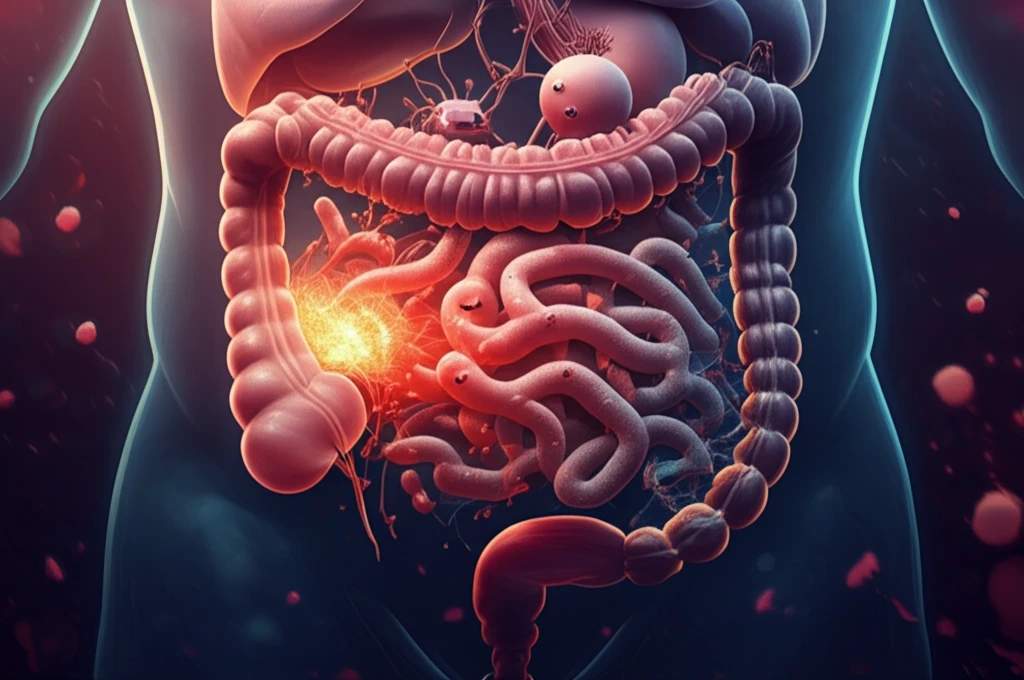
Gut Health Heroes: How These Probiotics Can Calm Your Colitis

"Discover the power of Lactobacillus plantarum MTCC 5690 and Lactobacillus fermentum MTCC 5689 in easing colitis symptoms and promoting gut health."
In recent years, probiotics have surged in popularity as a natural approach to enhance gut health. Among the vast array of probiotic options, lactobacilli strains stand out due to their extensive history of safe consumption and potential health benefits. While generally regarded as safe, concerns have arisen regarding the potential for certain Lactobacillus strains to cause infections, particularly in individuals with compromised immune systems. This has led to rigorous screening processes for new strains to ensure their safety and efficacy, especially in vulnerable populations.
Colitis, a chronic inflammatory condition affecting the colon, poses a significant challenge for many. Characterized by inflammation, ulceration, and discomfort, colitis can severely impact an individual's quality of life. As such, researchers are constantly exploring novel strategies to manage colitis symptoms and promote gut healing. Probiotics, with their ability to modulate the gut microbiota and reduce inflammation, have emerged as a promising avenue for colitis management.
This article explores the potential of two specific Lactobacillus strains, Lactobacillus plantarum MTCC 5690 and Lactobacillus fermentum MTCC 5689, in alleviating colitis symptoms and promoting gut health. Drawing upon a recent study published in Probiotics and Antimicrobial Proteins, we delve into the findings of a colitis mouse model, shedding light on the safety and efficacy of these probiotic strains in managing inflammatory conditions.
A Booming Global Market
The global probiotics market was valued at approximately USD 62.4 billion in 2022 and is projected to reach USD 131 billion by 2032, growing at a compound annual growth rate of 7.9%. Consumer interest spans multiple use cases, from immune support and gut comfort to infant colic relief. This rapid expansion reflects a broader consumer shift toward healthy lifestyles and lifetime self-care.
The One-Size-Fits-All Problem
Standard over-the-counter probiotics operate on a one-size-fits-all model that fails to account for bio-individuality. Industry labeling relies on colony-forming units (CFUs) as the standard method for counting live bacteria cells, and proper identification by both genus and species names is considered essential. However, personalized approaches that go beyond generic formulas are emerging as a fundamentally different paradigm for achieving optimal gut health results.
From Bulgarian Yoghurt to Modern Science
The word probiotic originates from the Latin meaning for life, with additional links to the Greek word bios meaning lively or fit for life. The first discovered probiotic was a strain of bacillus in Bulgarian yoghurt called Lactobacillus bulgaricus, identified in 1905 by Bulgarian physician and microbiologist Stamen Grigorov. Probiotics are in fact about as old as civilization itself, with fermented foods serving as early dietary sources long before the science behind them was understood.
Unlocking the Potential: Lactobacillus Strains in Colitis Management
The study, conducted by Pradhan et al. (2019), investigated the impact of Lactobacillus plantarum MTCC 5690 and Lactobacillus fermentum MTCC 5689 on dextran sodium sulfate (DSS)-induced colitis in mice. DSS is a chemical compound commonly used to induce colitis-like symptoms in animal models, mimicking the inflammation and gut barrier dysfunction observed in human colitis.
- Colon and cecum length: These measurements provide insights into the overall health and integrity of the colon.
- Blood biochemistry and hematology: These tests assess various blood parameters to detect any signs of inflammation or adverse effects.
- Intestinal permeability: This measures the ability of substances to pass through the intestinal lining, indicating gut barrier function.
- Myeloperoxidase (MPO) activity: MPO is an enzyme released by immune cells during inflammation, serving as a marker of inflammatory activity.
A Widening Therapeutic Horizon
Current probiotic research spans an increasingly wide range of conditions, including brain health, metabolic health, body composition, infection, cognition, and blood pressure. According to the FAO/WHO adopted definition, probiotics are live microorganisms which when administered in adequate amounts confer a health benefit on the host. Researchers continue to examine which specific bacterial species may provide benefits and what mechanisms underlie those effects.
Why Probiotics Often Fall Short
The difference between success and failure with probiotics often comes down to cautions and criticisms that are underappreciated by consumers. Most of the available research on specific strains, such as L. paracasei, remains limited to gut health, with few placebo-controlled, double-blinded clinical studies available for other applications. In critical care settings, the role of probiotics remains contested, with experts debating whether their use represents established fact or ongoing fad.
Not All Probiotic Products Are Equal
Probiotic formula alternatives vary considerably in their formulations, ratings, cost, and potential side effects, as documented by clinical comparison databases. Research evaluating probiotics for specific conditions such as glycemic control in type 2 diabetes reveals meaningful differences between intervention and comparison groups across trial characteristics. Consumers navigating the market must weigh product-specific factors including strain composition and delivery method rather than treating all probiotics as interchangeable.
Embracing the Future: Probiotics as a Promising Colitis Solution
In conclusion, the study by Pradhan et al. (2019) highlights the potential of Lactobacillus plantarum MTCC 5690 and Lactobacillus fermentum MTCC 5689 as safe and effective biotherapeutics for alleviating inflammatory conditions, such as colitis. These probiotic strains demonstrated the ability to improve gut health, reduce inflammation, and restore gut barrier function in a colitis mouse model. While further research is needed to validate these findings in human clinical trials, the results offer hope for individuals seeking natural and effective strategies to manage colitis symptoms and improve their overall well-being. As the understanding of the gut microbiota and its role in health and disease continues to evolve, probiotics like Lactobacillus plantarum MTCC 5690 and Lactobacillus fermentum MTCC 5689 may play an increasingly important role in promoting gut health and preventing inflammatory conditions.
Experts Urge Caution and Specificity
Experts define probiotics as live microorganisms that confer health benefits when present in adequate amounts, but much of the current research is still focused on determining which bacterial species may actually be beneficial. A systematic review published in Expert Opinion on Drug Safety found that the main observed adverse effects of probiotics included sepsis, fungemia, and gastrointestinal ischemia. These findings underscore that while probiotics hold promise, they are not risk-free and require careful, evidence-based selection.
Next-Generation Probiotics on the Horizon
Researchers are exploring next-generation probiotics beyond traditional Lactobacillus and Bifidobacterium strains, including fibre-degrading gut anaerobes such as Faecalibacterium, Roseburia, Eubacterium, and Ruminococcus that serve as important butyrate producers. The probiotics market is forecast to rise from USD 117.7 billion in 2025 to over USD 343.6 billion by 2033, with sustainability considerations increasingly influencing sourcing and fermentation practices. Enhanced characterization of biological responses to probiotics in clinical trials is expected to drive future therapeutic development.
Beyond the Bottle: Systemic Barriers to Gut Health
Processed foods have a detrimental impact on gut health and inflammation that probiotics alone cannot fully counteract. Restoring the intestinal barrier through probiotics and feeding beneficial bacteria with soluble fiber can help lower systemic inflammation at its source. Industry analysts note that probiotic benefits extend far beyond digestive health and immunity, with untapped opportunities driving a movement toward personalized solutions that address individual microbiome needs.
Do Probiotics Really Work for Real People?
The evidence for broad probiotic benefits remains surprisingly thin in some areas. One study of 34 healthy volunteers found only a single statistically significant change with no indication of clinical benefit, leading one infectious disease expert to describe a probiotic as still just a drop in a bucket. Meanwhile, emerging research on the gut-brain axis suggests that specific psychobiotic strains may influence mood, stress, and anxiety, offering a more targeted path toward real-world mental health benefits.