
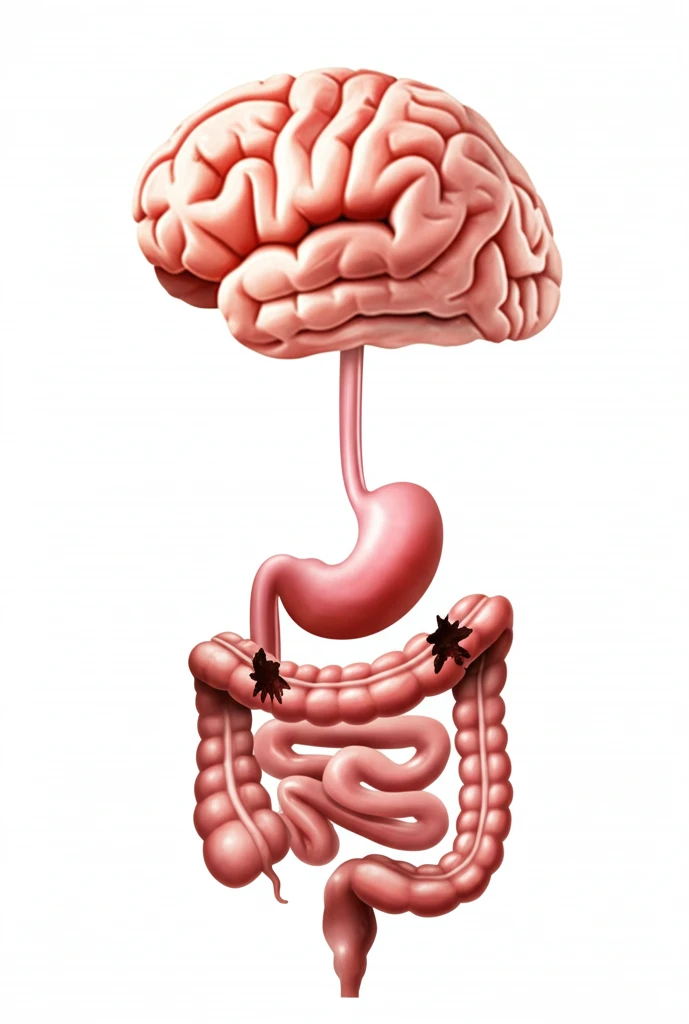
Gut Feelings: How Stroke Affects Digestion and What You Can Do

"Understanding gastrointestinal dysfunction after a stroke is crucial for recovery. Learn practical tips and insights to manage digestive issues and improve your quality of life."
Recovering from a stroke involves more than just regaining movement and speech. Many stroke survivors face unexpected challenges with their digestive systems. These issues, known as gastrointestinal (GI) dysfunction, can range from mild discomfort to severe complications, significantly impacting overall recovery and quality of life. But what’s the connection, and what can you do about it?
The gut-brain connection plays a vital role in this phenomenon. A stroke can disrupt the delicate balance of the nervous system, affecting how your digestive system functions. This can lead to a variety of problems, including difficulty swallowing, constipation, nausea, and even feeding intolerance. Understanding these challenges is the first step toward managing them effectively.
This article explores the link between stroke and gastrointestinal dysfunction, offering practical insights and actionable strategies to help you regain control of your digestive health. We'll delve into the common problems stroke survivors face, explain the underlying mechanisms, and provide tips for managing symptoms and improving your overall well-being. Whether you're a stroke survivor, a caregiver, or simply interested in learning more, this guide provides valuable information to support your journey to recovery.
Stroke's Reach and the Gut-Brain Link
A stroke happens when blood flow and oxygen to the brain is blocked, which occurs when a blood vessel is blocked by a blood clot or breaks. Because the gut is literally wired to sense and feel, damage to the brain from a stroke can influence how digestion functions.
Prevention and the Accepted Response to Stroke
Taking preventative measures and being proactive about your health is described as one of the best ways to stay healthy and prevent stroke and other diseases. When stroke symptoms are identified, the accepted response is to get to the emergency room as soon as possible.
Foundations of the Gut-Brain Relationship
The familiar expression of having a "gut feeling" reflects long-standing awareness of the brain-gut connection. Presentations and research on this relationship have explored how the gut is wired to sense and feel, along with the impact of nutrient absorption on neurological function.
The Gut-Brain Connection: Unpacking Gastrointestinal Dysfunction After Stroke
Gastrointestinal dysfunction after a stroke isn't just a coincidence; it's a direct consequence of how the stroke impacts the nervous system. The brain and the gut communicate constantly through a complex network of nerves and hormones, often referred to as the gut-brain axis. When a stroke disrupts this communication, it can throw the digestive system into disarray.
- Delayed Gastric Emptying: Food sits in the stomach longer, causing bloating and discomfort.
- Reduced Intestinal Motility: Slower movement of food through the intestines can lead to constipation.
- Increased Risk of Aspiration: Difficulty swallowing (dysphagia) can cause food or liquids to enter the lungs, leading to pneumonia.
- Impaired Nutrient Absorption: The body's ability to absorb essential nutrients from food is compromised.
New Research on the Gut-Brain Axis
Recent science and research continues to explore the complex gut-brain relationship, including topics such as the impact of nutrient absorption on neurological health. Research also shows that gastrointestinal dysfunction is a common complication in certain conditions, and studies have examined approaches like acupuncture to enhance gastrointestinal motility.
Myths Versus Facts in Stroke Care
Health education increasingly focuses on separating stroke myths from facts, because misunderstandings can delay care. Fact-based messaging stresses that when stroke symptoms are identified, getting to the emergency room as soon as possible is essential.
Comparing Brain and Gut Interactions
When we experience stress, our bodies switch into a different physiological state, and experts explain how that stress directly affects digestion. Meanwhile, how long food stays in the system and how quickly different foods are broken down varies depending on a range of factors.
Taking Control of Your Digestive Health
Living with gastrointestinal dysfunction after a stroke can be challenging, but it's important to remember that you're not alone, and there are strategies you can implement to improve your digestive health. By understanding the connection between stroke and gut function, working closely with your healthcare team, and making informed lifestyle choices, you can regain control of your digestive system and enhance your overall well-being on your journey to recovery.
Bringing the Science Together
Health and wellness resources tie stroke prevention to general proactive habits, including learning to spot the signs of a stroke using the FAST approach. The common thread is that protecting the brain supports overall health, including digestive well-being.
Emerging Directions in Digestive Care
Future work is likely to continue integrating gut-brain research into wellness programs and recovery guidance. Understanding how long food takes to digest and how stress alters digestion may help shape more personalized approaches to care.
Stress and Lifestyle as Systemic Challenges
Stress and the modern lifestyle are identified as central challenges to healthy digestion, since stress switches the body into a different state that affects the gut. Proactive, preventative measures remain emphasized as one of the best ways to stay healthy and avoid stroke and other diseases.
What It Means for Everyday Life
People often describe a "gut feeling," an everyday reminder that the brain and gut are closely connected. Practical guidance for gastrointestinal wellness includes simple measures such as keeping warm, since cold can stimulate the gastrointestinal tract and contribute to dysfunction.