
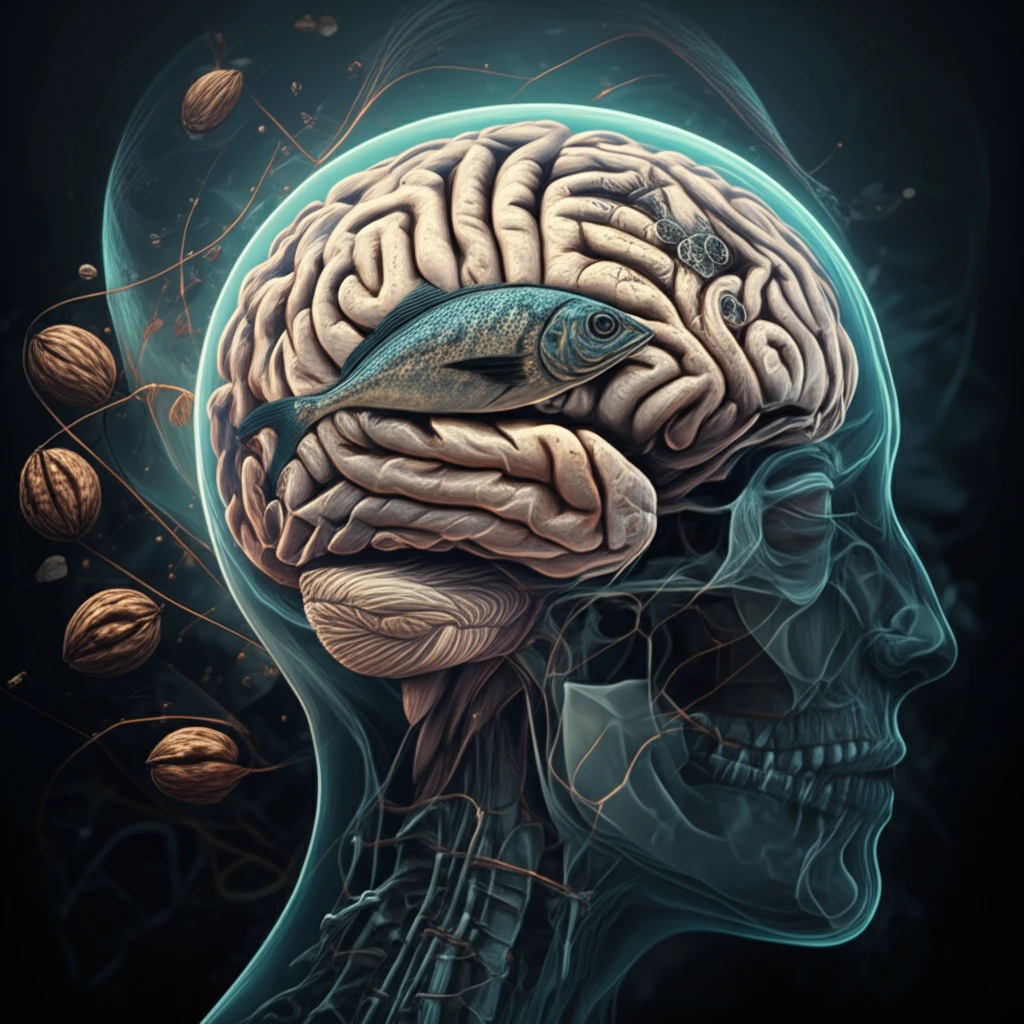
Epilepsy Breakthrough: Can Natural Compounds Enhance Traditional Treatments?

"Exploring the potential of combining antiepileptic drugs (AEDs) with safe, natural anticonvulsants for improved epilepsy management and reduced side effects."
Epilepsy, a prevalent neurological disorder, affects millions worldwide. While significant strides have been made in treatment through third-generation antiepileptic drugs (AEDs), a considerable portion of patients, ranging from 20% to 30%, experience resistance or adverse side effects, creating a persistent need for innovative therapeutic strategies.
One promising avenue of exploration lies in combination therapy, which leverages the synergistic potential of multiple anticonvulsant agents. This approach aims to maximize therapeutic benefits while minimizing adverse effects, potentially through the inclusion of newer anticonvulsant agents that introduce novel mechanisms of synergism.
The appeal of combination therapy extends beyond mere symptom management; it also offers the possibility of reducing the dosages of conventional AEDs, thus mitigating their associated toxicities. This is particularly relevant as researchers investigate natural anticonvulsant agents, such as omega-3 polyunsaturated fatty acids (n-3 PUFAs), known for their safety and potential to complement traditional treatments.
The Scope of Epilepsy Worldwide
Epilepsy is a common neurological disorder requiring ongoing medical support from GPs and specialist teams. The primary treatment remains anti-epileptic or anti-seizure medicine designed to prevent seizures. Statistics show epilepsy is slightly more common in males than females, partly due to higher exposure to risk factors associated with lesional epilepsy. The global market for epilepsy treatments and monitoring devices continues to expand as epidemiological data drives awareness.
Navigating Treatment: The Chess Game of Seizure Control
Epilepsy treatment has often been compared to a chess game, involving the careful selection, adjustment, and addition of antiseizure medications over time. While traditional treatment focuses on controlling seizures, integrative and functional approaches investigate other factors contributing to brain vulnerability, serving as complements rather than substitutes for standard care. Clinical trials have demonstrated that adding cannabidiol (CBD) to standard epilepsy treatment significantly improves seizure control. However, studies on epilepsy treatment responses are often limited by small sample sizes, hindering broader conclusions.
From Genes to Diet: Foundational Insights in Epilepsy
Medications like gabapentin have long been established as treatments for epilepsy and associated nerve pain. Research has revealed that epilepsy can arise from the interaction of two defective genes simultaneously, with studies in fruit flies confirming that specific gene combinations increase seizure susceptibility. Epilepsy affects an estimated 10.5 million children worldwide, though research remains scarce in regions like Ethiopia. For the roughly one-third of patients with drug-resistant epilepsy, ketogenic diet therapy has emerged as an important option, particularly in resource-limited settings where other treatments are inaccessible.
The Promise of Natural Anticonvulsants
Omega-3 polyunsaturated fatty acids (n-3 PUFAs), integral components of brain lipids, have garnered attention as potential anticonvulsant agents. Among these, docosahexaenoic acid (DHA) stands out as the most abundant and bioactive fatty acid in the brain. While studies have explored DHA's anticonvulsant activity with varying results, the existing data suggest that its potency is significantly lower than that of current standard AEDs.
- Synergistic Action: Combination therapies can leverage synergistic anticonvulsant actions, leading to more effective seizure control.
- Reduced Side Effects: By combining conventional AEDs with natural agents, dosages of the former can be lowered, potentially minimizing side effects.
- Novel Mechanisms: Newer anticonvulsant agents can introduce new mechanisms of synergism, enhancing treatment outcomes.
- Natural Options: Safe and inexpensive natural anticonvulsants like omega-3 PUFAs can complement traditional AEDs, offering new therapeutic avenues.
Closing the Treatment Gap: Ongoing Research Frontiers
A systematic review by the ILAE Epidemiology Commission has highlighted the worldwide epilepsy treatment gap, recommending revised definitions to better address unmet needs. Research continues to explore the cognitive effects of antiepileptic treatments, as medications can impact brain function beyond seizure suppression. Updates on cannabis-derived treatments, particularly cannabidiol (CBD), remain a focal point in epilepsy research as a non-psychoactive therapeutic option. Expert panels and webinars from organizations like the American Epilepsy Society regularly convene to discuss the latest treatment options and answer audience questions.
When Standard Treatments Fall Short
Treatment-resistant epilepsy is typically diagnosed after a patient has failed to respond to two antiepileptic drugs, a threshold that underscores the challenges of managing the condition. Of children diagnosed with treatment-resistant epilepsy, up to 33% may be eligible for surgical intervention as an alternative pathway. Barriers to accessing anti-epileptic treatment persist in rural and low-resource regions, with studies in Tanzania identifying risk factors for the epilepsy treatment gap including failure to access or default from medical care. Despite these challenges, most seizure cases can be managed conservatively with medication and supportive treatments.
Beyond Anti-Epileptic Drugs: Exploring Adjunct Therapies
Having an individual seizure does not necessarily mean a person has epilepsy, distinguishing between isolated events and the chronic disorder is critical for appropriate treatment. Anti-epileptic drugs (AEDs) remain the standard for controlling seizures, though convulsive status epilepticus occurs when seizures persist despite anticonvulsant administration. Catamenial seizures, which intensify during specific menstrual cycle phases, require tailored treatment plans that balance seizure reduction with overall health and safety. Emerging research has explored ivermectin as an adjuvant to anti-epileptic treatment in persons with onchocerciasis-associated epilepsy, suggesting potential beneficial effects warranting further investigation.
The Future of Epilepsy Treatment
The integration of safe, natural anticonvulsant compounds with traditional AEDs holds immense promise for advancing epilepsy treatment. As research continues to uncover the synergistic potential of these combinations, a systematic, evidence-based approach is essential to optimizing clinical outcomes and improving the lives of individuals affected by epilepsy. By embracing innovation and adhering to rigorous scientific principles, we can pave the way for more effective, well-tolerated, and personalized epilepsy therapies.
Integrating Drug and Non-Drug Approaches
Non-drug treatments play a key role in managing epilepsy, particularly for patients with epileptic encephalopathy, where they complement pharmacological interventions. Currently, seventeen drugs are approved for the treatment of focal seizures, with cenobamate representing the most recent addition to the arsenal. Ten of these drugs are also licensed for monotherapy, offering flexibility in treatment planning. Expert commentary from leading neurology professionals emphasizes the importance of staying informed about evolving treatment options and research developments in the field.
Pursuing Curative Therapies for Epilepsy
The primary goal of future epilepsy treatment is causal or curative therapy that corrects the underlying causes of the syndrome, though current options for achieving this remain limited. An estimated 30% of patients with epilepsy still do not respond to available anti-seizure drugs, significantly impacting their quality of life and driving demand for novel approaches. The epilepsy treatment device market is projected to grow substantially by 2030, reflecting increased investment in technological solutions. Research into idiopathic epilepsy in both human and veterinary medicine continues to uncover new treatment avenues, expanding the toolkit available to clinicians.
Treating Epilepsy Across the Lifespan
Treating epilepsy in the aging brain presents unique challenges that differ from managing the condition in younger patients, requiring tailored clinical approaches. Gamma Knife treatment for seizures remains experimental, with the number of treated patients still relatively small, limiting definitive conclusions. Complementary therapies such as acupuncture are being explored to calm the nervous system, support brain function, and reduce seizure triggers alongside conventional treatments. These diverse approaches highlight the need for individualized care plans that consider the patient's age, overall health, and specific seizure characteristics.
Early Intervention and Pediatric Epilepsy
Early diagnosis and timely antiepileptic therapies have demonstrated benefits for children with Dravet syndrome and co-occurring autism spectrum disorder, as documented in case studies of pediatric patients. Children in these cases often experience their first seizures before one year of age and may fail to respond to first-line anti-epileptic treatments, necessitating alternative interventions. Non-invasive brain stimulation techniques such as high-definition transcranial direct current stimulation (HD-tDCS) are being investigated for seizure control in pediatric epilepsy, including severe syndromes displaying hypsarrhythmia and intractable seizures. These real-world cases underscore the profound impact that early, aggressive intervention can have on developmental outcomes for children with complex epilepsy.