
Drug Metabolism's Next Wave: Emerging Models Transforming Toxicity Testing

"Discover how innovative lab models are revolutionizing drug development, offering more accurate predictions of drug safety and effectiveness."
For decades, drug development has relied on traditional methods like liver microsomes and animal models to understand how our bodies process medications. These tools help scientists predict drug metabolism, transportation, and potential toxicity. However, these traditional methods have limitations. Animal models don't always perfectly mimic human responses, and simpler lab tests can't capture the complexity of the whole body.
But now, we're on the cusp of a revolution in drug development. New technologies are emerging that offer more realistic and integrated ways to study how drugs behave in the human body. This article delves into these exciting models, offering a glimpse into the future of safer, more effective medications. We will explore a special collection of expert insights and research focused on these cutting-edge approaches to drug metabolism and disposition.
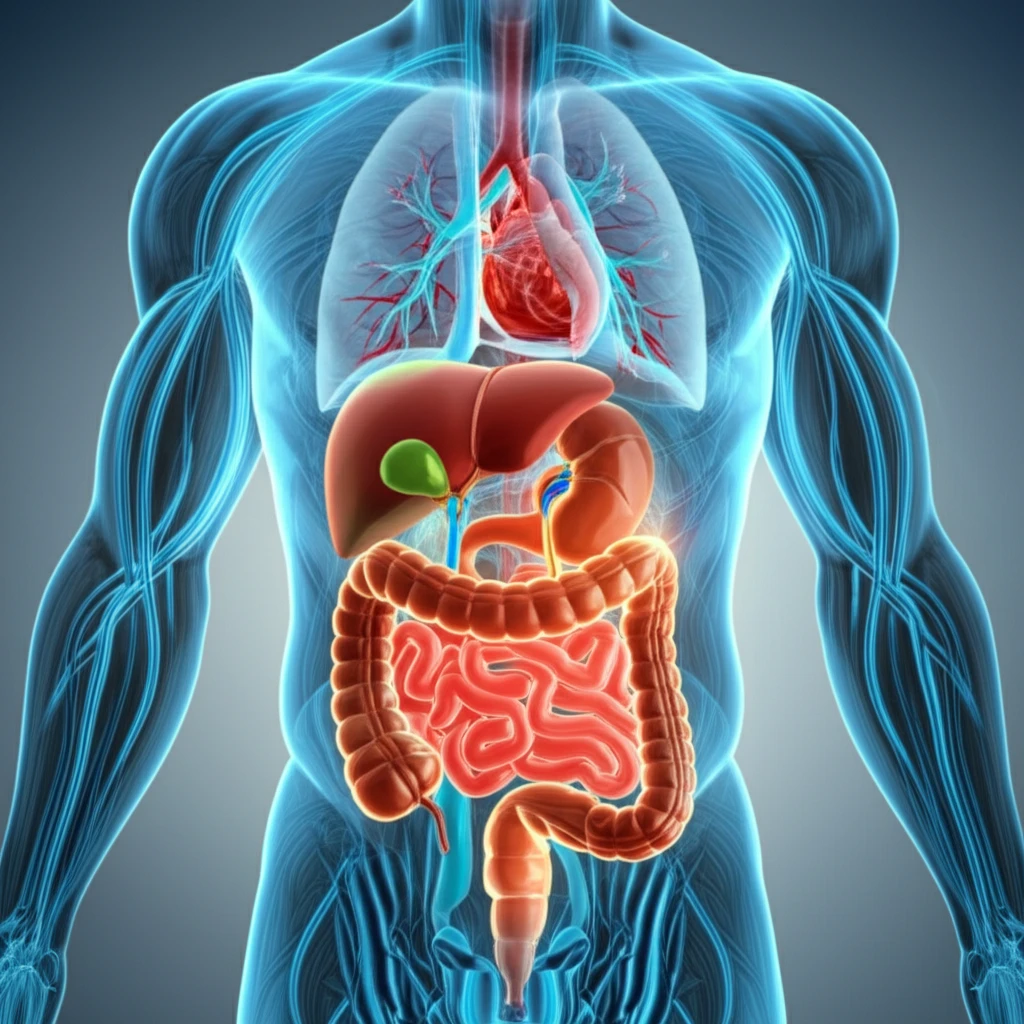
This article highlights the advancements in creating complex systems that better represent how drugs interact within the human body. From sophisticated models of the gut and liver to 'humanized' animal models, we will explore how these innovations aim to bridge the gap between the lab and the patient, ultimately leading to better drug development outcomes.
Metabolomics and Toxicology Data
Metabolomics provides a direct snapshot of biochemical activity and cellular responses, helping researchers investigate toxicity mechanisms and strengthen preclinical drug safety assessment. Its applications range from biomarker development and early toxicity tests to preclinical drug development and regulatory toxicology. The US EPA’s Toxicity Forecaster (ToxCast) provides accessible bioactivity data for toxicology, with assays sourced from external contracts, cooperative agreements, and internal research laboratories. TOXRIC integrates data from specialized toxicology databases, including DILIrank, which focuses on drug-induced liver toxicity.
Limits of Established Testing
Acute toxicity testing includes a range of methods whose merits and demerits have been reviewed, alongside approaches that have not yet received regulatory approval. The FDA guidance notes that limited understanding of metabolites’ roles in drug toxicity may partly reflect inadequate sensitivity in the analytical methods used to detect and characterize them. A review of metabolic toxicity screening describes the need to combine high-throughput bioassays with modern toxicity tests, genotoxicity assessment, metabolite-related toxicity evaluation, and computational approaches to establish pathways for toxic reactions.
From Early Toxicology to Alternatives
A historical account describes toxicology’s foundations as shaped by significant milestones, serendipity, and crude experimentation. Over time, toxicological science has provided information that has helped shape and guide society. Modern toxicology has also sought to move away from traditional animal testing toward harm-free experimentation, with researchers pursuing alternatives intended to be at least as reliable for determining toxicity.
The Next-Gen Models: A Closer Look
Let's explore some of the key advancements in modeling specific organs and systems:
- Mucosal Epithelium & Cryopreserved Enterocytes: Optimizing these allows for studying intestinal metabolism and toxicity.
- iPSC-Derived Enterocytes: Turning induced pluripotent stem cells into functional gut cells.
- Intestinal Organoids: Bioengineered from intestinal crypts, mucosal extracts, or iPSCs.
3D Models for Drug Research
The HCS-3DX system is described as a next-generation AI-driven automated 3D-oid high-content screening system. Its source notes that 3D-oids can maintain tissue structure, supporting their relevance to areas including drug discovery, regenerative medicine, tumour biology, and immunotherapy. Separately, a review of 3D bioprinting in toxicological research describes the liver as a multicellular structure that includes hepatocytes, connective-tissue stroma, sinusoidal endothelial cells, Kupffer cells, and stellate cells. These sources highlight tissue organization as a consideration in developing 3D models for biological research.
Complementary Alternatives to Animal Testing
Alternatives to animal testing include in vitro and in chemico systems, in silico and computational models, quantitative structure–activity relationship models, high-throughput screens, organ-on-chip models, and genomics or bioinformatics approaches. The National Institute of Environmental Health Sciences notes that such alternatives can support toxicological research, including chemical safety and drug-effectiveness testing, as well as research into biological mechanisms of disease. One example in drug metabolism and toxicity screening used a skin biopsy as an alternative absorption route and to analyze toxicity from a drug and its metabolites; glucose and lactate concentrations in media supernatants were used to quantify tissue metabolic activity.
The Future is Now: Better Predictions, Safer Drugs
These new models hold immense promise for improving how we predict drug behavior in humans. By creating systems that better mimic the complexity of the human body, scientists can gain valuable insights into drug metabolism, potential drug-drug interactions, and toxicity risks.
Drug Metabolism and Safety Challenges
Drug metabolism and toxicity are important to the safety and efficacy of pharmaceutical compounds. The supplied overview describes metabolism, primarily in the liver, as involving processes such as oxidation, reduction, and conjugation that transform drugs into active or inactive metabolites. While metabolism can aid drug clearance, it can also produce toxic byproducts. A 2025 special issue on drug metabolism and toxicological mechanisms presents new insights and tools aimed at longstanding challenges in the field.
Nonclinical Challenges in Drug Development
A continuing-education collection of six regulatory toxicology case studies spans small molecules, biologics, and gene therapy. The cases illustrate nonclinical challenges across drug development, including formulation changes, impurities and degradants, route-specific toxicology, and local tissue risk. Another source describes toxicity as a major cause of drug attrition and says that understanding whether metabolism contributes to a toxicity finding can be critical to successful drug development. A minireview also uses three case studies to illustrate fundamental principles of physiologically based pharmacokinetic application during drug discovery.
The ultimate goal is to reduce uncertainty in drug development and create safer, more effective treatments. As these technologies become more refined and validated, they have the potential to transform drug development, leading to better outcomes for patients.
The tools and technologies that were once cutting-edge are now routine. The innovative approaches discussed in this special issue pave the way for the future of drug disposition research.