
Decoding PI3K Inhibitors: A Patient's Guide to Targeted Cancer Therapies

"Understand how PI3K inhibitors work, their potential benefits, and what this correction in research means for your treatment journey."
In the evolving landscape of cancer treatment, targeted therapies like PI3K inhibitors offer hope by attacking cancer cells with precision. These drugs aim to disrupt specific pathways that fuel cancer growth, minimizing harm to healthy cells. Understanding these treatments is crucial for patients and their families navigating complex medical decisions.
PI3K inhibitors target the PI3K pathway, which plays a critical role in cell growth, proliferation, and survival. Cancer cells often hijack this pathway, leading to uncontrolled growth. By blocking PI3K, these inhibitors aim to halt cancer's progress. However, the effectiveness and safety of these drugs depend on accurate and up-to-date information.
Recently, a correction was issued regarding the disclosure of a researcher in a pivotal study on PI3K inhibitors. While this may seem like a minor detail, it underscores the importance of transparency and accuracy in scientific research. This article will delve into what PI3K inhibitors are, how they work, and the significance of this correction for patients and the future of cancer treatment.
Available Ornament Listings
The supplied sources concern Christmas ornaments rather than PI3K inhibitors or cancer outcomes. Amazon describes Christmas ornaments as part of its Seasonal Décor category and highlights Prime-eligible free shipping. Etsy emphasizes handmade, vintage, and personalized ornaments, while Hallmark highlights character, Keepsake, and personalized ornaments.
Microsoft Services
The supplied sources describe Microsoft products and account services, not accepted methods for using PI3K inhibitors. Microsoft identifies products including Microsoft 365, Copilot, Teams, Xbox, Windows, Azure, and Surface. Its account pages also provide access to online versions of Outlook, Word, Excel, and PowerPoint.
Unrelated Video Listing
The supplied source is a video listing whose title and summary do not address PI3K inhibitors, oncology, or historical scientific discoveries. Its text instead presents user-report categories such as labeling, video, sound, and subtitle problems. No supported historical milestone can therefore be established from this source.
What are PI3K Inhibitors and How Do They Fight Cancer?
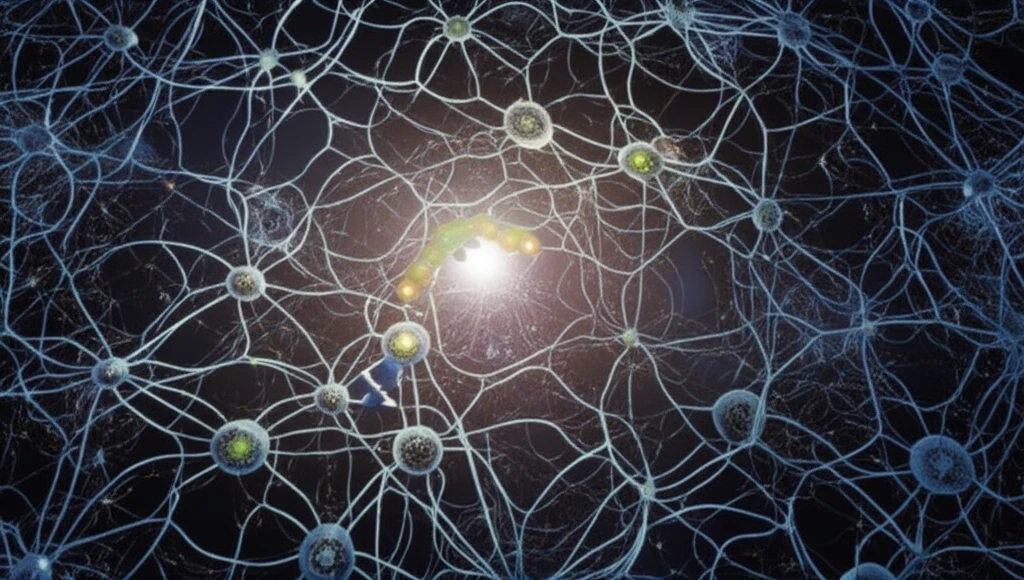
PI3K inhibitors are a class of drugs designed to target the phosphoinositide 3-kinase (PI3K) pathway. This pathway is a network of proteins inside our cells that controls vital functions, including cell growth, division, and survival. In many cancers, this pathway becomes overactive, causing cells to grow and spread uncontrollably. PI3K inhibitors work by blocking this overactive pathway, essentially putting the brakes on cancer cell growth.
- Targeted Approach: PI3K inhibitors are designed to target cancer cells specifically, minimizing damage to healthy cells.
- Pathway Blockage: They work by blocking the PI3K pathway, which is often overactive in cancer cells.
- Growth Control: By blocking the PI3K pathway, these inhibitors help to slow down or stop cancer cell growth.
Electronic Components
The supplied sources concern DigiKey and an AMS1117 voltage regulator rather than current PI3K-inhibitor research. DigiKey describes access to millions of electronic components, including in-stock quantities, shipping, and technical support. The AMS1117 document reports fixed and adjustable versions, output-tolerance specifications, thermal shutdown, and current limiting.
Account Access
The supplied source is an Outlook sign-in page and does not discuss PI3K inhibitors, treatment failures, adverse effects, or counterarguments. It states that users can securely sign in to access a Microsoft account and manage email, calendars, and other services. No oncology conclusion is supported by the source.
Evidence Limitation
No sources were supplied for this subsection. A responsible comparison of PI3K inhibitors with other cancer therapies would require evidence about mechanisms, indications, benefits, risks, and patient-specific considerations. Those details cannot be established from the available material.
Staying Informed and Empowered in Your Cancer Journey
Navigating cancer treatment requires staying informed and empowered. Understanding targeted therapies like PI3K inhibitors, and being aware of research updates, ensures you can actively participate in decisions about your care. Don't hesitate to ask your healthcare team questions, seek second opinions, and connect with support networks to navigate your journey with confidence.
Washington, DC Maps
The supplied sources describe maps and tourist attractions in Washington, DC, rather than PI3K inhibitors or expert oncology commentary. They mention downloadable, printable, or interactive maps covering attractions, museums, monuments, and historic buildings. The sources do not support a medical synthesis.
Hearing-Aid Choices
The supplied sources address hearing aids rather than future developments in PI3K-inhibitor therapy. Mayo Clinic explains that people choosing hearing aids may consider available types, appearance, and whether using a device may help. Consumer Reports describes an exclusive member survey, while Audiologists.org reports hands-on evaluation of more than 70 hearing aids for its 2026 recommendations.
Insufficient Source Material
No sources were supplied for this subsection. Broader systemic challenges in targeted cancer therapy would need evidence about access, affordability, diagnosis, monitoring, and health disparities. Those issues should not be presented as established findings without relevant sources.
Technical Support Experiences
The supplied sources concern Microsoft support and Windows troubleshooting rather than patients receiving PI3K inhibitors. Microsoft Support offers solutions to common problems or help from a support agent. A Microsoft Community discussion describes accessing the Windows Recovery Environment when a Windows 11 screen is black but the mouse cursor remains visible.