
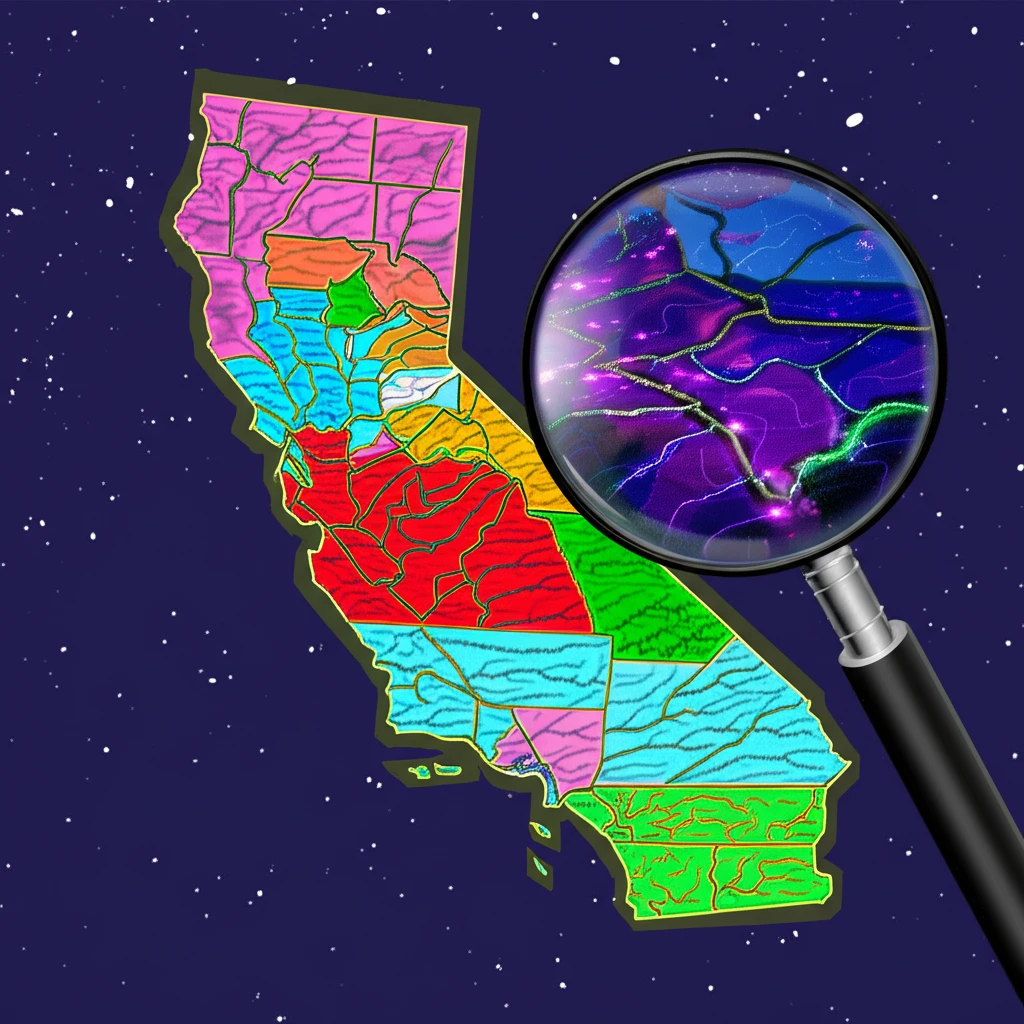
Decoding Pesticides: How to Protect Your Health and the Environment

"A Comprehensive Guide to Understanding Pesticide Use Reporting (PUR) Data and Its Impact on Your Community"
Have you ever wondered about the chemicals being used on the crops around you, or how they might affect your water supply? Pesticides play a significant role in modern agriculture, but their use raises important questions about environmental and human health. Understanding the details of pesticide application is crucial for making informed decisions and advocating for responsible practices.
California, a major agricultural hub, has implemented a comprehensive system for tracking pesticide use. The California Department of Pesticide Regulation (CDPR) collects detailed information on every pesticide application across the state. This data, known as Pesticide Use Reporting (PUR) data, offers a wealth of insights into the types, quantities, and locations of pesticides being used. However, accessing and interpreting this data can be challenging.
This guide will walk you through the complexities of PUR data, explain how to access it, and provide practical tips for understanding its implications. We'll explore how tools like PURwebGIS are making this information more accessible and empowering individuals and communities to take action.
Close to a Billion Pounds Each Year
Pesticide use in agriculture has declined only modestly, from about 948 million pounds in 2000 to roughly 877 million pounds in 2007—a drop of about 1% per year. Even with that decline, nearly a billion pounds of these chemicals are still intentionally introduced into the environment each year. The sheer scale underscores why pesticide-related health and environmental risks remain a pressing concern.
Labels and Safety Data as the Legal Backbone
Pesticide labels and Material Safety Data Sheets (MSDS) are the primary tools for communicating safety and usage instructions. These documents are not merely suggestions but legally enforceable directives designed to protect human health and the environment. In practice, however, their protective value depends on whether users actually read and follow them as required.
A Decade of Modest Decline
Historical application records show a gradual downward trend in pesticide use through the 2000s. Reporting systems such as California's Pesticide Use Reports, which collect information on all agricultural and certain non-agricultural pesticide use after applications occur, have documented this usage over time. Such records provide the historical baseline needed to evaluate whether reliance on these chemicals is genuinely shrinking.
Unlocking the Power of PUR Data
The CDPR's PUR database is a unique resource, providing details on pesticide applications down to the level of individual fields. Since 1990, California has maintained this detailed record, capturing information about what pesticides are used, where they are applied, and when. This level of detail is invaluable for researchers, policymakers, and concerned citizens alike.
- Chemicals used
- Crops treated
- Application method (aerial, ground, etc.)
- Location identifiers
Europe's Latest Evidence on Pesticide Impacts
A briefing by the European Environment Agency summarises the latest knowledge on how chemical pesticides impact human health and the environment. It also presents good practices to reduce their use and risk across Europe. The review reflects a growing body of evidence linking pesticide exposure to both human health harms and ecosystem degradation.
Not a Black-and-White Issue
Analysts caution that the pesticide debate is not a black-and-white issue. While use is down slightly year over year, the reduction is slow—roughly 1% annually—and total volume remains near a billion pounds. Critics argue this pace of change is far too slow relative to the scale of concern, while others point to the decline as evidence of at least some progress.
Tracking Systems at Different Scales
Pesticide use is monitored through different systems operating at different scales. California's Pesticide Use Reports capture data on all agricultural and certain non-agricultural applications after they occur, while initiatives such as the Pesticide Use Data System call for accurate and timely data on the frequency and intensity of applications at county, state, and national levels. Comparing these approaches highlights trade-offs between state-level reporting and the need for broader, standardized coverage.
Empowering Informed Action
Understanding pesticide use is a critical step towards protecting our health and the environment. By leveraging the power of PUR data and tools like PURwebGIS, we can gain valuable insights, advocate for responsible practices, and create healthier communities for ourselves and future generations. Explore the resources mentioned in this guide, and become an informed advocate for a more sustainable future.
Reducing Use and Risk Together
Across sources, a consistent message emerges: reducing pesticide use and its risks requires both better information and better practice. The European Environment Agency's briefing ties the latest evidence on health and ecosystem impacts to concrete good practices for lowering use and risk. Labels and safety data sheets provide the enforceable layer that connects regulation to everyday application.
AI, Lasers, and Smarter Pest Control
Emerging technologies point to a future where pests are managed with far less reliance on chemicals. Researchers have demonstrated methods to protect an area from cockroaches using artificial intelligence combined with lasers. Such targeted, precision approaches could complement or eventually replace broadcast pesticide applications in certain settings.
The Data Gap Hampers Systemic Reform
Scientists and regulatory agencies require accurate and timely data on the frequency and intensity of pesticide applications on major crops at county, state, and national levels. Gaps in this data complicate efforts to measure progress and target interventions. Without standardized, up-to-date tracking, systemic challenges such as diffuse contamination and cumulative exposure are difficult to address.
Legally Enforceable Protections on Every Label
The human stakes of pesticide use are reflected in the legal weight placed on product labels. Pesticide labels are critical tools for communicating safety and usage instructions to ensure the protection of human health and the environment, and they are legally enforceable directives rather than suggestions. For farmworkers, families, and communities, that enforcement can be the difference between safe handling and harmful exposure.