
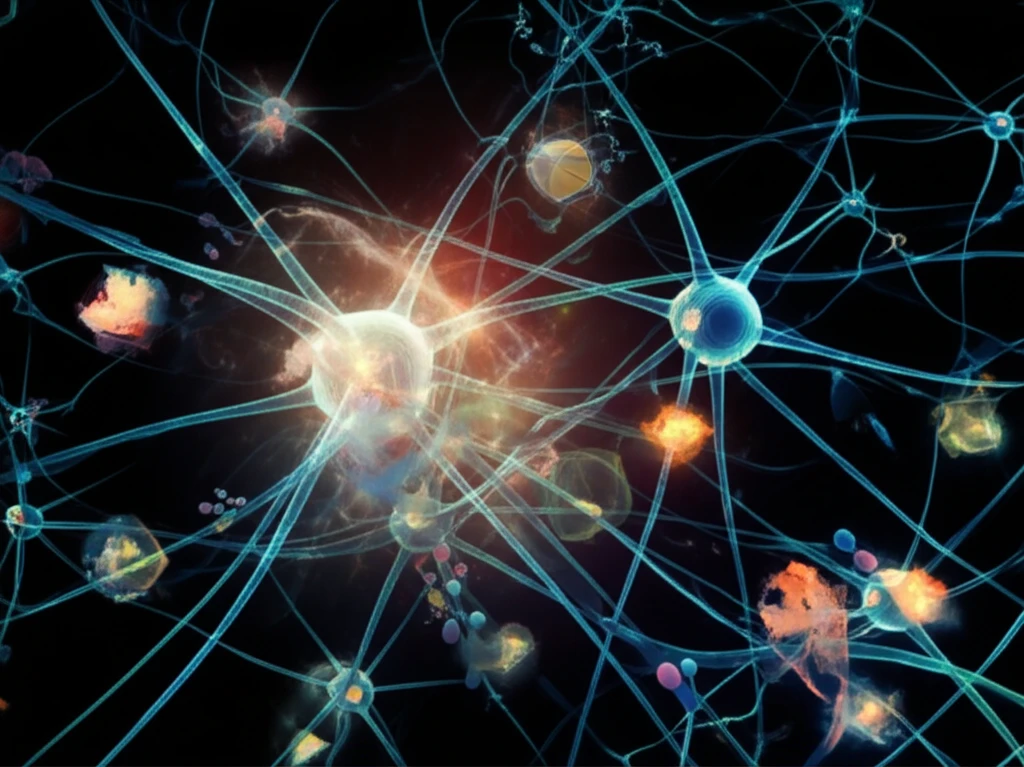
Decoding Pain: The Latest Breakthroughs in Pain Relief

"Explore how cutting-edge research is paving the way for innovative pharmacological targets to alleviate chronic pain and improve patient outcomes."
Chronic pain affects millions worldwide, significantly impacting quality of life and posing a major challenge for healthcare systems. Traditional pain management approaches often fall short, highlighting the urgent need for innovative therapies. Recent advances in neuropharmacology are shedding light on the complex mechanisms underlying pain, paving the way for more effective and targeted treatments.
This article delves into the exciting developments in pharmacological research focused on pain relief. Drawing from a comprehensive review of current neuropharmacology, we will explore how scientists are identifying novel therapeutic targets and developing innovative strategies to combat pain at its source. The intent is to provide a clear and accessible overview of these breakthroughs, offering hope for individuals seeking lasting relief from chronic pain.
We'll examine how researchers are unraveling the roles of various molecules and pathways involved in pain signaling, from the peripheral nervous system to the brain. By understanding these intricate processes, scientists are designing more precise and effective pain medications with fewer side effects. This exploration promises to empower readers with knowledge about the future of pain management and the potential for personalized treatments.
The Scope of Chronic Pain in America
Chronic pain affects approximately one in five U.S. adults, with prevalence estimates ranging from 20.4% to nearly 25% depending on the data source and methodology used. High-impact chronic pain—defined as pain that limits life or work activities most days or every day—affects roughly 7.4% of adults, representing about 36% of those with chronic pain. Despite its high prevalence, chronic pain is often undertreated, creating significant clinical and public health challenges. These figures underscore the substantial burden chronic pain places on individuals and healthcare systems alike.
Current Treatment Modalities and Their Shortcomings
Standard chronic pain treatment encompasses pharmacological, behavioral, and interventional approaches, with opioids historically playing a central role despite contributing to a concurrent opioid epidemic. While medications remain the most common treatment approach, non-pharmacological interventions are often relegated to last-resort status despite holding promise for offering relief. Evidence suggests that many chronic pain patients do not achieve adequate clinical improvement with current standard approaches alone. This treatment gap has driven researchers to advocate for multidisciplinary approaches that address the heterogeneity of treatment responses across patients.
How Pain Science Has Evolved
The understanding of chronic pain has evolved significantly over recent decades, transitioning from viewing it merely as a symptom to recognizing it as a complex condition with its own pathophysiological mechanisms. Early pain management relied heavily on pharmacological interventions, with limited understanding of the neurological and psychological dimensions of pain experience. The development of gate control theory and subsequent advances in neuroscience gradually shifted perspectives toward more integrated models. Today, chronic pain is increasingly understood as a disease in its own right, with treatment implications that extend beyond simple symptom suppression.
Unlocking the Molecular Mechanisms of Pain: Key Research Areas
Current research in pain pharmacology is focusing on several key areas, each offering unique opportunities for therapeutic intervention. These areas include:
- Pro-nociceptive Mediators: Investigating the molecules released under injury conditions that heighten pain sensitivity. Researchers are working to identify the specific mediators and their associated mechanisms to develop drugs that can block their actions and reduce hypersensitivity.
- Protease-Activated Receptors: Exploring the role of these receptors in visceral pain, particularly in the gut, pancreas, and bladder. By understanding how these receptors contribute to pain signaling in these organs, scientists aim to develop therapies for functional bowel disorders and other chronic visceral pain conditions.
- Voltage-Gated Calcium Channels: Examining the involvement of these channels in pain transmission and plasticity. Researchers are developing inhibitors that can modulate channel activity, potentially reducing pain signals and preventing the development of chronic pain.
- Potassium Channels: Recognizing the importance of potassium channels in controlling neuronal excitability and pain signaling. Scientists are validating potassium channels as therapeutic targets and developing drugs that can enhance their function to reduce pain.
- Calcium-Activated Anion Channels: Understanding the role of channels like Anoctamin 1 in thermal pain and inflammatory pain. Researchers are exploring how to modulate the activity of these channels to alleviate pain associated with inflammation and temperature changes.
- TRP Channels: Focusing on the sensory TRP channels, which are crucial in detecting a variety of pain-inducing stimuli. Scientists are developing synthetic ligands that can selectively target TRP channels to block pain signals.
- Resolvins and Omega-3 Fatty Acids: Harnessing the potential of these substances to promote pain resolution and reduce inflammation. Researchers are investigating how resolvins and omega-3 fatty acids can be used to develop new analgesic therapies with anti-inflammatory properties.
Contemporary Insights into Chronic Pain Mechanisms
Recent systematic reviews have synthesized knowledge predominantly from the last decade on molecular mechanisms, risk factors, diagnostic frameworks, and therapeutic modalities for chronic pain, organized by pathophysiological subtypes. Ongoing research is exploring neuromodulation and novel therapies that may unlock new treatment pathways. Studies in animal models have revealed widespread activation of synaptic and excitatory gene programs in spinal neurons and glia during pain states, which are suppressed by effective pain-relieving treatments. This expanding body of research is revealing the complexity of pain processing and identifying potential targets for intervention.
Systemic Barriers and Treatment Failures
Chronic pain exerts enormous personal and economic burden, affecting more than 30% of people worldwide according to some studies, yet a substantial proportion of adults encounter significant difficulties in receiving pain care and accessing pain medications. Nearly all chronic pain patients depend on prescription medicines for pain relief, yet barriers including lack of knowledge, negative attitudes among providers, inadequate assessment skills, and patient-related communication challenges create major obstacles. These access problems carry severe consequences, with research documenting associated suffering and adverse health outcomes including suicidal ideation. The gap between pain burden and treatment access represents one of the most critical failures in current pain management systems.
Evaluating Treatment Approaches
The landscape of chronic pain treatment encompasses a wide range of approaches, from pharmacological interventions to neuromodulation techniques and psychological therapies. Evidence increasingly supports the value of multidisciplinary approaches that combine multiple treatment modalities rather than relying on single interventions. However, the heterogeneity of chronic pain conditions and individual patient responses makes direct comparisons between treatment approaches challenging. This complexity suggests that personalized treatment selection, rather than one-size-fits-all protocols, may be necessary to optimize outcomes for different patient populations.
The Future of Pain Relief: A Collaborative Approach
The advancements discussed in this article represent a significant step forward in our understanding and treatment of pain. As research continues to unravel the complexities of pain mechanisms, the potential for developing more effective and targeted therapies grows.
Expert Perspectives on Optimal Pain Management
Network meta-analyses have revealed that NSAIDs demonstrate significant reduction in chronic pain scores compared to non-steroidal opioid drugs and placebo, providing evidence for their continued role in pain management. For chronic low back pain, recent evidence reviews and expert consensus panels have recommended cognitive behavioral therapy as a first-line treatment, signaling a shift toward psychological interventions. Expert opinion remains divided on long-term opioid use for chronic pain, with 28 experts analyzed showing split views on the harms versus benefits of maintaining, tapering, or terminating opioid prescriptions. These divergent expert perspectives highlight the ongoing debate about optimal pain management strategies.
The Future of Pain Management
Over four decades, chronic pain management has advanced through interventional techniques, safer pharmacologic practices, and multidisciplinary care, though key challenges remain including opioid misuse, patient variability, and equitable access. Future directions emphasize precision medicine, technology integration, and safety-centered innovation as critical priorities. The global chronic pain market is projected to grow significantly, with forecasts indicating expansion at CAGRs ranging from approximately 4.6% to 6.8% through the next decade. However, market projections vary between sources, with some estimating the market could reach USD 138.39 billion by 2033 while others suggest slightly different growth trajectories.
Addressing Systemic Issues in Pain Care
Chronic pain management exists within broader healthcare systems that face persistent structural challenges, including workforce shortages, inconsistent insurance coverage, and geographic disparities in access to specialized care. The opioid crisis has created a complex legacy where legitimate pain patients sometimes face stigma and restricted access to necessary medications, while public health concerns about misuse remain paramount. These systemic challenges require coordinated policy responses that balance patient access with safety considerations. Addressing these issues will be essential for improving outcomes for the millions living with chronic pain.
Real-World Outcomes and Patient Experiences
Real-world studies of high-impact chronic pain patients have shown greater pain reductions compared to lower impact patients, with the majority shifting to lower impact chronic pain status at end-of-treatment that was maintained at 12 months post-treatment. Spinal cord stimulation therapy, evaluated over 24 months within structured clinical pathways, has demonstrated established benefits for chronic pain management. These real-world outcomes provide important evidence beyond controlled trial settings, showing that effective interventions can produce meaningful, sustained improvements in patients' lives. The translation from research to clinical practice remains crucial for realizing the full potential of emerging pain treatments.
However, it is important to recognize that pain management is a multifaceted challenge that requires a collaborative approach. Effective pain relief often involves a combination of pharmacological interventions, physical therapy, psychological support, and lifestyle modifications.
Ultimately, the goal is to empower individuals with chronic pain to live fuller, more active lives. By continuing to invest in research and embracing a holistic approach to care, we can create a future where pain is no longer a barrier to well-being.